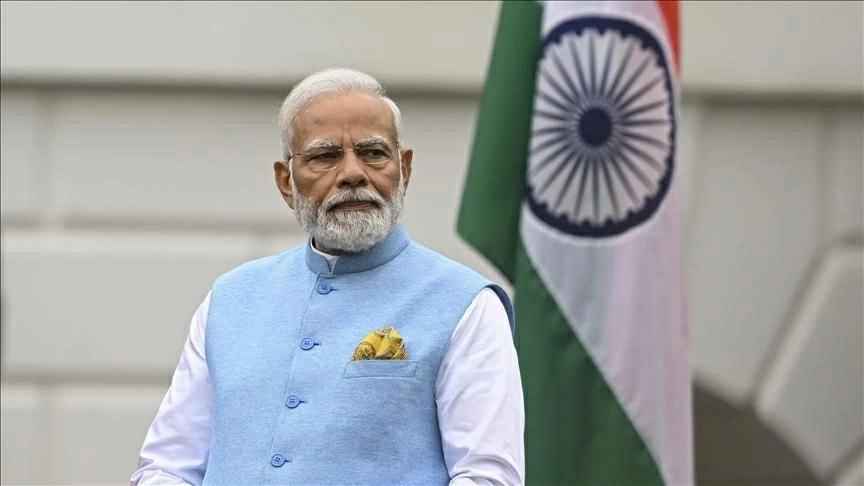
In a bid to tackle the economic challenges posed by soaring global energy prices, Indian Prime Minister Narendra Modi today urged citizens and businesses to conserve fuel. Modi emphasized the importance of returning to remote work, stating that this move would help reduce the consumption of gasoline and diesel.
Modi pointed out that returning to remote work and holding meetings online, which became popular during the peak of the COVID-19 pandemic, could benefit the Indian economy. He explained that the rise in global fuel prices necessitates effective measures from India to maintain its foreign exchange reserves.
Details of the Call to Action
Modi's call comes at a time when India is grappling with the repercussions of a sharp rise in energy prices, which has negatively impacted its foreign exchange reserves. He noted that fuel conservation is a necessary step under the current circumstances, as the government seeks to achieve economic stability.
In this context, Modi affirmed that businesses and citizens must collaborate in these efforts, indicating that remote work could alleviate pressure on energy resources. He also mentioned that these measures are not new, having been adopted during the pandemic, which proves their effectiveness.
Background & Context
India is currently facing an unprecedented energy crisis, with Fatih Birol, the head of the International Energy Agency, stating that the ongoing conflict between Iran, the United States, and Israel has exacerbated the situation. Birol explained that this crisis is considered the worst in history, highlighting its implications for global oil and gas markets.
These warnings come at a time when the region is experiencing political tensions affecting navigation through the Strait of Hormuz, a vital passage for transporting about one-fifth of the world's oil and liquefied natural gas supplies. Additionally, the Russian-Ukrainian war has contributed to the disruption of Russian gas supplies to Europe, complicating the situation further.
Impact & Consequences
These measures are expected to significantly impact the Indian economy, as the government aims to reduce reliance on imported fuel. Fuel conservation is seen as a strategic step to preserve foreign exchange reserves and enhance economic sustainability.
Moreover, this call may influence the behaviors of citizens and businesses, with more companies likely shifting towards remote work models. This could lead to changes in the daily lifestyle of many Indians, reflecting the broader impact of the crisis on society.
Regional Significance
Arab countries are also affected by the repercussions of rising energy prices, as many of these nations are major oil producers. Consequently, any changes in fuel consumption in India could impact global demand, reflecting on oil prices in international markets.
Furthermore, Arab nations may seek to bolster their renewable energy strategies to address future challenges. This situation underscores the importance of regional cooperation in confronting global economic crises.
In conclusion, Modi's call for fuel conservation and remote work reflects the challenges India faces amid global crises. These measures are expected to influence the Indian economy and citizen behaviors, necessitating collective efforts to address these challenges.