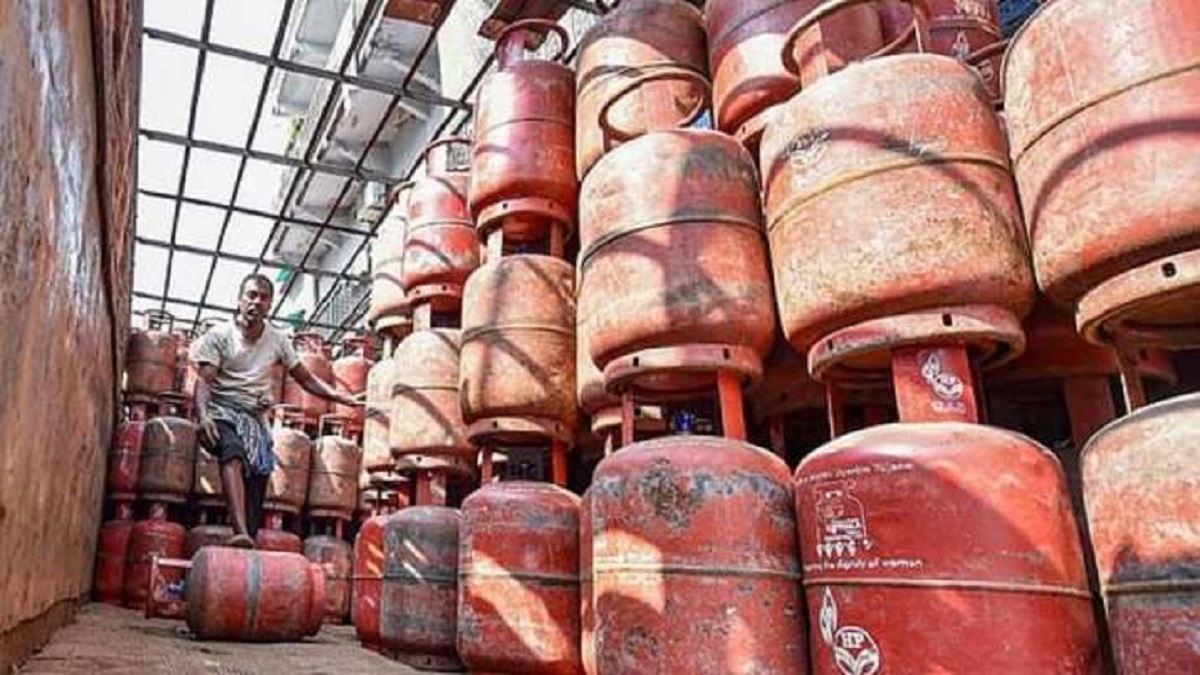
The Indian federal government has called on states to take effective measures to curb the illegal smuggling and monopolization of liquefied natural gas (LNG), as part of its efforts to address supply shortages. This request was made in an official letter from the Ministry of Petroleum and Natural Gas, emphasizing the need to enhance local communication strategies to prevent panic buying and monopolistic practices.
As India faces a shortage of LNG supplies, the ministry urged states to intensify their efforts in disseminating accurate information through social media and electronic platforms. It also highlighted the importance of remaining vigilant against any illegal practices that could exacerbate the crisis.
Details of the Situation
Reports indicate that the Indian government has sent notifications to all states, urging them to strengthen public communication strategies to ensure timely provision of accurate information. This move comes at a time when the country is experiencing a shortage of LNG supplies, leading to an unprecedented increase in demand, which has contributed to the rise of monopolistic behavior.
The ministry pointed out that ongoing tensions in the Middle East, particularly in the Strait of Hormuz, have affected maritime shipping, intensifying the crisis. This has led to widespread concern among citizens, prompting them to purchase large quantities of LNG, further worsening the situation.
Background & Context
Historically, India has heavily relied on imports to meet its LNG needs. With the increasing demand for energy, the country has become more susceptible to fluctuations in the global market. In recent years, geopolitical tensions in the Middle East have directly impacted energy supplies to India.
In recent years, the Indian government has attempted to diversify its energy sources and reduce reliance on imports, but ongoing challenges in the global market continue to pose significant obstacles. As domestic demand rises, urgent action is necessary to ensure supply stability.
Impact & Consequences
The LNG crisis in India serves as a wake-up call for the government, which must take swift and effective steps to avoid worsening the situation. Failure to control monopolistic and smuggling activities could lead to price increases, negatively impacting the local economy and increasing the suffering of citizens.
Moreover, the continued shortage of gas supplies could affect vital sectors such as industry and transportation, potentially leading to a slowdown in economic growth. Therefore, the government needs to enhance cooperation with states to ensure effective policy implementation.
Regional Significance
The Middle East is a key center for gas and oil production and export, and any tensions in this region directly affect global markets. Crises in the Middle East, such as armed conflicts or economic sanctions, can lead to fluctuations in energy prices, impacting importing countries like India.
Additionally, any shortage of gas supplies to India may create opportunities for Arab countries to strengthen their trade partnerships with India, potentially leading to increased investments and cooperation in energy sectors.
In conclusion, the current situation in India requires a rapid and effective response from the government and states to ensure the stability of LNG supplies. Enhancing communication and transparency in information will play a significant role in reducing panic among citizens and ensuring market stability.