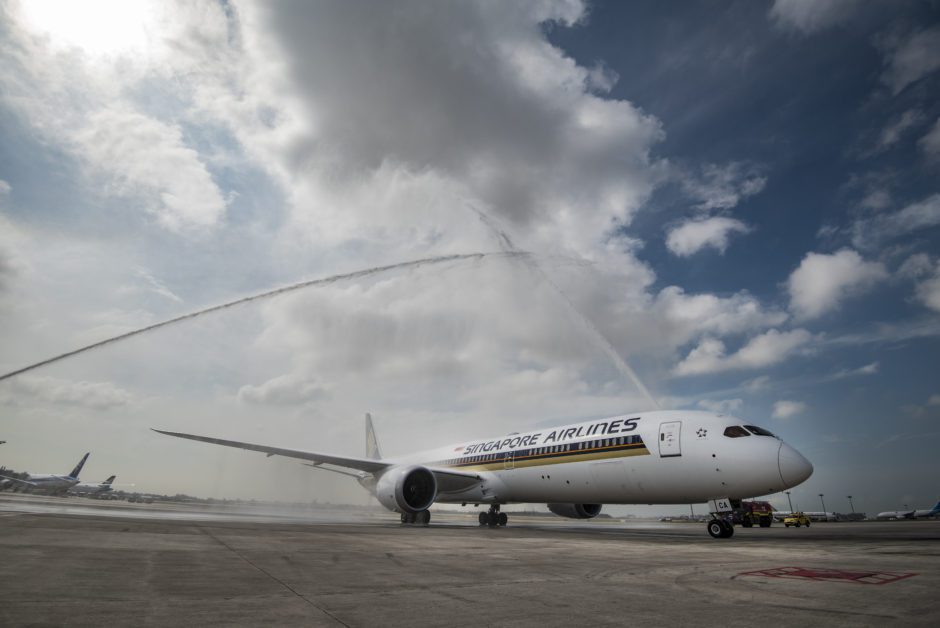
Indian Airlines is facing significant challenges as it reports losses surpassing $2.4 billion in the last fiscal year, leading it to seek financial support from its key partners, Tata Group and Singapore Airlines. This situation arises at a time when the Indian aviation sector is under increasing pressure, raising questions about the future of the airline.
The CEO of Singapore Airlines, Goh Choon Phong, stated that the company is aware of the challenges surrounding its long-term investment in Indian Airlines, but the current situation appears more complex than anticipated. Tata Group holds 74.9% of Indian Airlines' shares, while Singapore Airlines owns 25.1%, following its merger with Vistara in 2024.
Details of the Situation
As part of the deal, Singapore Airlines initially injected S$360 million and provided its shares in Vistara. The company also committed to providing up to S$880 million more, which may be necessary for fleet modernization and increasing operational capacity in the coming years. However, this figure could rise significantly due to the existential challenges faced by Indian Airlines.
Since its privatization in 2022, Indian Airlines has encountered numerous difficulties. There have been multiple complaints regarding service quality, efficiency, and punctuality. These pressures intensified following the crash of flight AI 171 bound for London just minutes after takeoff from Ahmedabad last June, leading to increased public scrutiny of the airline's operations.
Background & Context
Historically, Indian Airlines has faced several challenges, including delays in fleet renewal due to supply chain issues with American and European aircraft manufacturers. Additionally, the closure of Pakistani airspace to Indian aircraft since April 2025 has significantly impacted flight routes and operational costs.
Moreover, the ongoing war in the Middle East has led to a 105% increase in jet fuel prices compared to last year's average, further exacerbating the financial pressures on Indian Airlines. With the resignation of CEO Campbell Wilson this year, concerns about the airline's future are mounting.
Impact & Consequences
If Singapore Airlines decides to provide financial support to Indian Airlines, it may need to persuade shareholders that this investment will be worthwhile. There are concerns that any funds invested in Indian Airlines could negatively impact dividend distributions for Singapore Airlines shareholders, meaning less money available for fleet upgrades or new investments.
Research from DBS Group indicates that Singapore Airlines' ability to distribute dividends could be adversely affected if more funds are injected into Indian Airlines. Additionally, the weak pricing power of Indian Airlines suggests that it may struggle to raise fares without losing market share, increasing the risks of ongoing losses.
Regional Significance
Indian Airlines is a key player in the aviation market, particularly in the Middle East region. With a large number of Indian expatriates in Gulf countries, any deterioration in the status of Indian Airlines could affect travel flows between India and Arab countries. Furthermore, any changes in fuel prices or operational costs could impact air ticket prices in the region.
In conclusion, despite the significant challenges facing Indian Airlines, the Indian market still holds substantial growth potential. If Singapore Airlines can manage its investments wisely, it may be able to capitalize on future opportunities in this growing market.