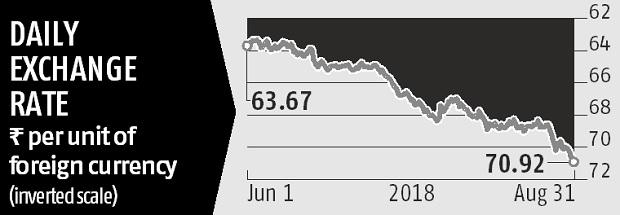
The Indian central bank has announced bold actions to address the challenges facing the Indian rupee, which has recorded a notable decline in its value. This step comes at a crucial time as the Indian economy is under increasing pressure due to fluctuations in global markets.
Although these measures have provided a brief period of stability, markets are now watching closely for what the central bank may do next to tackle ongoing challenges.
Details of the Measures Taken
The central bank reported that it has taken effective steps to limit speculation against the rupee, reflecting its concern over the negative impacts that may arise from the currency's decline. These steps include increasing interventions in the foreign exchange market, which underscores the bank's commitment to supporting the rupee.
These measures come amid rising pressures on the rupee, which has recently hit its lowest historical levels. This decline reflects investor concerns regarding economic stability in India, leading to increased speculation against the currency.
Background & Context
Historically, the Indian rupee has experienced significant fluctuations, especially during global economic crises. Over the past few years, India has faced multiple challenges, including high inflation, economic recession, and geopolitical tensions. These combined factors have led to a decline in investor confidence in the rupee.
In recent years, the Indian central bank has taken several steps to enhance currency stability, including adjusting interest rates and implementing flexible monetary policies. However, the current challenges require a swift and effective response to ensure the rupee's stability.
Impact & Consequences
The consequences of the rupee's decline are severe for the Indian economy, negatively affecting import costs and increasing inflationary pressures. Additionally, the currency's depreciation may impact foreign investments, potentially leading to a slowdown in economic growth.
Moreover, the rupee's decline could affect citizens' purchasing power, increasing social pressures. Therefore, the central bank's response is critical to ensuring economic stability and achieving sustainable growth.
Regional Significance
India is one of the largest trading partners for many Arab countries, and fluctuations in the rupee directly impact trade and investments between the two sides. The rupee's decline could lead to increased import costs from India, affecting prices in Arab markets.
Furthermore, the rupee's depreciation may impact remittances from Indian workers in Arab countries, which could affect local economies. Thus, monitoring developments in the Indian rupee is crucial for Arab nations to ensure the stability of their markets.