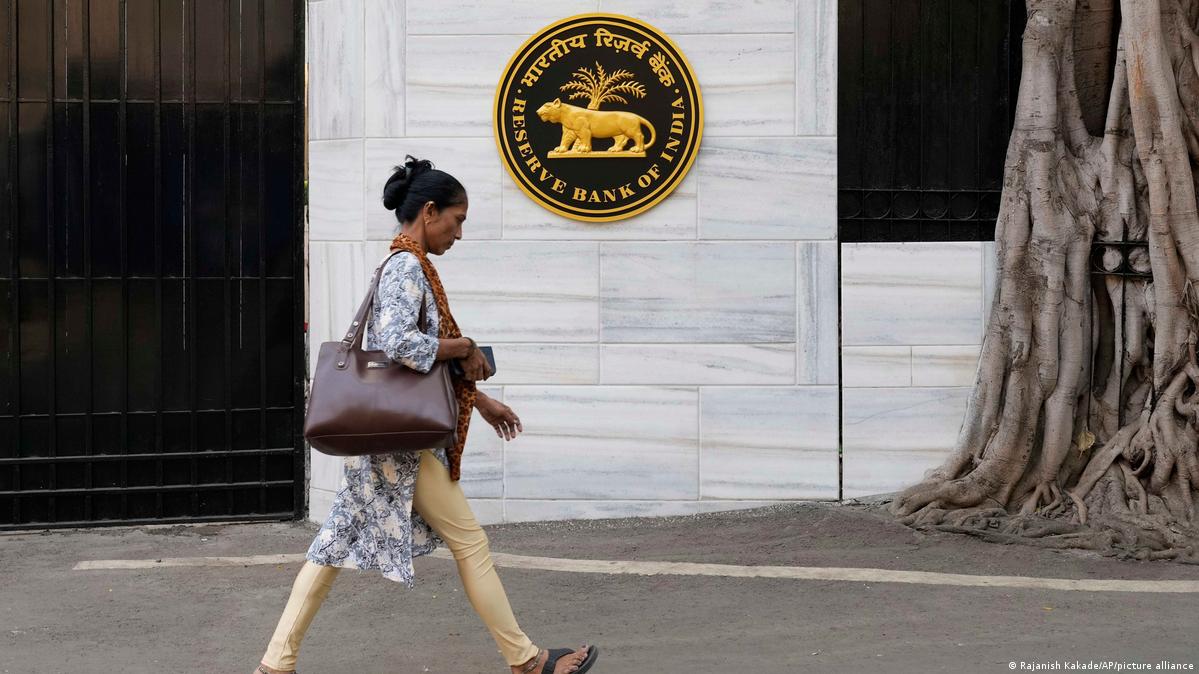
The Indian central bank has issued warnings that inflationary pressures may rise due to the ongoing conflict in Iran. This comes at a critical time for the Indian economy, which is facing multiple challenges, including rising commodity prices and disruptions in global markets.
Reports indicate that the conflict in Iran could exacerbate supply chain crises, leading to increased prices for oil and gas, which directly impacts production and transportation costs in India. The bank noted that these factors could lead to higher inflation rates in the country, placing additional pressure on Indian households.
Details of the Situation
In an official statement, the Indian central bank confirmed that the continuation of the conflict in Iran could worsen economic conditions in India. Iran is one of the largest oil producers in the world, and any disruption in its production or exports can significantly affect global prices.
The bank also pointed out that India heavily relies on oil imports, making it vulnerable to price fluctuations. It added that inflation could exceed targeted levels if these pressures persist, necessitating precautionary measures from monetary authorities.
Background & Context
Historically, India has experienced economic fluctuations due to geopolitical crises. In recent years, several crises in the Middle East have impacted oil prices, leading to increased inflation rates in India. In this context, the conflict in Iran is considered a key factor that could affect economic stability in the country.
It is worth noting that India has previously taken steps to address inflation, including raising interest rates. However, the current situation requires a swift and effective response to ensure national economic stability.
Impact & Consequences
If inflationary pressures continue, they could lead to increased living costs for citizens, affecting the purchasing power of households. Additionally, rising prices may impact investments and economic growth, as investors may hesitate to inject funds into an unstable environment.
Moreover, high inflation rates may compel the central bank to adopt more stringent measures, such as raising interest rates, which could slow down economic growth. This presents an additional challenge for the Indian government amid the current economic conditions.
Regional Significance
The Arab region is one of the most affected areas by geopolitical crises, as the conflict in Iran could influence oil prices, reflecting on the economies of Arab countries. If oil prices rise, some producing nations may benefit, but conversely, importing countries will face additional challenges in managing energy costs.
Ultimately, the current situation requires coordination between Arab nations and India to ensure market stability and alleviate inflationary pressures. Cooperation in energy and trade sectors could have a positive impact on all parties involved.