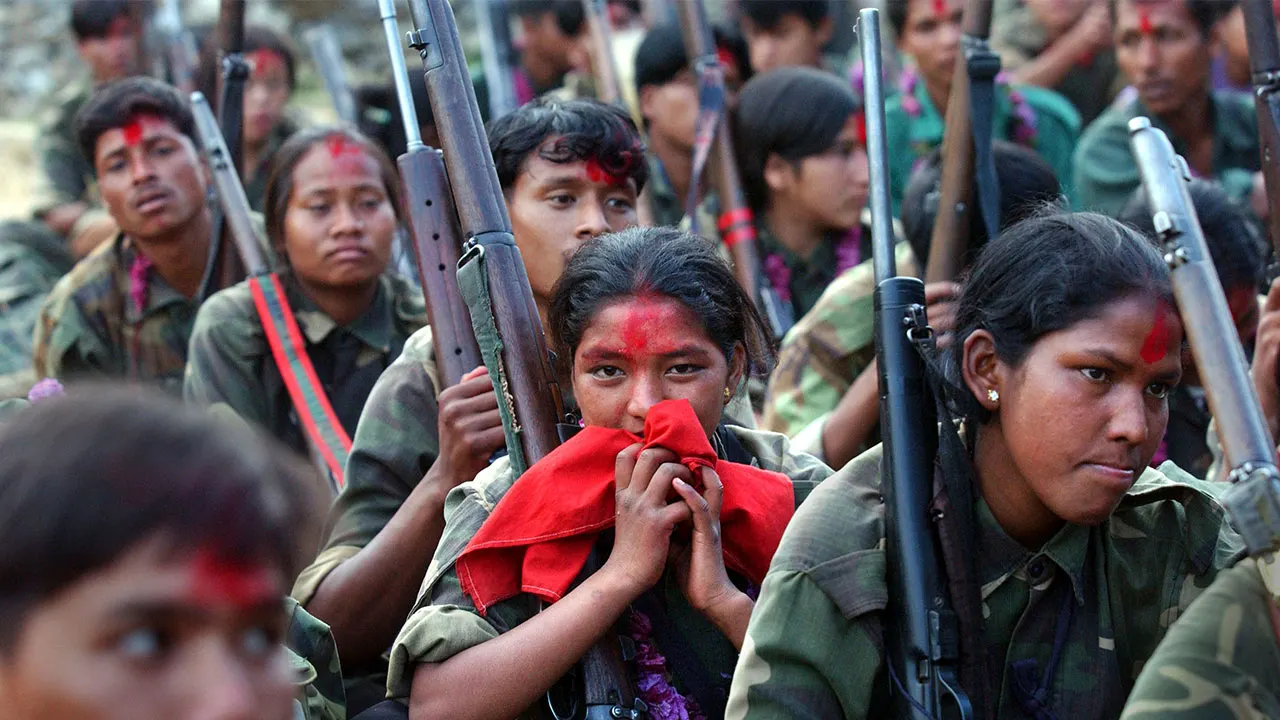
The Indian police in the state of Telangana announced last Saturday the surrender of 47 Maoist rebels, reflecting the success of the security campaign launched by the government against the remnants of the Naxalite insurgency. This surrender comes less than a month after Indian Home Minister Amit Shah declared that the country is now free from this decades-long rebellion.
The police confirmed that these rebels chose to "join the mainstream," noting that "most of the remaining key leaders in the shadows have now been neutralized." This development marks a significant decline in the influence of the rebels, who had posed a security threat across vast areas of the country.
Details of the Surrender
Historically, the Naxalite insurgency began in 1967 in the village of Naxalbari in the foothills of the Himalayas, where a group of villagers revolted against landlords. Since then, the conflict has expanded to encompass large regions of India, resulting in over 12,000 deaths, including rebels, civilians, and armed forces personnel. At its peak, the insurgency boasted between 15,000 and 20,000 fighters, but government campaigns in recent years have significantly reduced these numbers.
The Indian police have urged remaining rebels to surrender their weapons and reintegrate into civil society, where vocational training and rehabilitation programs are offered to defectors. Those who surrender will receive financial compensation of up to $159,000, or approximately $3,400 each.
Background & Context
Over the decades, Maoist rebels have claimed to fight for the rights of marginalized indigenous populations in mineral-rich forests in central India. However, the Indian government has taken serious steps to undermine this insurgency, including improving economic conditions in affected areas.
In recent years, the government has implemented multiple strategies, including enhancing economic and social development in impacted regions, which has contributed to a decrease in popular support for the rebels. Security operations against them have also intensified, leading to the neutralization of many key leaders.
Impact & Consequences
This development could have positive implications for security in India, potentially leading to greater stability in areas that have suffered from conflict. The surrender of the rebels may encourage others to take similar steps, contributing to a definitive end to the insurgency.
However, challenges remain, as there is still a risk from landmines planted by the rebels along forest paths. Significant efforts from authorities are required to secure these areas and ensure the safety of local populations.
Regional Significance
Although the conflict in India may seem distant from the Arab region, issues related to armed conflicts and human rights remain relevant. India's experiences in addressing armed conflicts through economic development and rehabilitation could serve as a model for other regions suffering from similar disputes.
In conclusion, the surrender of 47 Maoist rebels represents an important step towards achieving peace and stability in India, reflecting the government's ongoing efforts to address the roots of the conflict and provide new opportunities for defectors.