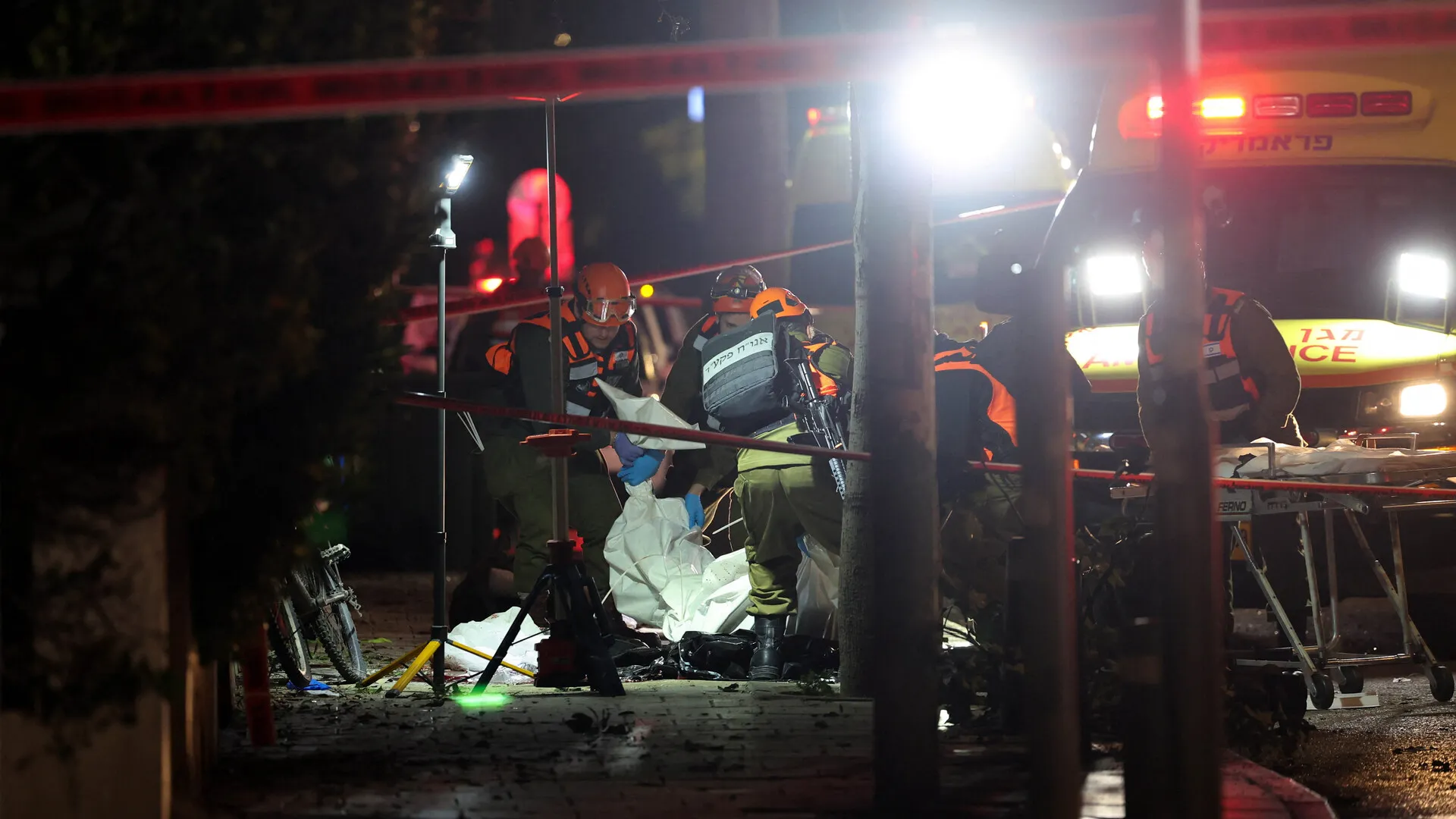
Indian journalist Prij Mohan Singh Ragunshi, editor-in-chief of Sadhana Media, underwent severe pressure and intensive questioning from Israeli authorities following the release of a video in which he discusses the "fragility" of Israeli shelters. In an exclusive interview with Al Jazeera, Ragunshi confirmed that he experienced "extremely intense" questioning, noting that he received calls from various entities, including the Israeli embassy in New Delhi, which warned him about the "facts that should be adhered to."
Ragunshi visited Israel on February 24 to cover the visit of Indian Prime Minister Narendra Modi. Upon his return, he published a video stating that "Iranian missiles sometimes hit their targets without triggering alarms, resulting in civilian casualties inside shelters," which provoked the ire of Tel Aviv, which has imposed strict censorship on such narratives.
Details of the Incident
In his remarks, Ragunshi appeared to retract some of what he stated in the video, indicating that he was affected by the lengthy interrogations he underwent. He said, "What I mentioned earlier was based on my personal assessment," explaining that the area he was in had experienced two attacks that caused massive destruction and fires, but he added, "I did not see bodies at the two sites, and it is very difficult to determine the actual extent of the damage."
Ragunshi refrained from recounting the details he mentioned in the video, justifying his change in tone by stating that he had not received "official confirmations." He pointed to the difficulties he faced due to the absence of briefing centers for international media in Tel Aviv, saying, "There were no briefings provided to foreign press, and local Israeli channels were the only source of information available to us."
Context and Background
These events occur at a sensitive time when the region is witnessing escalating tensions, particularly with ongoing Iranian attacks on Israel. The media is considered an essential part of any conflict, as each side seeks to present its own narrative. In this context, Israeli authorities impose strict censorship on information related to casualties, raising questions about the transparency of their dealings with the media.
Historically, Israel has seen pressure on journalists, especially those covering sensitive topics related to national security. This pressure increases during times of crisis, making it challenging for journalists to provide objective and comprehensive coverage.
Consequences and Impact
Ragunshi's statements raise questions about the extent of press freedom in Israel, as many believe that the restrictions imposed on foreign journalism, along with Israeli military censorship, make it difficult to form a true picture of the scale of human and material losses. These restrictions affect journalists' ability to fulfill their duty of conveying the facts, negatively impacting transparency and credibility.
Moreover, the pressures faced by journalists may lead to a decline in the quality of media coverage, contributing to the reinforcement of official narratives at the expense of on-ground realities. Under these circumstances, it becomes essential for the international community to closely monitor the situation and advocate for improved working conditions for journalists in tense regions.
Impact on the Arab Region
These events directly affect the Arab region, where the Palestinian issue and the Israeli-Palestinian conflict remain at the heart of Arab concern. Accurate and objective information about the situation in Israel and Palestine is crucial for understanding regional dynamics. Additionally, the pressures on journalists may exacerbate humanitarian conditions in the occupied territories, necessitating international action to support press freedom.
In conclusion, this issue highlights the importance of media freedom as a fundamental pillar of democracy and human rights. There must be strong support for journalists worldwide, especially in conflict zones, to ensure the truthful transmission of facts and the objective documentation of events.