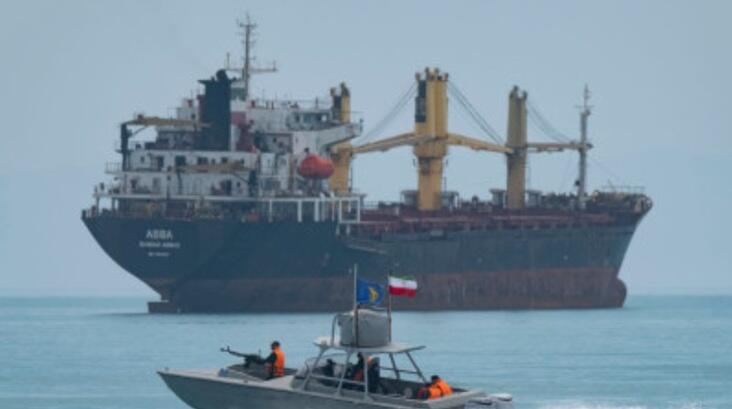
The Indian government announced that the liquefied gas tanker Green Sanvi, flying the Indian flag, successfully crossed the Strait of Hormuz, one of the most important waterways in the world. This announcement was made on Saturday, April 4, amid heightened tensions in the region following military strikes by the United States and Israel, which have significantly disrupted maritime traffic.
The tanker Green Sanvi was carrying a shipment estimated at 46,650 metric tons of liquefied gas, with 25 crew members on board. Although its final destination has not been disclosed, this operation represents a significant success for India, which is the second-largest importer of liquefied gas in the world.
Details of the Event
Despite the escalating tensions in the region, India has managed to secure the passage of several vessels flying the Indian flag through the Strait of Hormuz over the past three weeks. The Indian Ministry of Shipping confirmed that 17 Indian vessels remain in the western Persian Gulf, with 460 Indian sailors aboard. This move reflects India's efforts to maintain vital gas supplies at a time when the country is experiencing a gas shortage.
It is noteworthy that India imports about 60% of its liquefied gas needs, and the government has imposed strict restrictions on natural gas and cooking gas supplies due to disruptions in imports, prioritizing the needs of households.
Background & Context
The Strait of Hormuz is a strategic waterway connecting the Arabian Gulf to the Gulf of Oman and is considered one of the most important maritime routes for transporting oil and natural gas to global markets. In recent years, the region has witnessed increasing tensions due to regional conflicts, including the dispute between Iran and Israel, which has affected maritime navigation.
Historically, India and Iran have enjoyed strong relations, with India heavily relying on Iranian energy imports. However, India has also expanded its cooperation with Israel in defense, agriculture, and technology, reflecting its balanced approach to foreign policy.
Impact & Consequences
The crossing of the Indian tanker through the Strait of Hormuz serves as an indicator of India's ability to secure energy supplies under challenging circumstances. This success may bolster India's position in the global gas market and also reflects its strategy in dealing with regional tensions.
Moreover, the continued maritime traffic through the Strait of Hormuz could have a positive impact on global gas prices, as any disruption in supplies could lead to significant price increases.
Regional Significance
The Arab world plays a significant role in the global energy market, with Gulf countries being among the largest exporters of oil and gas. The stability of maritime traffic through the Strait of Hormuz has a direct impact on the Arab economy, as any tensions could affect energy supplies and lead to price fluctuations.
In conclusion, the crossing of the Indian tanker through the Strait of Hormuz represents an important step in securing energy supplies for India and reflects the challenges faced by countries in the region amid tense political conditions. Arab nations must remain vigilant regarding these developments and work to enhance regional stability to ensure the continued flow of energy.