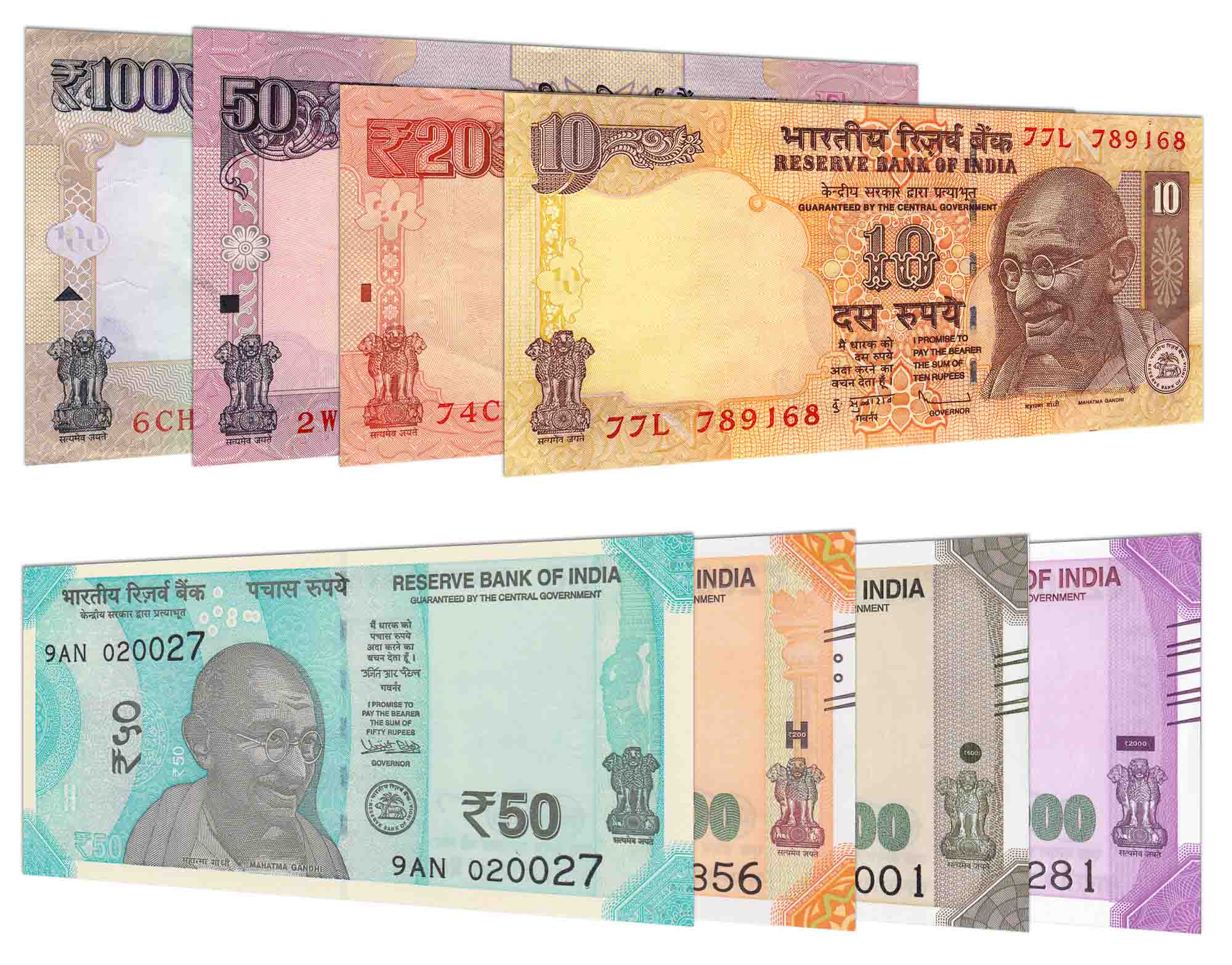
The Indian rupee is facing increasing pressure amid declining capital flows, rising fuel prices, and global economic uncertainty. In an interview with Haslinda Amin, Neeraj Gambhir, the CEO of Axis Bank, addressed the possibility of the dollar reaching 100 rupees and how the Reserve Bank of India might respond to these changes.
These statements come at a sensitive time for the Indian economy, which is grappling with multiple challenges affecting the stability of its currency. The rise in global oil prices, a key factor impacting the Indian economy, adds further pressure on the rupee, making it susceptible to fluctuations.
Details of the Situation
Concerns are growing that the rupee may head towards a new record level of 100 rupees against the dollar, which could have serious implications for the Indian economy. Gambhir pointed out that weak capital flows, influenced by global market volatility, could exacerbate the situation. Additionally, rising fuel prices increase production costs, negatively impacting both businesses and consumers.
In light of these circumstances, the Reserve Bank of India must take decisive action to maintain the stability of the rupee. This may involve intervening in the foreign exchange market or adjusting interest rates. However, such measures could have side effects on economic growth, complicating the situation further.
Background & Context
Historically, the Indian rupee has experienced significant volatility, affected by both domestic and global factors. Over the past few years, there have been numerous attempts by the Indian government and the Reserve Bank of India to strengthen the currency, but global economic challenges have always posed obstacles to achieving stability.
In recent years, India has witnessed notable economic growth, but this growth has come with significant challenges, such as rising inflation and unemployment rates. Additionally, geopolitical tensions in the region, such as border disputes with China, may also affect investor confidence in the Indian economy.
Impact & Consequences
If the rupee continues to decline, it could lead to increased import costs, negatively impacting local prices and raising inflation rates. Furthermore, a depreciating currency may affect foreign investments, as investors might hesitate to inject their funds into an unstable market.
On the other hand, exporters may benefit from the rupee's depreciation, as it could make Indian products more competitive in global markets. However, the potential benefits for exporters may not offset the damage inflicted on the economy as a whole.
Regional Significance
India is one of the largest trading partners of Arab countries, importing many products from the region, including oil. Therefore, a declining rupee could impact trade between India and Arab nations, potentially leading to increased costs for Arab imports to India.
Moreover, any downturn in the Indian economy could affect Arab investments in India, as India is a primary destination for Arab investments across various sectors, including technology and infrastructure.
In conclusion, the Indian rupee remains under increasing pressure, necessitating close monitoring by investors and policymakers. Under these circumstances, it will be crucial to observe how the Reserve Bank of India responds to current challenges and how this response will affect the Indian economy and trade relations with Arab countries.