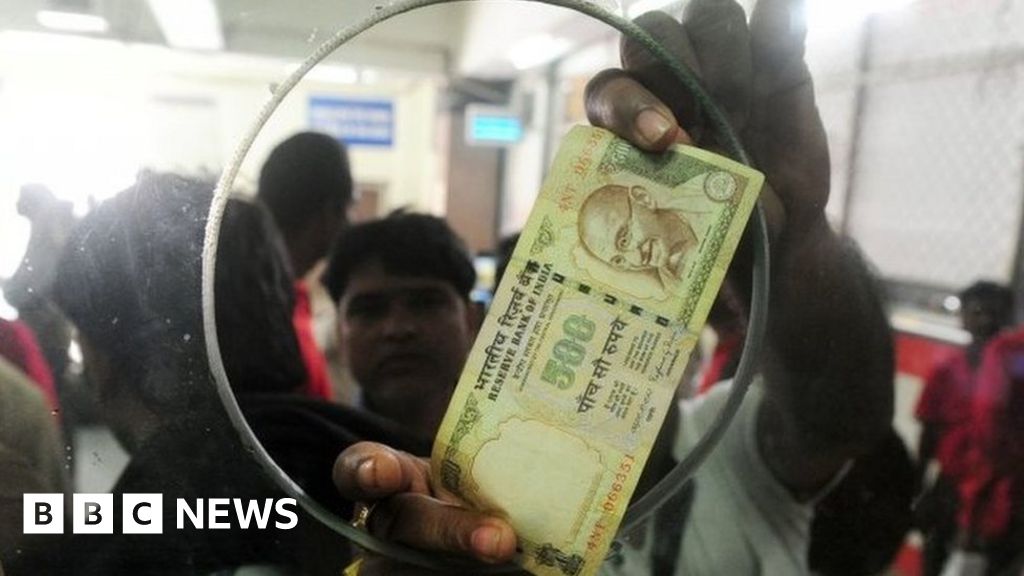
The Indian rupee has seen an unprecedented leap, recording its highest increase in over 12 years, amid stringent measures taken by the Reserve Bank of India against foreign currency betting. This move comes at a time when the daily betting market exceeds $149 billion, reflecting the importance of the central bank's actions to protect the national currency.
The Indian government aims to reduce pressure on the rupee and enhance its stability in global markets through these measures. The Reserve Bank of India has focused on restricting access to foreign markets typically used for betting against the rupee, which has contributed to boosting investor confidence in the Indian currency.
Details of the Event
Recently, the Reserve Bank of India has taken decisive steps to reduce foreign betting that negatively impacts the rupee. These measures include restricting access to markets that provide investors with the opportunity to bet against the currency, leading to increased demand for the rupee and a significant rise in its value. Data has shown that the rupee rose by 2.5% in a single day, marking a historic increase.
This surge comes at a time when the Indian economy faces multiple challenges, including inflation and global economic pressures. However, the actions taken by the central bank indicate the government's commitment to achieving financial stability and promoting economic growth.
Background & Context
Historically, the Indian rupee has been susceptible to fluctuations due to economic and political factors. In recent years, the currency has experienced sharp declines as a result of foreign betting and economic pressures. This has prompted the government to take multiple steps to enhance currency stability, including adjusting monetary policies and increasing foreign reserves.
The Indian rupee is considered one of the most traded currencies in emerging markets and has a significant impact on the Indian economy. However, foreign betting has posed a substantial threat to the currency's stability, prompting the central bank to implement strict measures to address these challenges.
Impact & Consequences
The measures taken by the Reserve Bank of India are seen as a positive step towards enhancing the rupee's stability and may lead to increased confidence in the Indian economy. These steps are expected to impact global financial markets, potentially encouraging investors to return to the Indian market.
Furthermore, the stability of the rupee could lead to improved economic conditions in India, contributing to attracting foreign investments and increasing economic growth. Additionally, these measures may help reduce inflationary pressures, enhancing the government's ability to achieve its economic objectives.
Regional Significance
India is one of the largest trading partners of Arab countries, with the Indian rupee playing a crucial role in trade between India and Arab nations. The stability of the rupee can contribute to strengthening trade relations between both sides, benefiting Arab economies.
Moreover, the strengthening of the rupee may lead to increased Arab investments in India, contributing to sustainable development in the region. Thus, the measures taken by the Reserve Bank of India are not only significant for India but also have potential positive impacts on the Arab economy.