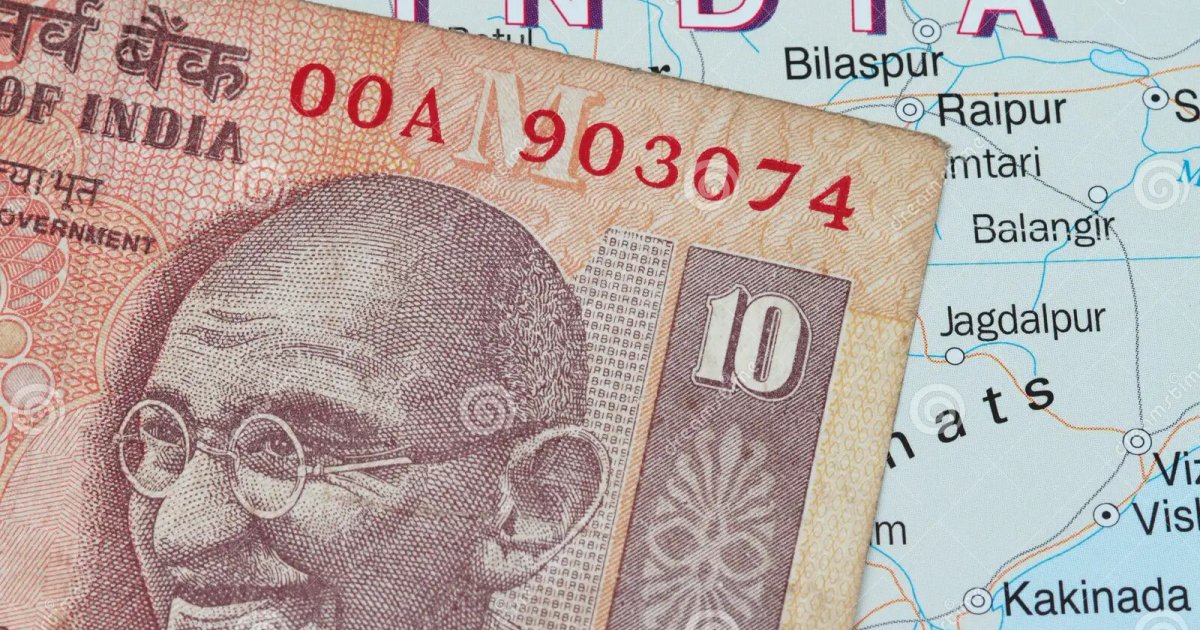
The Indian rupee has experienced a notable recovery, the strongest since February, following bold actions taken by the Reserve Bank of India to address speculation on the local currency. These steps are considered the most significant in over a decade, as the government seeks to enhance currency stability and improve investor confidence.
In a surprising move, the Reserve Bank of India announced a series of measures aimed at curbing the speculation that has affected the rupee recently. These measures include increased interventions in the foreign exchange market, which have contributed to supporting the rupee and improving its value against other currencies.
Details of the Measures
These actions come at a critical time for the Indian economy, which faces multiple challenges, including rising oil prices and inflation. The rupee has seen a marked decline in recent times, raising concerns among investors and analysts about the future of the Indian economy. However, the recent interventions by the central bank may reflect the government's desire to regain control over the financial situation.
The Reserve Bank of India, known as the "RBI," has increased its foreign currency reserves, which has helped bolster the rupee. These steps indicate the government's commitment to achieving long-term economic stability, highlighting the importance of the rupee in international trade.
Background & Context
Historically, the Indian rupee has suffered from significant fluctuations, especially during global economic crises. In recent years, India has witnessed remarkable economic growth, but external pressures such as rising oil prices and geopolitical crises have negatively impacted the local currency. Therefore, the recent actions by the central bank are part of ongoing efforts to improve the financial situation.
Additionally, the rupee plays a vital role in regional and international trade, being one of the most traded currencies in Asia. Hence, the stability of the rupee has direct implications for the Indian economy and its trade relations with other countries.
Impact & Consequences
Analysts expect these measures to improve the economic situation in India in the short term. Strengthening the rupee could attract more foreign investments, thereby boosting economic growth. Furthermore, currency stability may help reduce inflation, benefiting consumers.
However, the biggest challenge remains how to maintain this stability amid global economic changes. Rising oil prices or any new financial crisis could negatively affect the rupee, necessitating continued monitoring and proactive measures by the central bank.
Regional Significance
India is one of the largest trading partners of Arab countries, with many Arab nations relying on imports from India. Therefore, the stability of the Indian rupee could positively impact trade between India and Arab nations. Additionally, many Indian workers are employed in Gulf countries, making the stability of the rupee crucial for those working there.
Moreover, any improvement in the Indian economy could enhance economic cooperation between India and Arab countries, opening new avenues for investment and trade.
In conclusion, the Indian rupee remains under scrutiny, as recent measures indicate the government's desire to achieve economic stability. However, challenges persist, requiring the central bank to take proactive steps to maintain this stability.