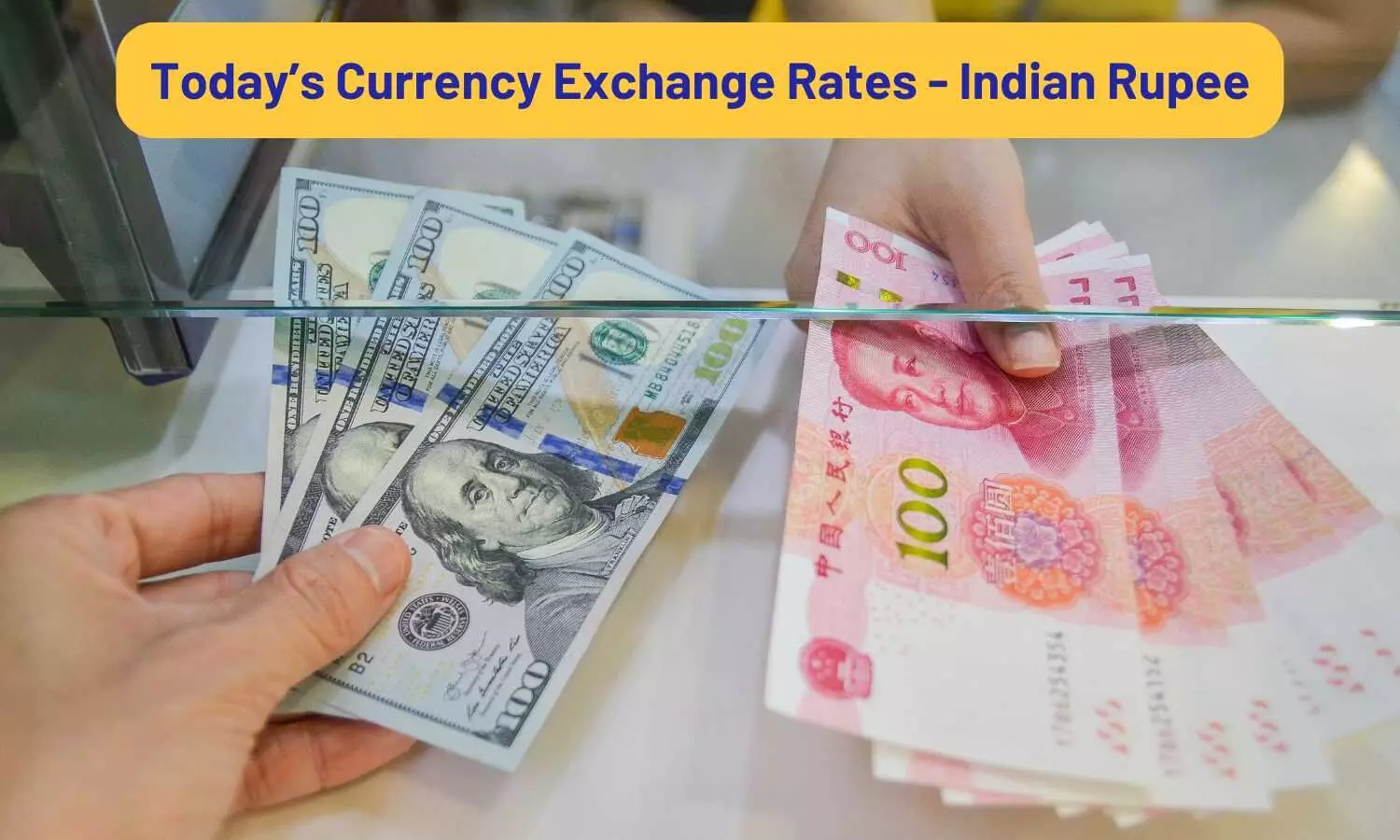
The Indian rupee has seen a remarkable rise, achieving its largest gain since February after the Reserve Bank of India (RBI) took steps aimed at reducing speculation in the currency market. This decision prompted a substantial rush from banks to sell dollars, contributing to the strengthening of the local currency.
In an unexpected move, the RBI announced new limits on speculative trading, which elicited swift reactions in the market. These measures came at a time when the rupee was under severe pressure, having reached its historical lows against the US dollar.
Details of the Event
According to reports, the Indian rupee rose by as much as 1.5%, reflecting the market's quick response to the actions taken by the central bank. This increase follows a period of sharp decline in the rupee's value, which had been suffering from significant weakness due to various economic factors, including rising oil prices and inflation.
The RBI, known for its proactive stance, issued new directives aimed at curbing speculation in the foreign exchange market, leading to increased dollar sales by banks. This move helped restore some confidence in the local currency, which had lost much of its value in recent months.
Background & Context
Historically, the Indian rupee has experienced significant fluctuations in its value, directly influenced by global and domestic economic events. Over the years, the RBI has implemented numerous measures to stabilize the currency, but challenges have always persisted. In recent years, the rise in oil prices has increased pressure on the rupee, making it susceptible to volatility.
The RBI is considered one of the most active central banks in the world, consistently striving to balance economic growth with currency stability. However, the challenges facing India amid the current global economic conditions require new and innovative strategies.
Impact & Consequences
The sudden rise in the rupee's value could have positive effects on the Indian economy as a whole. This improvement is expected to help reduce the cost of imports, particularly oil, which may contribute to lowering inflation. Additionally, currency stability could enhance the confidence of both domestic and foreign investors in the Indian market.
However, caution is warranted as this increase may be temporary, especially if global economic pressures persist. Therefore, the government and the central bank must work together to ensure the sustainability of this improvement.
Regional Significance
India is one of the largest trading partners for many Arab countries, particularly in the oil and gas sectors. Therefore, any changes in the value of the rupee could directly impact trade relations between India and Arab nations. An increase in the rupee's value could lead to reduced import costs from India, benefiting consumers in Arab countries.
At the same time, Arab nations must closely monitor developments in the Indian market, as any fluctuations in the rupee could affect their investments in India. Thus, economic cooperation between India and Arab countries may require new strategies to adapt to these changes.