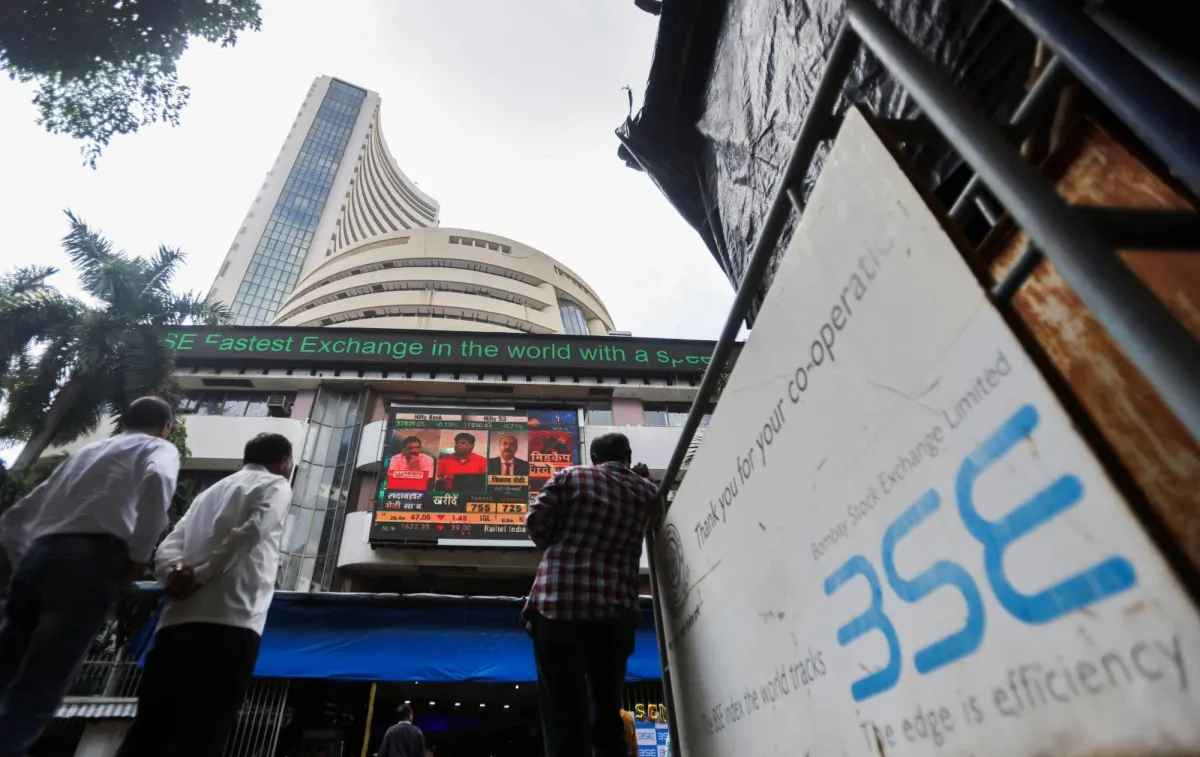
Indian stocks fell on Monday, continuing a trend of weakness that has gripped the market for six consecutive weeks, amid rising fears of a potential escalation in the conflict in the Middle East. This decline comes despite positive indicators from strong corporate earnings.
The Nifty 50 index dropped by 0.47% to 22,606.1 points, while the Sensex fell by 0.59% to 72,886.6 points by 9:48 AM IST. 11 out of 16 major sectors reported negative performance, with small-cap stocks declining by 0.3%, while mid-cap stocks remained stable.
Event Details
These developments come at a time when Brent crude prices have risen to around $110 per barrel, coinciding with mixed performances across Asian markets. U.S. President Donald Trump has warned Iran against reopening the Strait of Hormuz, a vital artery for about one-fifth of global energy supplies, increasing pressure on the markets.
Despite these pressures, some analysts see selective investment opportunities in the market, particularly in the information technology and banking sectors. Vijaya Kumar, Chief Investment Strategist at Geojit, noted that these sectors could benefit from attractive valuations and positive earnings forecasts.
Background & Context
Historically, Indian markets have experienced significant volatility due to geopolitical events, as any escalation in the Middle East directly impacts oil prices and, consequently, the Indian economy. India heavily relies on energy imports, making it sensitive to any changes in the global market.
In recent years, India has seen notable growth in the information technology sector, contributing to the strengthening of the national economy. However, the current geopolitical tensions may adversely affect this growth, necessitating caution among investors.
Impact & Consequences
The current tensions could lead to greater volatility in Indian markets, as any escalation in the conflict may result in rising oil prices, affecting the cost of living and the economy overall. Additionally, declining market confidence may prompt investors to adopt more cautious decision-making.
Furthermore, ongoing pressure on the Indian rupee could impact citizens' purchasing power, increasing economic strain on the government. Therefore, monitoring developments in the Middle East will be essential for understanding future trends in the Indian market.
Regional Significance
Events in India hold particular importance for the Arab region, as any escalation in the conflict could affect oil prices, reflecting on the economies of oil-producing countries. India is one of the largest oil importers from Arab nations, making it an important economic partner.
Under these circumstances, Arab countries must closely follow developments in India, as any changes in the Indian market could influence their economic and trade strategies.
In conclusion, amid rising geopolitical tensions, Indian markets remain under continuous pressure, necessitating caution from investors. However, opportunities may arise in certain sectors, warranting careful consideration before making any investment decisions.