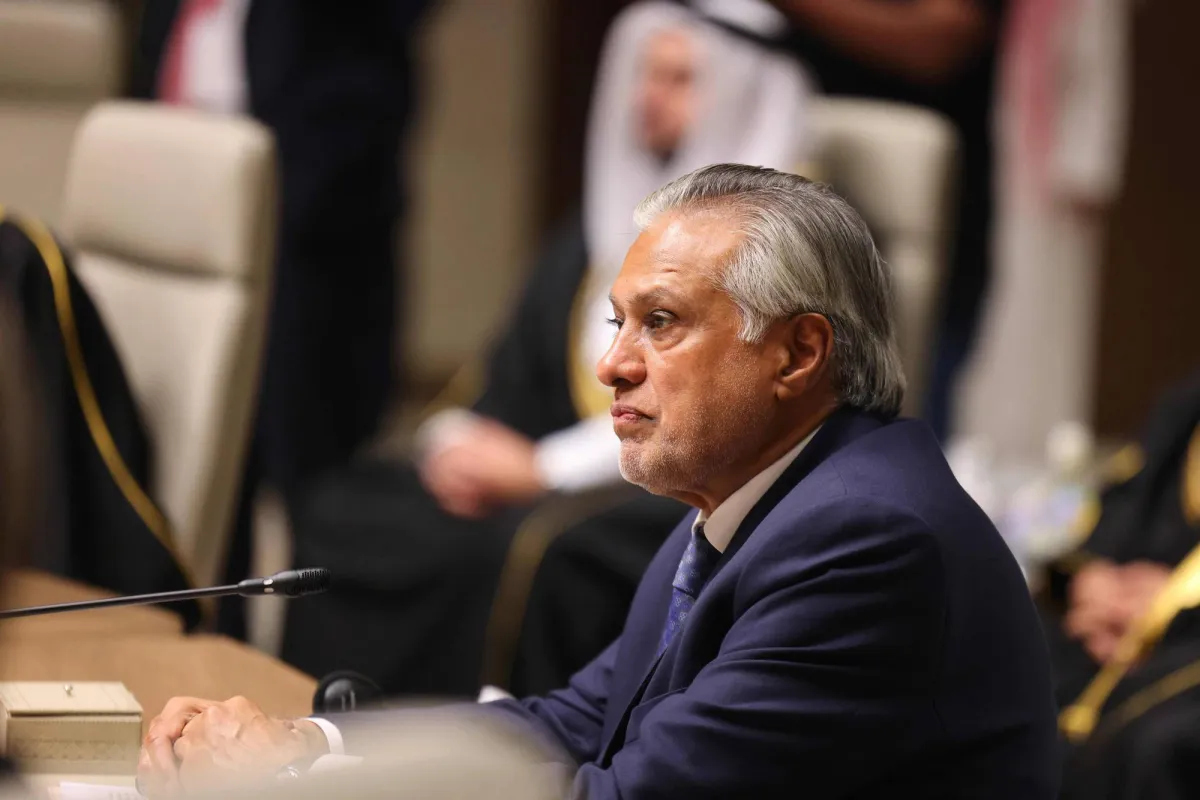
Pakistani Foreign Minister Ishaq Dar announced today (Thursday) that indirect negotiations are taking place between the United States and Iran aimed at ending the ongoing war. Dar confirmed that Pakistan is acting as a mediator in these talks, with messages being relayed between the two parties through Pakistani channels.
In his statements, Dar described speculation about "peace talks" as "unnecessary," noting that the United States has presented 15 points currently under discussion by Iran. He also mentioned that brotherly countries like Turkey and Egypt are also providing support for this initiative.
Details of the Event
These developments come at a time when the region is witnessing increasing military escalation, as China called today (Thursday) for intensified international efforts to halt military escalation and create conditions for peace talks. The spokesperson for the Chinese Foreign Ministry, Lin Jian, emphasized the need to work towards a common goal of creating conditions for serious and sincere peace negotiations.
The spokesperson for the Chinese Ministry of Defense, Jiang Bin, also urged all parties to cease military operations, stressing the importance of avoiding further escalation. These statements reflect the growing international concern over the ramifications of military conflict in the region.
Background & Context
Historically, relations between the United States and Iran have been strained, particularly following Washington's withdrawal from the nuclear agreement in 2018. Since then, the region has experienced heightened tensions, including reciprocal attacks between Iranian and American forces. In this context, Pakistan's efforts as a mediator in the talks come as Islamabad seeks to enhance its role as a supporter of peace in the region.
Pakistan is considered a key player in regional politics, maintaining relations with both Iran and the United States. It has previously acted as a mediator in past disputes, which strengthens its position in these negotiations.
Impact & Consequences
If these talks succeed in making progress, they could lead to a de-escalation of military tensions in the region, contributing to greater stability in the Middle East. Additionally, the success of the negotiations could pave the way for improved relations between Iran and the West, positively impacting the Iranian economy and alleviating the sanctions imposed on it.
However, significant challenges remain, including the lack of trust between the parties and internal pressures that may hinder any progress. There are also concerns that any agreement may not be sufficient to address the underlying issues that led to the conflict.
Regional Significance
These talks are particularly significant for Arab countries, as any escalation in the conflict between the United States and Iran could impact security and stability in the region. Gulf countries, in particular, are closely monitoring these developments, as any escalation could have negative repercussions on oil markets and regional security.
Ultimately, hopes are pinned on the success of these talks in achieving peace, but the road ahead remains long and complex.