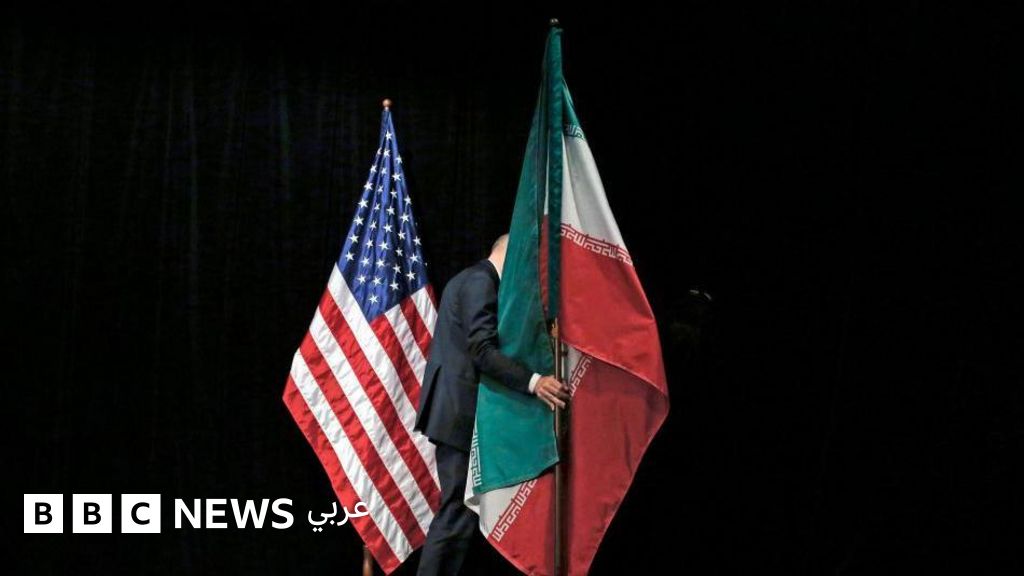
Pakistani Foreign Minister Bilawal Bhutto Zardari has announced that indirect talks between the United States and Iran have officially begun, a move that could help ease tensions between the two countries. These discussions come at a critical time as the international community seeks to find lasting solutions to the crises plaguing the region.
This dialogue is seen as a significant step in the diplomatic efforts being made by Pakistan to enhance stability in the region. Zardari noted that his country is playing the role of a mediator, which reflects the trust the international community places in Pakistan in this context.
Details of the Talks
The indirect talks between the United States and Iran encompass several key issues, including the Iranian nuclear program, Iran's support for armed groups in the region, and regional security. Diplomatic sources have indicated that these discussions could help rebuild trust between the two parties, which is essential for achieving any tangible progress.
These talks are expected to continue over the coming weeks, as both sides aim to identify common ground and make concessions that could lead to positive outcomes. There are also expectations that Pakistan will play a pivotal role in facilitating these discussions, given its historical relationships with both parties.
Background & Context
The roots of the tensions between the United States and Iran extend back decades, with relations between the two countries escalating significantly following the US withdrawal from the Iranian nuclear agreement in 2018. Since then, Washington has imposed strict economic sanctions on Tehran, exacerbating the economic and social conditions in Iran.
In recent years, several countries, including Oman and Iraq, have attempted to mediate between the United States and Iran, but those efforts have not yielded tangible results. However, Pakistan appears to be in a better position to facilitate dialogue, given its good relations with both sides.
Impact & Consequences
If the indirect talks succeed in making progress, it could have significant implications for security and stability in the Middle East. Improved relations between the United States and Iran could help alleviate tensions in areas such as Iraq and Syria, where both American and Iranian forces are present.
Moreover, these discussions could reopen channels for dialogue on other regional issues, such as the Israeli-Palestinian conflict and the crisis in Yemen, thereby enhancing the prospects for peace in the region.
Regional Significance
The neighboring Arab countries to Iran and the United States, such as Saudi Arabia and the United Arab Emirates, are among the most affected by the developments of these talks. If relations between Washington and Tehran improve, the balance of power in the region may shift, impacting the security and economic policies of those nations.
Additionally, the success of these talks could open the door for Arab countries to reassess their relations with Iran, potentially contributing to greater stability in the region. Conversely, some Arab nations may express concern over any rapprochement between the United States and Iran, especially if it comes at the expense of their security interests.
In conclusion, the indirect talks between the United States and Iran represent a new opportunity for peace and stability in a region plagued by ongoing tensions. It remains to be seen how these discussions will evolve and whether they will lead to tangible results that benefit all parties involved.