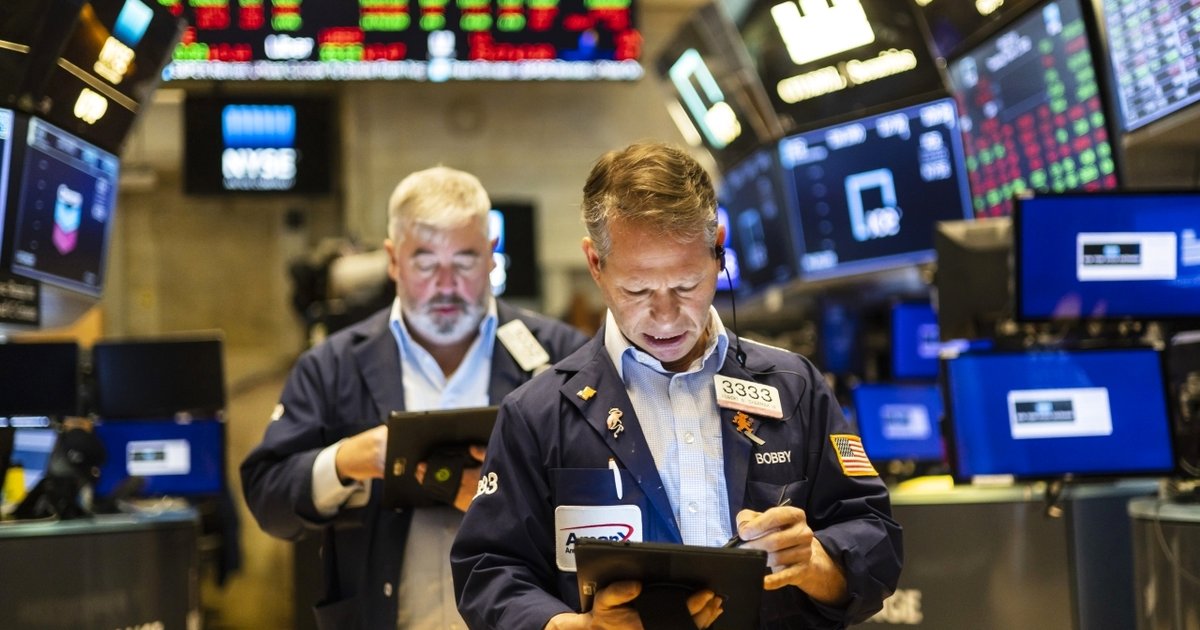
Individual investors in the United States, who have been regarded as some of the most reliable buyers in the stock market in recent years, have started selling stocks for the first time since the beginning of 2023. This shift occurs at a time when economic risks are increasing, making potential returns less attractive.
Reports indicate that many of these investors are beginning to feel anxious about rising economic pressures, including increasing interest rates and persistent inflation. These factors have prompted them to reassess their investment strategies, leading to the decision to sell.
Details of the Event
In recent years, individual investors have constituted a significant portion of the purchasing power in the U.S. stock market, often buying stocks during downturns. However, with rising risks, they have started to take more cautious steps, as recent data shows a notable increase in selling activity.
Statistics reveal that individual investors have sold shares worth billions of dollars over the past few weeks. This trend reflects a general sentiment of uncertainty in the market, as many investors are opting to hold cash rather than risk investing in stocks.
Background & Context
Over the past few years, U.S. financial markets have experienced significant gains, with individual investors benefiting from low interest rates and ample liquidity. However, recent economic changes, including expectations of rising interest rates from the Federal Reserve, have altered the investment landscape.
Historically, individual investors have been considered key drivers of the market, especially during downturns. Yet, with increasing economic pressures, it seems this trend has begun to wane, raising questions about the sustainability of market growth.
Impact & Consequences
The decline of individual investors in the market is seen as a sign of growing concern regarding economic stability. If this trend continues, it could lead to greater market volatility and affect companies that rely on individual investments.
Moreover, this trend may result in decreased demand for stocks, which could negatively impact their prices. If individual investors continue to shy away from the market, we may witness adverse effects on overall economic growth.
Regional Significance
The U.S. financial markets are among the key indicators monitored by markets in the Arab region. If risks continue to affect individual investors in the United States, it could lead to a decline in foreign investments in Arab markets.
Additionally, a decline in confidence in the U.S. market may impact the flow of investments to the region, which could negatively reflect on economic growth in Arab countries that depend on foreign investments.
In conclusion, the decline of individual investors in the U.S. stock market appears to signal a shift in the investment landscape, raising questions about the market's future and its impact on the global economy.