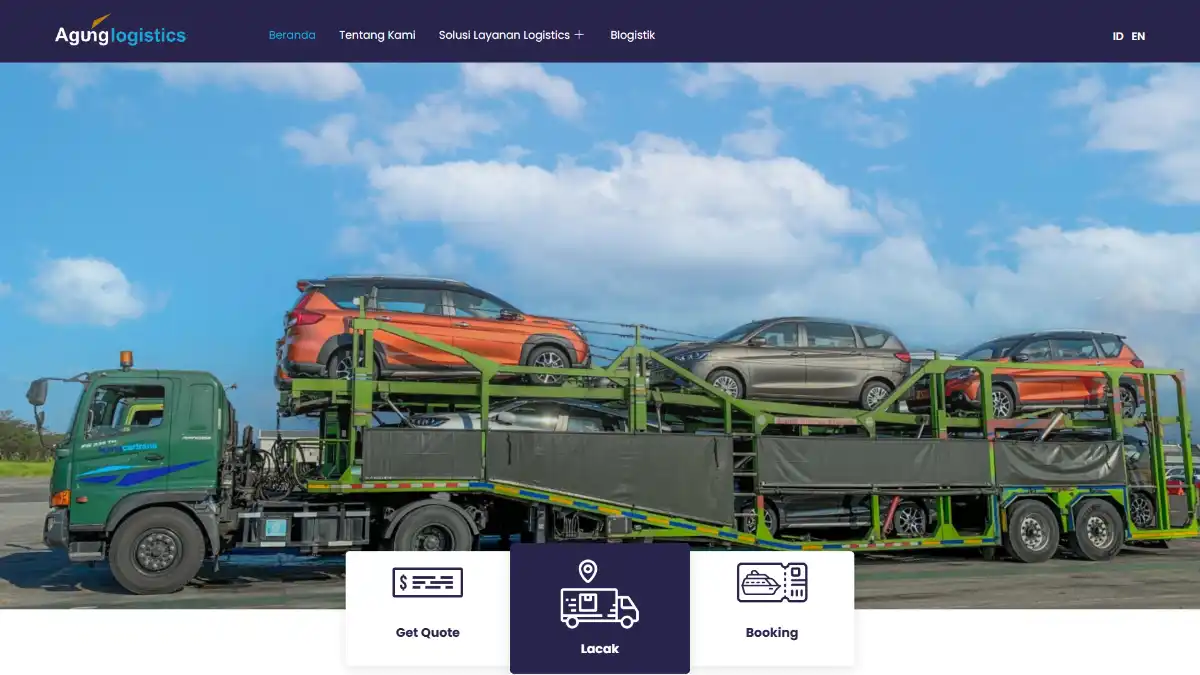
The Indonesian government, represented by BP BUMN, is expediting the merger of 15 state-owned companies in the logistics sector, a move aimed at enhancing the competitive efficiency of these firms. This process is anticipated to be completed within one month, as the government seeks to improve the performance of public companies and strengthen their market competitiveness.
During a press conference, Doni Oskaria, head of BP BUMN, stated that the merger is part of a comprehensive transformation of state-owned enterprises. He emphasized that this transformation will enhance the companies' ability to provide better services to citizens, contributing to an improved customer experience in the logistics sector.
Details of the Merger Process
Oskaria clarified that PT Pos Indonesia will play a pivotal role in this merger, overseeing other logistics companies such as Semmen Indonesia Logistics, Bobok Indonesia Logistics, and Kai Logistics. The merger aims to improve operational efficiency and reduce costs, thereby contributing to the government's objectives of strengthening the national economy.
He also pointed out that this merger is part of the government's plan to restructure state-owned enterprises, aimed at enhancing their financial performance and increasing their competitiveness. This step is expected to improve the quality of logistics services provided to citizens.
Background & Context
Historically, Indonesia has witnessed numerous attempts to enhance the efficiency of state-owned enterprises, as the government has consistently sought to bolster the role of these companies in the national economy. President Joko Widodo has frequently highlighted the importance of restructuring state-owned enterprises to improve efficiency and increase global competitiveness.
In February of last year, BPI Danantara was established, achieving remarkable financial returns of 300% in its first year, reflecting the government's success in meeting its goals for improving the financial performance of state-owned enterprises.
Impact & Consequences
The merger is expected to have positive effects on the Indonesian economy, as it will contribute to improving the efficiency of logistics services and reducing costs. Additionally, enhancing operational efficiency will lead to an improved customer experience and increased satisfaction with the services provided.
Furthermore, improving the performance of state-owned enterprises will help bolster confidence in the Indonesian economy, potentially attracting more foreign and domestic investments. This, in turn, will assist in achieving the sustainable development goals that the government aims to accomplish.
Regional Significance
Indonesia's experience in merging state-owned enterprises serves as a model that Arab countries could benefit from, as many face similar challenges in enhancing the efficiency of public companies. Arab nations can draw lessons from this experience to improve the efficiency and performance of their state-owned enterprises.
In conclusion, the merger of logistics companies in Indonesia represents a significant step towards enhancing competitive efficiency and improving economic performance. This initiative is expected to contribute to the government's goals of improving services provided to citizens and strengthening confidence in the national economy.