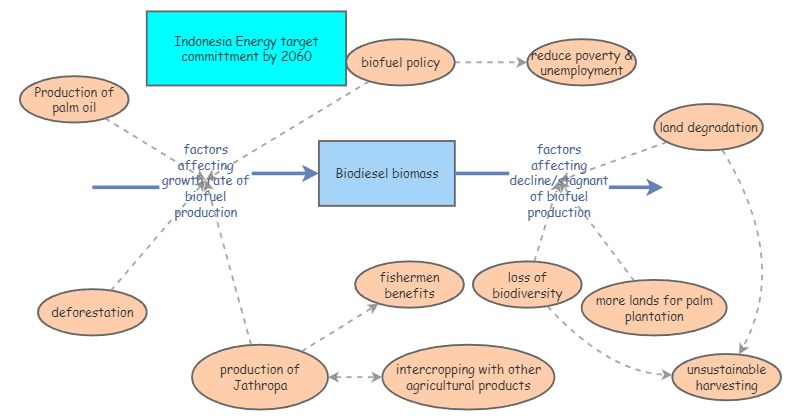
The Indonesian Ministry of Agriculture (Kementan) has announced a rapid acceleration of its efforts to enhance the biofuel and ethanol sector as part of its strategy to achieve national energy independence. This announcement came during a meeting held at the ministry's headquarters in Jakarta, where Minister of Agriculture Andi Amran Sulaiman emphasized that these steps are in response to directives from President Joko Widodo amid changing geopolitical conditions.
Amran pointed out that the government is focusing on expediting the development of biofuels and ethanol, especially in light of increasing global tensions. He confirmed that the government has made significant progress in enhancing food security and is now moving towards achieving energy independence through the development of renewable energy sources.
Details of the Initiative
During the meeting, Amran clarified that the government has made notable progress in the food sector, enabling it to now focus on developing biofuels and ethanol. He mentioned that the government aims to reduce dependency on fuel imports by replacing them with biofuels derived from palm oil, targeting an output of approximately 5.3 million tons of this fuel.
A new program called E20 was also introduced, which aims to blend ethanol with gasoline. Ethanol can be produced from crops such as corn, sweet potatoes, and sugarcane, which are abundantly available in Indonesia.
Background & Context
Indonesia is one of the largest producers of palm oil in the world, giving it a competitive advantage in developing biofuels. In recent years, the country has witnessed significant transformations in the agricultural sector, achieving self-sufficiency in many food crops. However, global challenges such as rising oil prices and climate change necessitate serious steps towards achieving energy independence.
Historically, Indonesia has heavily relied on fuel imports, making it vulnerable to fluctuations in the global market. With increasing environmental and economic pressures, it has become essential for the country to explore new sources of sustainable energy.
Impact & Consequences
Through these initiatives, the Indonesian government aims to enhance energy independence and reduce reliance on imported fuels, which could contribute to improving the national economy and increasing job opportunities in the agricultural sector. Additionally, the development of biofuels and ethanol could help reduce carbon emissions, aligning with global goals to combat climate change.
These initiatives are expected to increase the added value of agricultural products, benefiting farmers and improving their livelihoods. Furthermore, the collaboration between the Ministry of Agriculture and state-owned enterprises is a strategic step to ensure the success of these initiatives.
Regional Significance
Indonesia's experience in developing biofuels and ethanol could serve as a model for Arab countries, which face similar challenges in the energy sector. With the increasing demand for renewable energy, Arab nations can benefit from Indonesia's experiences to enhance their sustainable energy strategies.
Moreover, developing renewable energy sources can contribute to achieving food and energy security in the region, thereby enhancing economic and social stability.