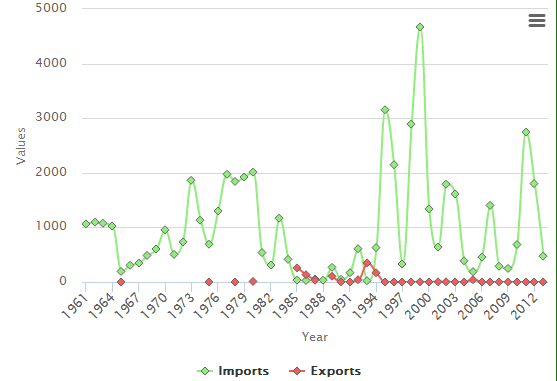
Amid fluctuating geopolitical conditions, Indonesia has notably increased its rice stock to 4.5 million tons, with expectations to reach 5 million tons soon. This achievement reflects integrated efforts from the government and farmers, as these figures represent more than mere statistics; they embody a long-term policy and coordination among various stakeholders.
This increase in stock comes at a sensitive time, as economic pressures rise due to soaring prices in global markets. With the approach of Ramadan, a period that typically sees increased demand for food items, stabilizing rice prices is vital for maintaining economic stability.
Details of the Achievement
The Director General of Perum Bulog, Ahmad Rizal Ramdhani, confirmed that the target for purchasing rice from farmers is set at 4 million tons by 2026. These figures are not just goals; they represent a comprehensive strategy that requires cooperation among various government bodies, including the military and police, to ensure food security.
Despite these achievements, Indonesia faces challenges in managing its stock. The discrepancy between government-set prices and actual market prices indicates gaps in the distribution and monitoring system, necessitating urgent improvements.
Background & Context
Historically, Indonesia is one of the largest rice producers in the world and has faced numerous challenges in recent years due to climate change and global economic pressures. However, government efforts to boost local production have begun to bear fruit, contributing to achieving self-sufficiency.
This increase in stock is part of a broader strategy aimed at enhancing food security in the country, especially in light of global crises affecting supply chains.
Impact & Consequences
The increase in rice stock contributes to price stability, helping to alleviate inflationary pressures faced by Indonesian households. Additionally, having sufficient stock ensures that market needs are met during peak periods, such as Ramadan.
However, challenges related to distribution and pricing remain, requiring a swift government response to prevent the situation from worsening.
Regional Significance
Given the importance of rice as a staple food in many Arab countries, Indonesia's success in boosting its stock could have a positive impact on regional markets. Arab nations could benefit from Indonesian experiences in stock management and achieving food security.
In conclusion, Indonesia's achievement in increasing its rice stock is a significant step toward economic stability, but further efforts are needed to ensure effective and sustainable management of this vital resource.