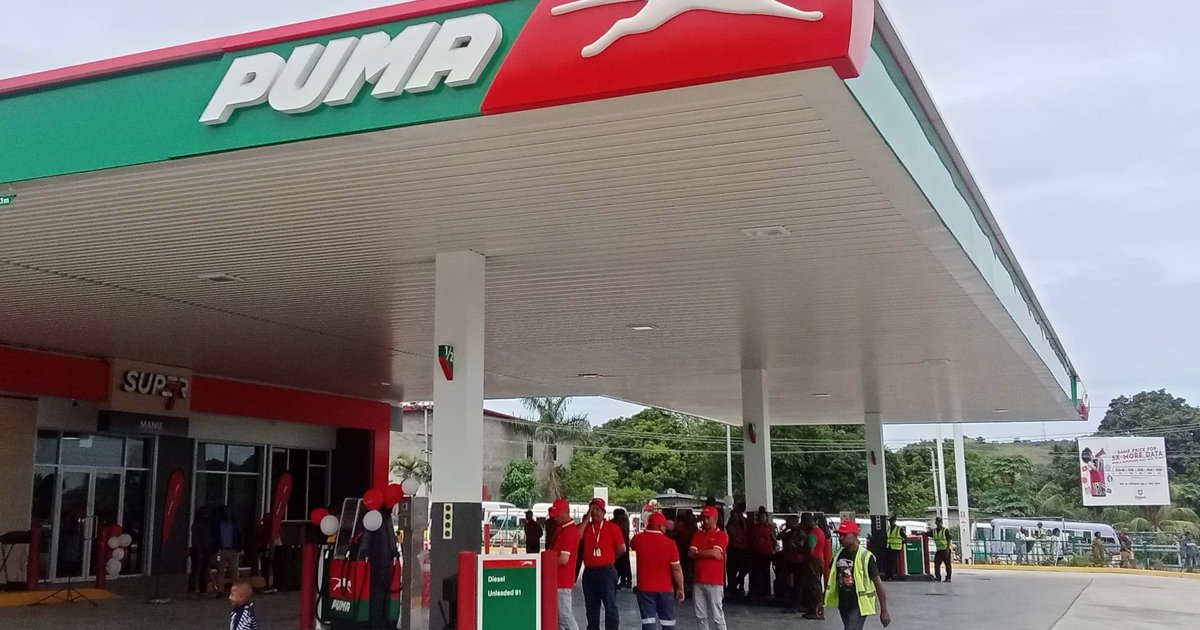
In an unprecedented step, the Indonesian government announced on Tuesday fuel rationing and mandated remote work for government employees as part of its efforts to conserve energy stocks amid a significant rise in global prices resulting from the ongoing conflict in the Middle East.
During a virtual press conference from Seoul, the Coordinating Minister for Economic Affairs, Airlanga Hartarto, stated that the government will regulate fuel purchases, limiting them to a maximum of 50 liters per vehicle per day for private consumers. He also noted that government employees will work from home every Friday as part of the government's energy-saving initiatives.
Details of the Announcement
Earlier today, the government confirmed that it would not increase fuel prices, which are heavily subsidized in Indonesia. Although Indonesia is considered an oil producer, it remains a net importer of oil. Fuel subsidies are a crucial part of the national budget, accounting for approximately 5% of the total annual budget for 2026, which is estimated at 12.3 billion USD.
The government is facing increasing pressure, as Indonesian law requires maintaining the fiscal deficit below 3% of GDP. The fuel subsidy for 2026 was calculated based on a projected global oil price of 70 USD per barrel, but prices have currently exceeded 100 USD.
Background & Context
Historically, Indonesia has experienced widespread public protests due to rising fuel prices. However, the largest economy in Southeast Asia has not seen long queues for fuel, unlike some of its neighbors, despite the sharp rise in global oil prices resulting from the closure of the strategic Strait of Hormuz.
The Strait of Hormuz is a vital passage for transporting about 20% of the world's oil supply, and traffic has effectively stopped since the outbreak of the conflict following the US-Israeli strikes on Iran on February 28.
Impact & Consequences
The Indonesian government aims to allocate up to 80 trillion rupiah (approximately 4.7 billion USD) to protect the economy from the repercussions of rising fuel prices. The government has also announced a reduction in the free school meal program to one day a week, except in areas with high malnutrition rates.
President Joko Widodo aims to raise the economic growth rate from 5.1% last year to 8% by 2029, supported by increased public spending. However, these measures may face significant challenges amid volatile global economic conditions.
Regional Significance
Indonesia is one of the largest economies in the Islamic world, and any changes in its economic policies could affect trade relations with Arab countries. Additionally, the rise in global oil prices due to the conflict in the Middle East could impact the economies of Arab nations that heavily rely on oil exports.
In conclusion, these developments in Indonesia illustrate how regional crises can influence local policies, necessitating close monitoring of the situation by Arab countries.