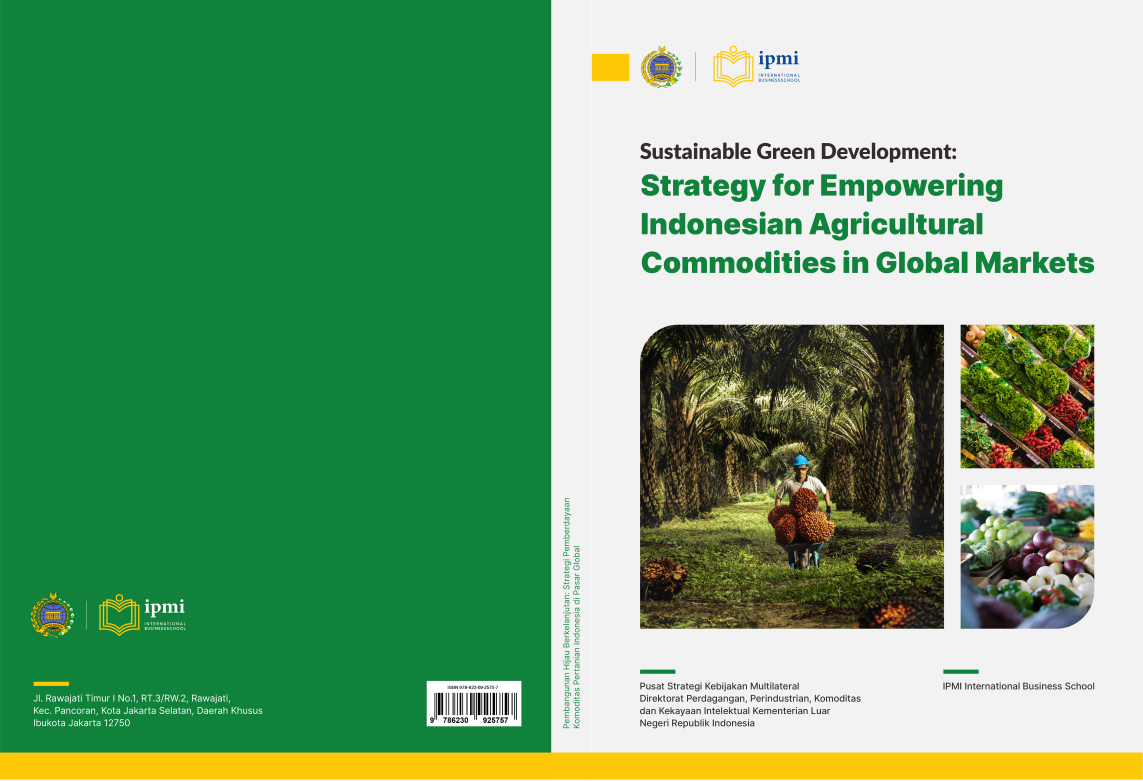
In recent statements, Indonesian Minister of Agriculture Andi Amran Sulaiman emphasized that the Hilerisasi strategy is a fundamental element in strengthening Indonesia's status as a nation. It contributes to bolstering the national economy, enhancing energy independence, and ensuring food security amid global challenges.
Sulaiman explained during a press conference in Jakarta that Indonesia needs to transition from merely exporting raw materials to the Hilerisasi phase, which allows for added value to be achieved within the country. He pointed out that there are numerous agricultural products such as coconuts, palm oil (CPO), and gambir that possess significant potential for development through this strategy.
Event Details
The minister clarified that products derived from coconuts, such as coconut oil, coconut milk, and coconut water, can significantly increase economic value compared to raw products. He noted that Indonesia ranks first globally in coconut production, yet it is exported in its raw form, depriving the country of the opportunity to benefit from added value.
He also mentioned that Indonesia controls about 80% of the global gambir market, but most of this quantity is exported in a semi-processed form, meaning that added value is enjoyed by other countries. Sulaiman affirmed that transitioning to Hilerisasi could elevate economic value to unprecedented levels.
Background & Context
Historically, Indonesia has heavily relied on exporting raw materials, making it vulnerable to global price fluctuations. With increasing global economic pressures, it has become essential for the country to seek ways to enhance its economic independence. Hilerisasi is part of a broader vision to achieve self-sufficiency in food and energy, aligning with the directives of the current Indonesian government.
This strategy is considered part of the government's plan to enhance the competitiveness of Indonesian products in global markets, contributing to improving the living standards of farmers and creating new job opportunities. Indonesia has gained international recognition by receiving awards in the field of food security from the Food and Agriculture Organization (FAO) during the years 2024-2025.
Impact & Consequences
The Indonesian government anticipates that the Hilerisasi strategy will improve the overall economic situation of the country, as it will enhance the ability to face global economic crises. Additionally, improving food security will reduce reliance on imports, thereby strengthening political and social stability.
However, Sulaiman warned that the path to achieving self-sufficiency is not easy, as there are opposing forces that may not be pleased with Indonesia's cessation of food imports. Nevertheless, he confirmed that the government is determined to move forward with this strategy, reflecting the vision of the Indonesian president.
Regional Significance
Indonesia is considered one of the largest food-producing countries, making it an important partner for Arab countries in the field of food security. Given the challenges faced by the Arab region in securing its food needs, Indonesia could play a pivotal role in meeting these needs by exporting value-added agricultural products.
In conclusion, the Hilerisasi strategy represents an opportunity for Indonesia to enhance its position in the global economy while simultaneously opening new avenues for cooperation with Arab countries in agriculture and food security.