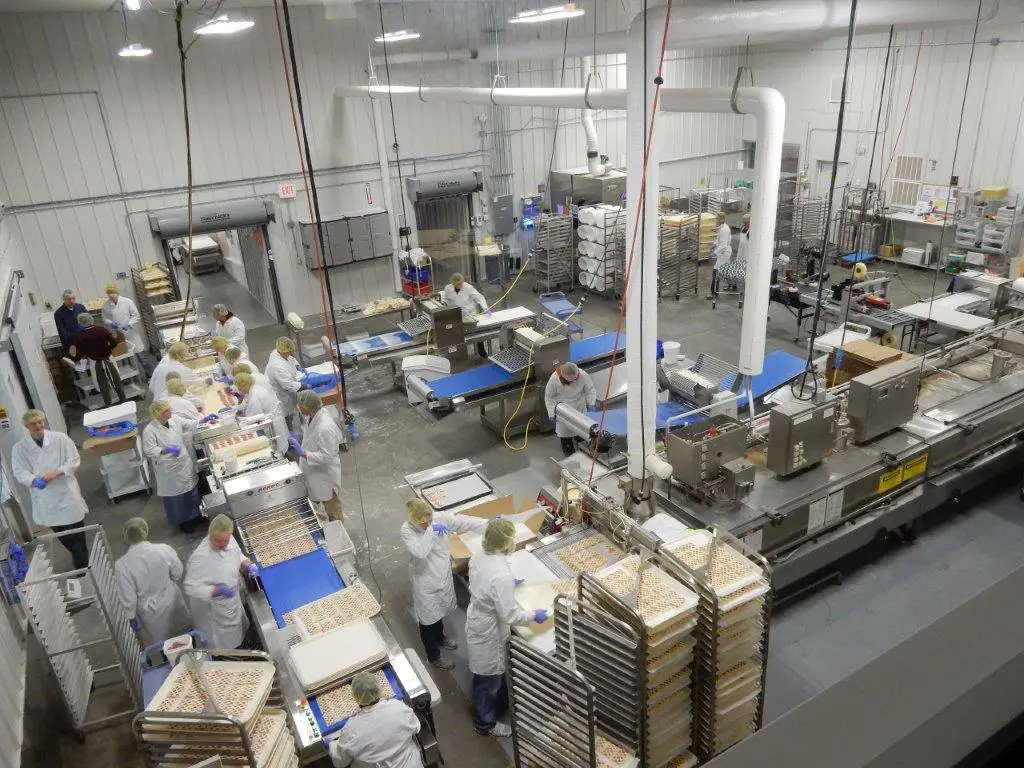
Indonesian company Perum Bulog has announced ambitious plans to build 100 modern facilities aimed at enhancing the quality of food processing and storage in the country. This announcement was made during a special meeting at the Office of the Coordinating Ministry for Food Affairs in Jakarta, where the company's Director General, Ahmad Rizal Ramdhani, confirmed that these facilities will contribute to improving the efficiency of the food supply chain.
The new facilities will include a variety of amenities, such as 94 storage units, 6 rice silos, and 8 corn silos. Ramdhani explained that the use of silos will help maintain the quality of crops for longer periods compared to traditional storage methods.
Details of the Initiative
In addition to storage facilities, Perum Bulog will construct modern processing units that include 17 crop drying units, 17 rice milling units, and 8 corn drying units. Furthermore, 9 rice processing centers will be established to support the production and distribution process.
These facilities will rely on mechanization and automation technologies to enhance operational efficiency, with Ramdhani noting that the goal is to achieve a modern food management system that aligns with global advancements in this field.
Background & Context
This initiative comes at a critical time for Indonesia, as the country faces significant challenges in food security. According to studies conducted by the National Research and Innovation Agency, crop losses can reach 30-50% during production and distribution stages if not managed properly.
The Indonesian government aims through this project to reduce crop waste and stabilize food prices, especially during major harvest periods and times of disruption caused by weather conditions or logistical issues.
Impact & Consequences
These facilities are expected to improve the quality of food products and increase the efficiency of the national supply chain. Additionally, investment in this modern infrastructure reflects the Indonesian government's commitment to achieving food security and enhancing the country's capacity to face future challenges.
Moreover, improving storage and processing facilities may lead to a reduced reliance on food imports, thereby strengthening Indonesia's ability to achieve self-sufficiency in food production.
Regional Significance
Indonesia is one of the largest food-producing countries in the world, and this project underscores the importance of improving food supply chain management. For Arab countries, this experience could serve as a model in addressing food security challenges, especially in light of changing climatic conditions.
In conclusion, the development of these modern facilities represents a significant step towards improving food security in Indonesia and reflects the government's commitment to enhancing the country's capacity to tackle future challenges in this field.