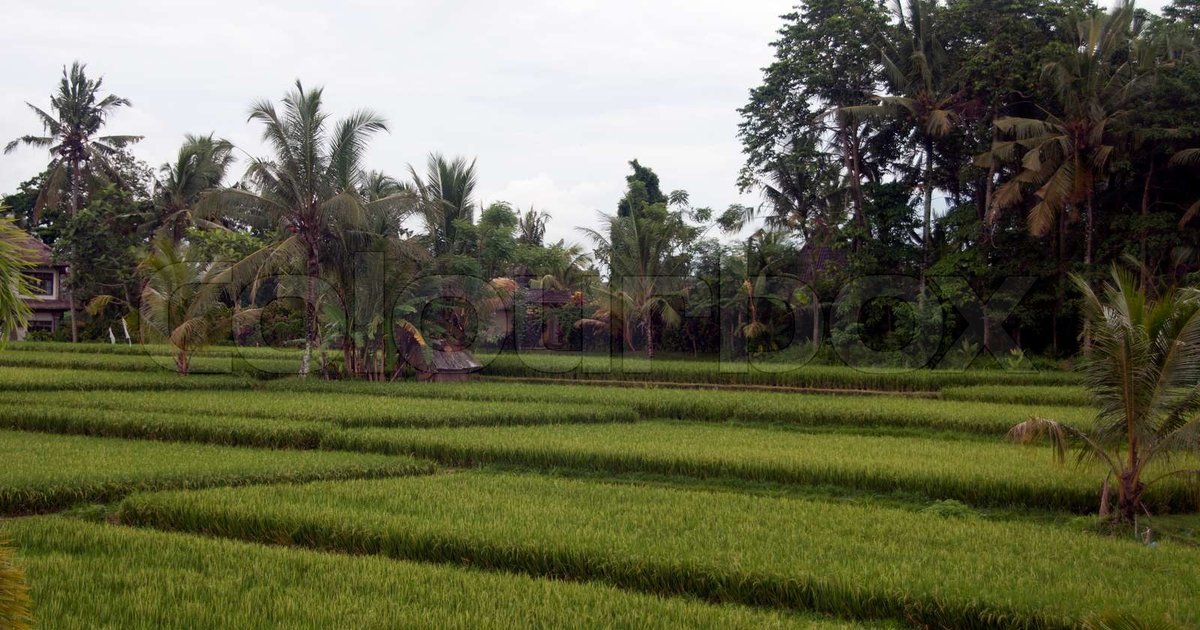
The Indonesian Logistics Agency (Bulog) has announced plans to build 100 new storage facilities for rice, aimed at accommodating the quantities of rice received from farmers. This step is part of the Indonesian government's efforts to enhance food security and ensure the availability of rice in local markets.
Indonesia, considered one of the largest rice producers in the world, is striving to improve its storage and distribution system to prevent shortages of this essential commodity. These new storage facilities are expected to contribute to reducing crop losses and enhancing the country's ability to meet its food needs.
Details of the Initiative
Bulog's plan includes constructing the new storage facilities in strategic locations across the country, facilitating the collection of rice from farmers and its distribution to markets. These facilities will also improve the efficiency of the supply chain, helping to reduce costs and increase profits for farmers.
This initiative comes at a time when Indonesia is facing increasing challenges in food security, as the government aims to achieve self-sufficiency in rice production and reduce reliance on imports. The construction of the new storage facilities is expected to be completed within the next few years.
Background & Context
Historically, rice has been a staple part of the Indonesian diet, relied upon by over 260 million people. In recent years, Indonesia has faced several challenges, including climate change and natural disasters that have impacted agricultural production. Therefore, the government is taking proactive steps to ensure the sustainability of agricultural production.
In 2021, the Indonesian government launched a comprehensive plan to boost agricultural production, including improving farming techniques and providing financial support to farmers. These plans are part of the government's vision to achieve food security by 2045.
Impact & Consequences
This initiative is expected to enhance food security in Indonesia, reducing the risks associated with rice shortages in markets. Additionally, improving the storage system will lead to reduced crop losses, thereby increasing farmers' incomes and contributing to better living standards in rural areas.
Moreover, this initiative could open doors to new investment opportunities in the agricultural sector, fostering economic growth in the country. It may also serve as a model for other countries facing similar challenges in food security.
Regional Significance
As one of the largest rice producers in the world, Indonesia's agricultural policies can influence rice prices in global markets. In the Arab region, where many countries rely on rice imports, this move could lead to price stabilization and ensure necessary supplies.
Furthermore, enhancing food security in Indonesia could have a positive impact on Arab countries striving for self-sufficiency in food production. Cooperation between countries in agriculture could contribute to improving regional food security.
In conclusion, Bulog's plan to build 100 new storage facilities represents a strategic step towards enhancing food security in Indonesia, with potential positive repercussions for global and regional markets.