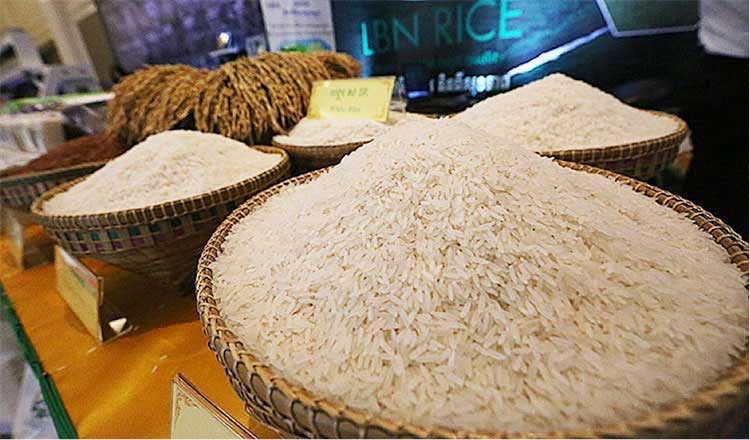
In a move reflecting food stability, Indonesian Agriculture Minister Andi Amran Sulaiman announced that the government's rice stock has reached 4.6 million tons, marking the highest figure in Indonesia's history. This announcement comes at a time when the country is facing economic challenges and rising price pressures.
The minister indicated that this stock is sufficient to meet the country's needs for an extended period, demonstrating the government's ability to manage food resources effectively. He also assured that the government is working to ensure price stability and protect consumers from market fluctuations.
Details of the Announcement
Indonesia is one of the largest rice producers in the world, with millions of citizens relying on it as a primary food source. In recent years, the country has experienced fluctuations in rice production due to climate change and economic conditions. However, the current stock serves as a guarantee for food security.
This announcement follows a series of government measures aimed at boosting local rice production, including improving agricultural techniques and providing support to farmers. Additionally, programs have been implemented to distribute subsidized rice to low-income households.
Background & Context
Historically, Indonesia has faced rice shortages during certain periods, leading to price increases and greater reliance on imports. However, the Indonesian government has taken serious steps to improve local production, contributing to the current stock enhancement.
In recent years, Indonesia has seen a significant improvement in rice production, utilizing modern agricultural techniques and increasing cultivated areas. These efforts have contributed to achieving self-sufficiency and reducing dependence on imports.
Impact & Consequences
The record rice stock represents a positive step towards achieving food security in Indonesia, as it can contribute to price stability and reduce the risks of food shortages. Furthermore, this stock reflects the success of agricultural policies implemented by the government in recent years.
However, the biggest challenge remains how to maintain this stock and ensure its sustainability amid climate changes and economic pressures. Long-term strategies are required to ensure continuous production and improve the quality of locally produced rice.
Regional Significance
Indonesia serves as a model in food security management, especially given the challenges faced by many Arab countries in this area. Arab nations can benefit from Indonesian experiences in enhancing local production and reducing reliance on imports.
Moreover, Indonesia's stability in rice production could impact global markets, including Arab countries that import rice. If Indonesia continues to achieve self-sufficiency, it may lead to fluctuations in global prices.
In conclusion, the record rice stock in Indonesia represents an important step towards achieving food security and reflects the success of agricultural policies that could serve as a model for other countries.