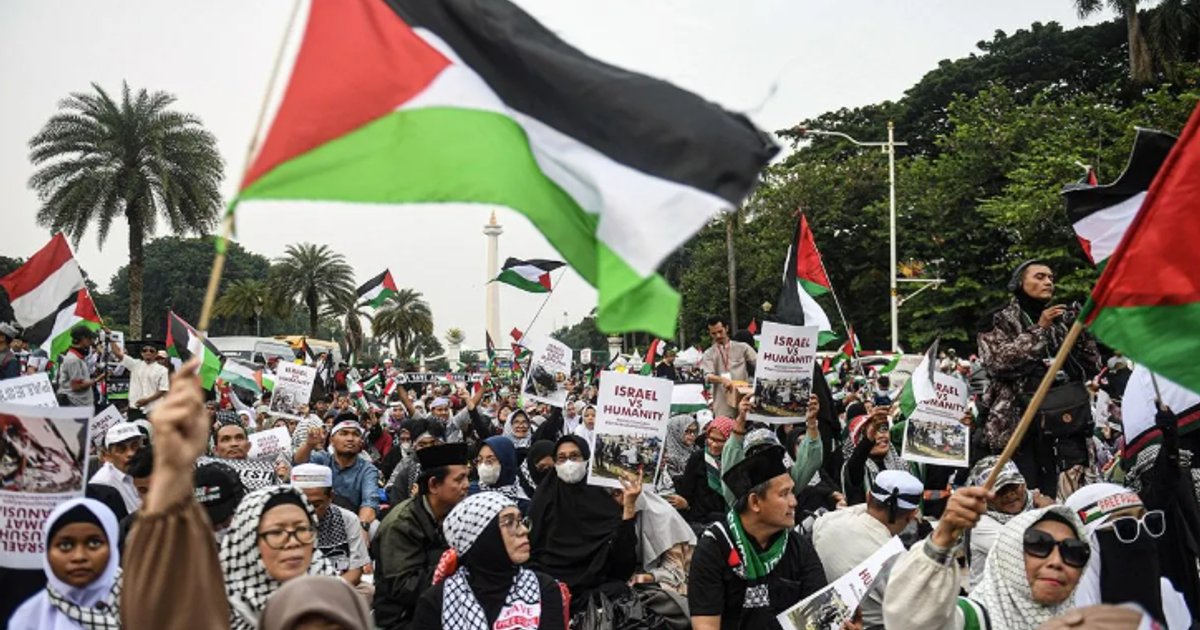
In a move reflecting escalating political tensions, Indonesian MP Lukmanul Hakim has called on the Indonesian government to prevent Israeli passport holders from entering the country. This call comes in response to an attack that targeted the United Nations peacekeeping forces in Lebanon, resulting in the deaths of three Indonesian soldiers and injuries to others.
Hakim emphasized that this attack represents a serious violation, stating the need for Indonesia, as a sovereign nation, to take a firm stance against Israel. He added that silence in the face of such aggressions is unacceptable, quoting, "Even an ant bites if stepped on, so how can we ignore the harm inflicted upon us?".
Details of the Incident
The attack, which occurred last Sunday, March 29, targeted the headquarters of the United Nations Interim Force in Lebanon (UNIFIL), resulting in the deaths of three Indonesian soldiers: Berka Farzal Romadon, Captain Zalmi Aditia Iskandar, and Sergeant Muhammad Noor Eishwan. Additionally, five other soldiers sustained varying degrees of injuries and were transported to the hospital for treatment.
Regarding the repatriation of the bodies of the fallen soldiers, Hakim confirmed that the government is working to expedite these procedures, expressing appreciation for the efforts made by the Indonesian armed forces in this regard.
Background & Context
Historically, Indonesia has been one of the countries supporting the Palestinian cause and opposing Israeli policies in the region. The relationship between Indonesia and Israel has been marked by ongoing tensions due to the Israeli-Palestinian conflict, with Indonesia being one of the largest Muslim-majority countries that refuses to recognize Israel.
The recent attack on Indonesian peacekeeping forces comes at a sensitive time, as international calls for peace in the region are increasing, while Israeli aggressions against Palestinian territories continue. This situation reflects the significant challenges Indonesia faces in its foreign policy, particularly regarding the Palestinian issue.
Impact & Consequences
Hakim's call to ban Israeli passport holders is expected to escalate tensions between Indonesia and Israel, potentially affecting diplomatic relations between the two countries. This stance may also encourage other nations to take similar actions, further isolating Israel on the international stage.
Moreover, this development could provoke reactions from the international community, as this step may be viewed as a violation of human rights, placing Indonesia in a precarious position before the global community.
Regional Significance
These events are significant for the Arab region, as they reflect the ongoing Israeli-Palestinian conflict and its impact on Muslim countries. Indonesia, as the largest Muslim-majority nation by population, plays a pivotal role in supporting the Palestinian cause, and its positions may influence other Arab nations.
In light of these events, Arab countries should enhance their cooperation with Indonesia to support the Palestinian cause and work towards finding peaceful solutions to the conflict in the region.