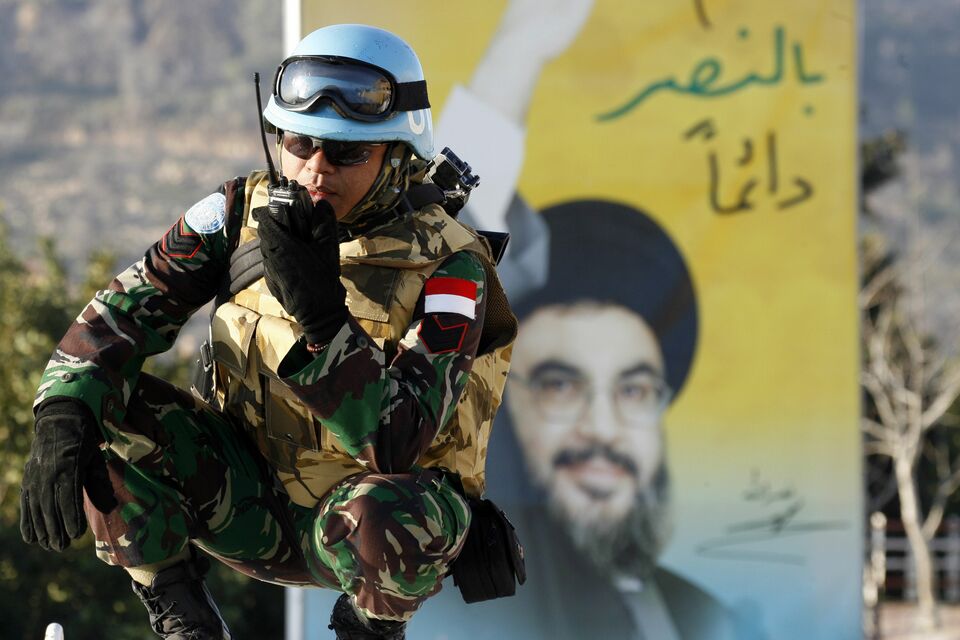
Indonesia has called for an emergency meeting of the United Nations Security Council in light of the death of a peacekeeper in Lebanon, who was part of the Indonesian forces. The incident occurred last Sunday when the troops were subjected to artillery shelling in an area near their location in Adchit al-Qasr, resulting in the death of soldier Farzal Ramdhan and injuries to three others.
Indonesian Foreign Minister Retno Marsudi emphasized in a statement the necessity for a swift, comprehensive, and transparent investigation into the incident, stressing that the safety and security of peacekeeping forces must be a top priority. She condemned the attack, describing it as a cowardly act.
Details of the Incident
On Sunday, March 29, Indonesian forces in Lebanon were subjected to artillery fire that led to the death of soldier Farzal Ramdhan, while three other soldiers, Rico Pramudya, Bayu Praxso, and Arya Kurniawan, were injured. The injured personnel were transported to medical facilities for treatment, with soldier Rico being evacuated to Saint George Hospital in Beirut for intensive care.
This incident is one of the unfortunate occurrences that highlight the dangers faced by peacekeeping forces in conflict areas, as these troops continue to operate under challenging conditions and ongoing threats.
Background & Context
Historically, UN peacekeeping forces have been deployed in Lebanon since 1978, with the aim of maintaining security and stability in the region. Since then, these forces have faced numerous attacks, underscoring the significant challenges they encounter in fulfilling their missions. Indonesia, which is one of the largest contributors to peacekeeping forces, currently contributes 756 soldiers to the UNIFIL mission.
This incident comes at a sensitive time, as tensions in the region are escalating, necessitating enhanced international efforts to protect peacekeeping forces and ensure their safety.
Impact & Consequences
This incident raises questions about the safety of peacekeeping forces in Lebanon and may lead to international calls for tightening security measures. It could also affect relations between Indonesia and other countries involved in peacekeeping missions, as greater international cooperation is required to ensure the safety of soldiers.
It is expected that this incident will increase pressure on the United Nations to improve security conditions for peacekeeping forces and may prompt some countries to reassess their participation in such missions.
Regional Significance
This incident serves as a reminder of the importance of peacekeeping forces in maintaining stability in conflict areas, especially in the Middle East. It also highlights the need for enhanced cooperation between Arab nations and the international community to ensure the protection of these forces, contributing to achieving peace and security in the region.
In conclusion, incidents like this are evidence of the ongoing challenges faced by peacekeeping forces, necessitating an effective international response to protect soldiers and ensure the continuity of their missions in maintaining security and peace.