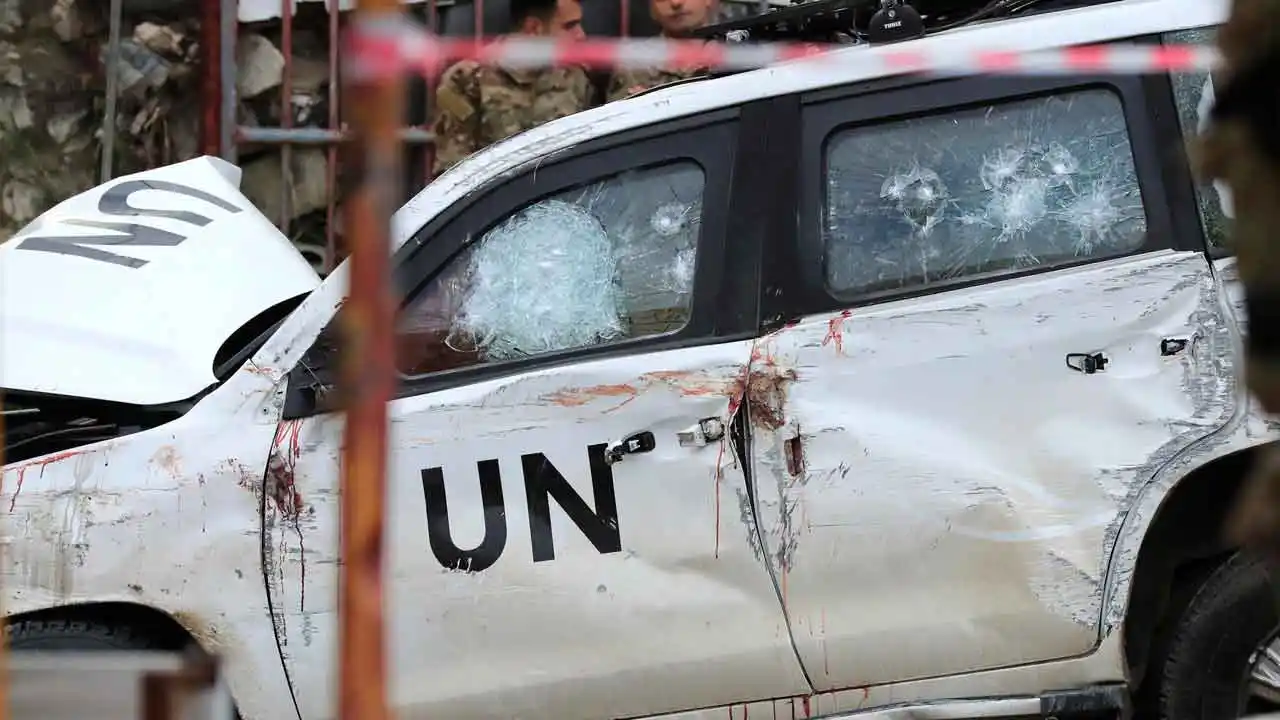
Indonesia has urged the United Nations to conduct a comprehensive assessment of the safety of peacekeeping forces following the deaths of three Indonesian soldiers while performing their duties as part of the United Nations Interim Force in Lebanon (UNIFIL). Indonesian Foreign Minister Retno Marsudi expressed deep sorrow over this incident, highlighting the need for immediate actions to ensure the safety of soldiers in the future.
In statements made at Soekarno-Hatta Airport, Retno Marsudi confirmed that the Indonesian government would make continuous efforts to ensure the safety of peacekeeping forces, stressing the importance of providing necessary protection to them while they carry out their missions in conflict areas.
Details of the Incident
The incident that led to the deaths of the three soldiers, namely Colonel Zelmiy Aditya Iskandar, Sergeant Muhammad Noor Eishwan, and Corporal Farizal Romadon, occurred during a peacekeeping operation in Lebanon, where the forces were attacked while performing their duties. The Indonesian government has expressed its heartfelt condolences to the families of the fallen soldiers, reaffirming its support for them during these difficult times.
In addition to the three soldiers who lost their lives, Retno Marsudi reported that three other soldiers were injured in the incident, and investigations are underway to determine the circumstances surrounding the attack. The Indonesian government has taken diplomatic steps through its permanent representative in New York, requesting the United Nations Security Council to hold an emergency meeting to discuss the incident.
Background & Context
Indonesia is one of the contributing countries to peacekeeping forces worldwide, participating in numerous international missions under the United Nations umbrella. For decades, Indonesia has played a significant role in promoting international peace and security, making this incident particularly painful for the Indonesian government and people.
Historically, United Nations peacekeeping forces have faced significant challenges in conflict areas, often coming under attack from armed groups. These incidents raise questions about the effectiveness of the security measures in place to protect soldiers, necessitating a comprehensive review of current policies.
Impact & Consequences
The repercussions of this incident extend beyond Indonesia, as concerns about the security of peacekeeping forces are widely shared in the international community. Attacks on peacekeeping forces reflect the ongoing challenges faced by the United Nations in its missions, requiring enhanced cooperation among member states to improve working conditions and ensure the safety of soldiers.
This incident may also affect Indonesia's participation in future peacekeeping missions, as some countries may hesitate to send their troops if safety and security standards are not improved. It is crucial for the United Nations to take effective steps to ensure the protection of soldiers who sacrifice their lives for peace.
Regional Significance
Events in Lebanon are directly related to stability in the Arab region, where peacekeeping forces play a vital role in maintaining security in conflict areas. Attacks on these forces could exacerbate security situations, impacting peace efforts in neighboring countries.
Under these circumstances, Arab countries must enhance their cooperation with the United Nations to ensure the safety of peacekeeping forces and work towards improving security conditions in conflict areas. Strengthening dialogue and cooperation among member states can contribute to greater stability in the region.
In conclusion, this incident reflects the importance of protecting peacekeeping forces and providing them with the necessary support, as the loss of any soldier is a significant loss for humanity. The international community must unite to ensure the safety of these soldiers who strive to achieve peace in conflict zones.