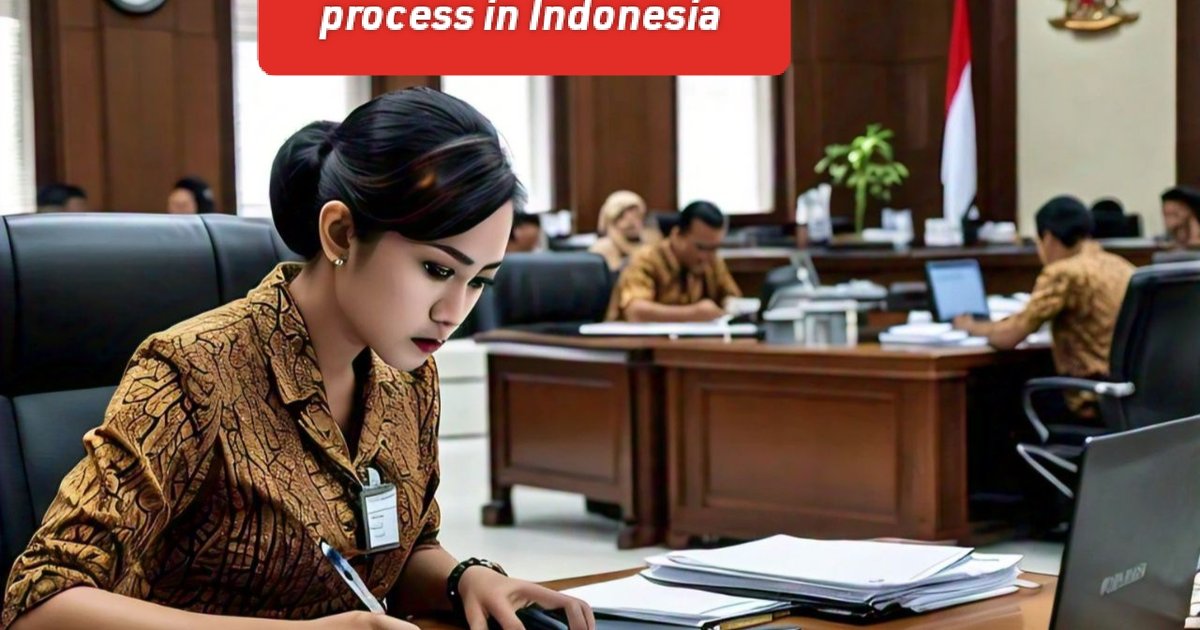
The Indonesian Ministry of Finance has announced the cancellation of administrative penalties imposed on the delay of tax payments and submissions (SPT) until April 30, 2026. This step aims to alleviate the burden on taxpayers and enhance tax compliance in the country.
This announcement was made by the Director General of Taxes, Pramono Wibowo, who confirmed that the decision was made after consulting data related to tax collection performance. He explained that the government aims through this measure to encourage citizens to submit their tax declarations on time.
Details of the Announcement
The cancellation of penalties comes at a sensitive time for the Indonesian economy, as the government seeks to enhance tax revenues amid global economic challenges. In addition, it was announced that 100 trillion rupiah would be allocated as additional funds for banks, allowing them to use this money more flexibly to support various economic sectors.
The Minister of Finance, Sri Mulyani Indrawati, clarified that these funds will help banks enhance their capacity to provide loans, contributing to economic growth. She noted that this step differs from a previous allocation of 200 trillion rupiah, which was directed more specifically.
Background & Context
Historically, Indonesia has faced multiple challenges in tax collection, where administrative penalties were considered a means to pressure taxpayers into compliance. However, current economic conditions require new strategies, prompting the government to reconsider its tax policies.
These measures are part of a broader plan to strengthen the Indonesian economy, which has been severely affected by the COVID-19 pandemic. The government hopes that these steps will contribute to improving the business environment and increasing both domestic and foreign investments.
Impact & Consequences
These measures are expected to lead to increased tax compliance from individuals and businesses, which may contribute to improved government revenues. Additionally, the allocation of funds to banks will help stimulate economic activity, especially in sectors that have been heavily impacted in recent years.
These steps are also seen as a positive signal for investors, reflecting the government's commitment to improving the business environment and providing necessary support for economic growth. If these policies succeed, we may witness a significant economic recovery in Indonesia in the coming years.
Regional Significance
The Indonesian experience in addressing economic challenges is particularly significant for Arab countries, which also face similar challenges in tax collection and promoting economic growth. Arab nations can benefit from these policies in developing their strategies to enhance revenues and improve the business environment.
In light of global economic changes, it is crucial for Arab countries to adopt flexible policies that support growth and help attract investments. Indonesia's success in these steps could serve as a model for the region.