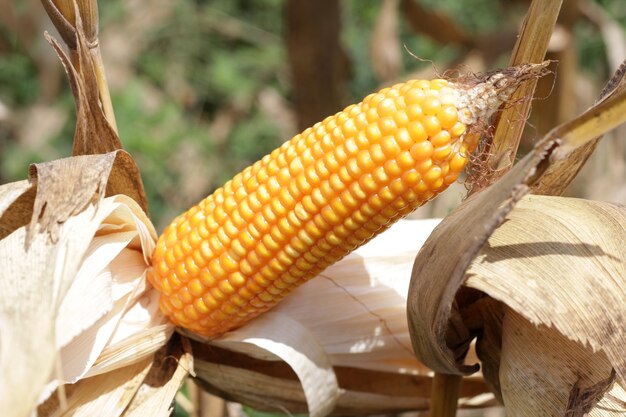
In a move aimed at enhancing food security and supporting farmers, Ahmad Rizal Ramdhani, the Director General of Perum Bulog, confirmed that the company is committed to collecting all corn production in Blora, located in Central Java, for use as animal feed or to meet the needs of bioethanol production. This announcement was made during a corn harvest event held in Blora, where Ramdhani highlighted the importance of this step in supporting local farmers.
During the event, Ramdhani expressed admiration for the significant efforts made by farmers in Blora, prompting him to reaffirm the company's commitment to collect all of their production. He explained that there is a substantial opportunity to use corn for bioethanol production, with national demand for this material estimated at around 3.2 million tons.
Event Details
The corn harvest event in Blora took place over an area of 15 hectares, where farmers achieved a productivity of approximately 7 tons per hectare. This achievement reflects the great potential for developing corn cultivation in the region and is a source of pride for all stakeholders involved. Ramdhani confirmed that Bulog will continue to operate as a purchasing entity to ensure the absorption of all crops produced by farmers.
The event was attended by several prominent figures, including the Mayor of Blora, Arya Rohman, and the Commander of the Indonesian Special Forces, General Djon Afriani, along with officials from the Indonesian Ministry of Agriculture, demonstrating the significance of the event and its support from the government.
Background & Context
Indonesia is considered one of the largest corn producers in Southeast Asia, with agriculture playing a vital role in the local economy. Historically, corn has been regarded as a staple crop in Indonesia, used in various industries, including animal feed and bioethanol production. With the increasing demand for these products, the Indonesian government is striving to boost local production and reduce dependency on imports.
This initiative is part of the Indonesian government's efforts to enhance food security, especially in light of global economic challenges. By supporting local farmers, the government hopes to achieve greater stability in food prices and improve living standards in rural areas.
Impact & Consequences
This commitment from Bulog can have positive effects on the local economy, as it will help increase farmers' incomes and encourage them to boost their production. Additionally, enhancing corn production can contribute to reducing reliance on imports, thereby strengthening the country's food independence.
Moreover, increasing bioethanol production can help Indonesia achieve its renewable energy goals, bolstering the country's efforts to combat climate change. These steps could serve as a model for other countries in the region seeking to enhance their food security.
Regional Significance
Although Indonesia is far from the Arab region, the lessons learned from this experience can be valuable for Arab countries. Many Arab nations face challenges in food security, making the enhancement of local production vital. Arab countries can benefit from Indonesian experiences in supporting farmers and boosting agricultural production.
In conclusion, Perum Bulog's commitment to collecting corn production represents an important step towards enhancing food security in Indonesia and could serve as a model for other regions seeking to achieve food stability.