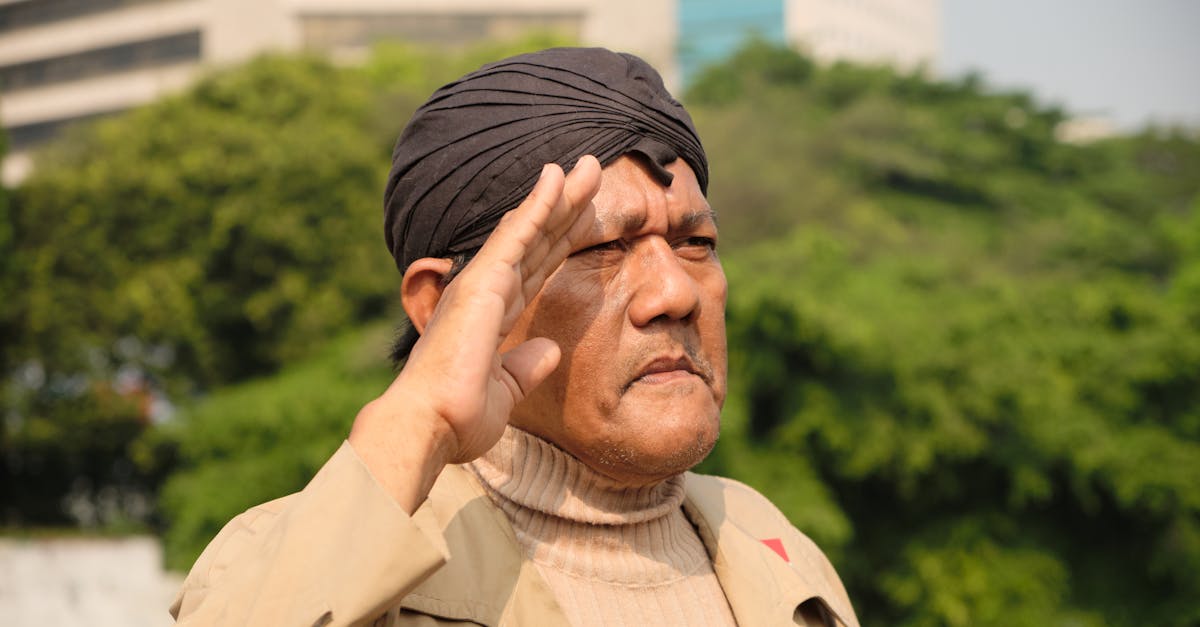
In a move that underscores Indonesia's commitment to protecting its personnel involved in peacekeeping missions, the commander of the Indonesian Peacekeeping Mission Center, General Ewan Bambang Setiawan, emphasized the importance of providing necessary protection for Indonesian peacekeepers in Lebanon. This statement came during his visit to Saint George Hospital in Beirut, where he checked on the health of three soldiers injured in an attack while performing their duties as part of the United Nations Interim Force in Lebanon (UNIFIL).
The visit, which took place last Saturday, included soldiers Lieutenant Infantry Sultan Werdian Maulana, Braka Rico Pramudia, and Braka Dini Rianto, to whom General Ewan offered moral support and prayers for a swift recovery. He affirmed that Indonesia would continue to provide support and protection for all its personnel, stressing its active role in promoting global peace efforts.
Details of the Visit
This visit comes at a sensitive time, as Indonesia has lost three of its soldiers in Lebanon due to repeated attacks. Braka Farizal Romadon was killed by artillery shelling on March 29, followed by the deaths of Captain Infantry Zalmi Aditia Iskandar and Sergeant Muhammad Noor Ikhwan during an attack on a military convoy on March 30. These tragic events have sparked strong reactions from the Indonesian government, which condemned the attacks and called for a thorough investigation.
Accompanying General Ewan during his visit were Indonesian Ambassador to Lebanon Diki Kumar, Brigadier General A. Joni Tua from UNIFIL, and Colonel Untung Brightno from the Peacekeeping Mission Center. This visit reflects the Indonesian leadership's commitment to caring for its personnel serving in conflict areas.
Background & Context
Historically, Indonesia plays a significant role in peacekeeping operations under the United Nations, being among the leading countries in deploying peacekeeping forces to conflict zones. Since 1950, Indonesia has participated in numerous international missions, reflecting its commitment to contributing to global stability.
The Indonesian forces have been present in Lebanon since 2006, following the Israeli-Lebanese war, where they were tasked with peacekeeping and enhancing stability in the region. However, the security situation in Lebanon remains fragile, exposing peacekeeping forces to increasing risks.
Impact & Consequences
The recent attacks on Indonesian forces in Lebanon raise concerns about the safety of peacekeepers in conflict zones. These incidents have led to increasing calls from the Indonesian government to enhance protection and provide necessary support for its personnel. Additionally, these events may affect Indonesia's commitment to deploying its forces in future peacekeeping missions.
The Indonesian government is also calling for a comprehensive investigation into the attacks, reflecting its concern for the safety of its troops. It seeks to enhance cooperation with the United Nations to ensure better protection for its forces.
Regional Significance
The events in Lebanon are part of the larger picture of regional security in the Middle East. Lebanon remains a center for political and security tensions, impacting the stability of the region as a whole. Targeting peacekeeping forces reflects the challenges faced by nations in achieving peace and stability in conflict areas.
Through its participation in peacekeeping forces, Indonesia aims to enhance regional security, reflecting the importance of international cooperation in addressing security challenges. Indonesia's support for its troops in Lebanon underscores its commitment to contributing to global peace efforts.