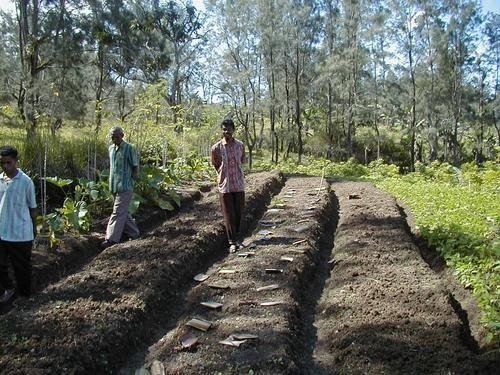
The Indonesian Deputy Minister of Forestry, Rohmat Marzuki, reaffirmed the Ministry of Forestry's (KLHK) commitment to supporting the development of sustainable agriculture, emphasizing the importance of balancing environmental conservation with technological progress. This was stated during his remarks in Jakarta, where he indicated that the ministry is ready to collaborate in restoring ecosystems and achieving food self-sufficiency.
In concrete steps, Marzuki stressed the need to improve the use of non-forest land, pointing out the potential of utilizing open land as seed sources and developing agriculture through the concept of agroforestry, which is one of the ministry's priority programs.
Event Details
Marzuki's comments followed a meeting on developing AI-based agriculture in the Toba Lake area, organized by the National Economic Committee of Indonesia. The meeting, chaired by Luhut Binsar Pandjaitan, emphasized the importance of integrating all elements of the ecosystem, from land and technology to human resources and global partnerships, to accelerate the shift towards technology-based agriculture in strategic areas.
The meeting included discussions on developing strategic crops such as garlic and enhancing a data-driven agricultural system through the use of artificial intelligence. Marzuki hopes these efforts will contribute to increased productivity and efficiency, supporting the stability of food supplies and prices.
Background & Context
Indonesia is considered one of the largest agricultural countries in South East Asia, heavily relying on agriculture as a primary source of income. However, the country faces significant challenges related to climate change and environmental degradation, necessitating the development of sustainable agricultural strategies. In recent years, the Indonesian government has begun focusing on integrating modern technology into agriculture, including the use of artificial intelligence, to improve productivity and reduce waste.
Historically, Indonesia has relied on traditional agriculture, but with rapid climate changes and population growth, it has become essential to adopt new methods that ensure the sustainability of natural resources. Therefore, the shift towards sustainable agriculture has become an urgent necessity.
Impact & Consequences
Indonesia's reliance on sustainable agriculture and modern technology could have significant positive impacts on the national economy. By improving productivity and reducing waste, these strategies can contribute to enhancing food security and decreasing dependence on imports. Additionally, the use of artificial intelligence in agriculture can provide accurate data that helps in making better decisions, thereby enhancing the efficiency of agricultural operations.
Moreover, these initiatives could help improve the environmental situation by reducing the environmental degradation caused by traditional agriculture. Promoting sustainable agriculture can lead to an improved quality of life for farmers and local communities.
Regional Significance
Arab countries also face similar challenges in agriculture, suffering from water resource shortages and land degradation. Indonesia's experiences in integrating modern technology with sustainable agriculture can serve as a model for Arab nations. Arab countries can benefit from these experiences to develop agricultural strategies that ensure food security while preserving the environment.
In conclusion, Indonesia's commitment to supporting sustainable agriculture represents a positive step towards achieving sustainable development and reflects the importance of cooperation between governments and the private sector to achieve common goals in agriculture.