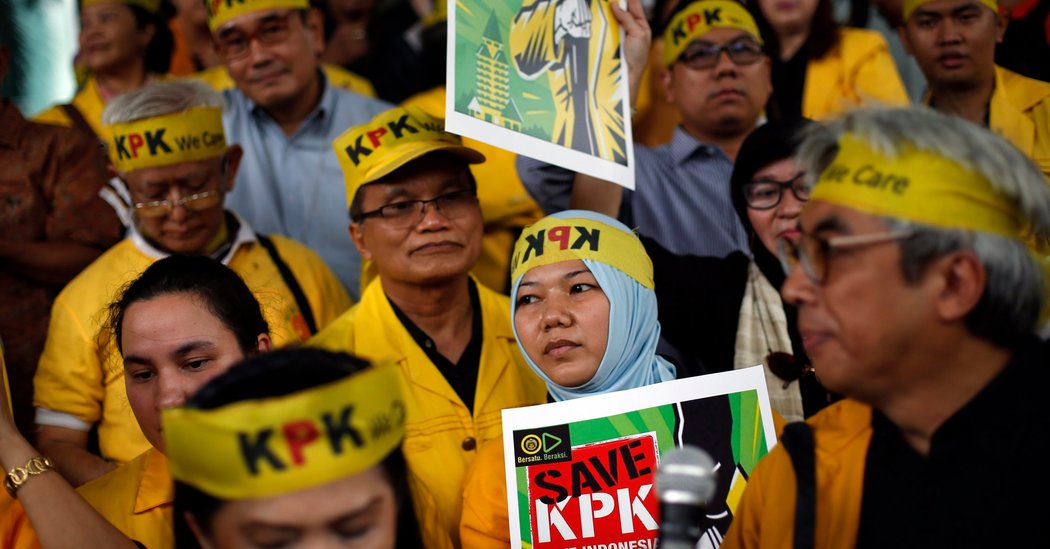
The Indonesian Director General of Immigration, Hindarsam Marantok, announced a comprehensive plan to address illegal practices within the immigration department following reports of corruption. This initiative is part of the government's efforts to enhance transparency and integrity in public institutions.
The new strategy includes several measures aimed at preventing the recurrence of these practices, including improving internal control mechanisms and enhancing training for employees. The government will also strengthen cooperation with oversight bodies to ensure strict enforcement of laws.
Details of the Initiative
In his remarks, Marantok emphasized that the government takes this issue seriously, as cases of illegal fee collection by some employees have been reported. He noted that these practices harm the reputation of the immigration department and negatively impact citizens' trust.
He added that the government will conduct thorough investigations into these cases and take necessary legal actions against those involved. The goal is to create a fair and transparent work environment where citizens feel safe and confident in the services provided to them.
Background & Context
Corruption issues in government institutions are among the major challenges facing many countries, including Indonesia. Historically, the country has witnessed numerous scandals related to corruption, leading to a deterioration of trust between citizens and the government. In recent years, the government has taken serious steps to combat corruption, including establishing independent bodies to monitor government activities.
This step comes at a sensitive time, as the Indonesian government seeks to improve its image in the international community and attract foreign investments. Corruption is one of the main factors negatively affecting the business environment, necessitating effective and swift action.
Impact & Consequences
This new strategy is expected to improve the level of services provided to citizens and enhance trust in the government. Additionally, combating corruption will contribute to improving the investment climate, benefiting the national economy.
Moreover, the success of this strategy may encourage other countries in the region to take similar steps to combat corruption in their institutions. This could contribute to strengthening regional cooperation in the fight against corruption and improving transparency in governments.
Regional Significance
Corruption issues are common challenges faced by many Arab countries, negatively impacting economic and social development. Indonesia's experience in combating corruption could serve as a model for Arab countries seeking to improve transparency and integrity in their government institutions.
Ultimately, enhancing transparency and combating corruption are not just necessary steps to improve the government's image; they are also urgent requirements for achieving sustainable development and improving the quality of life for citizens.