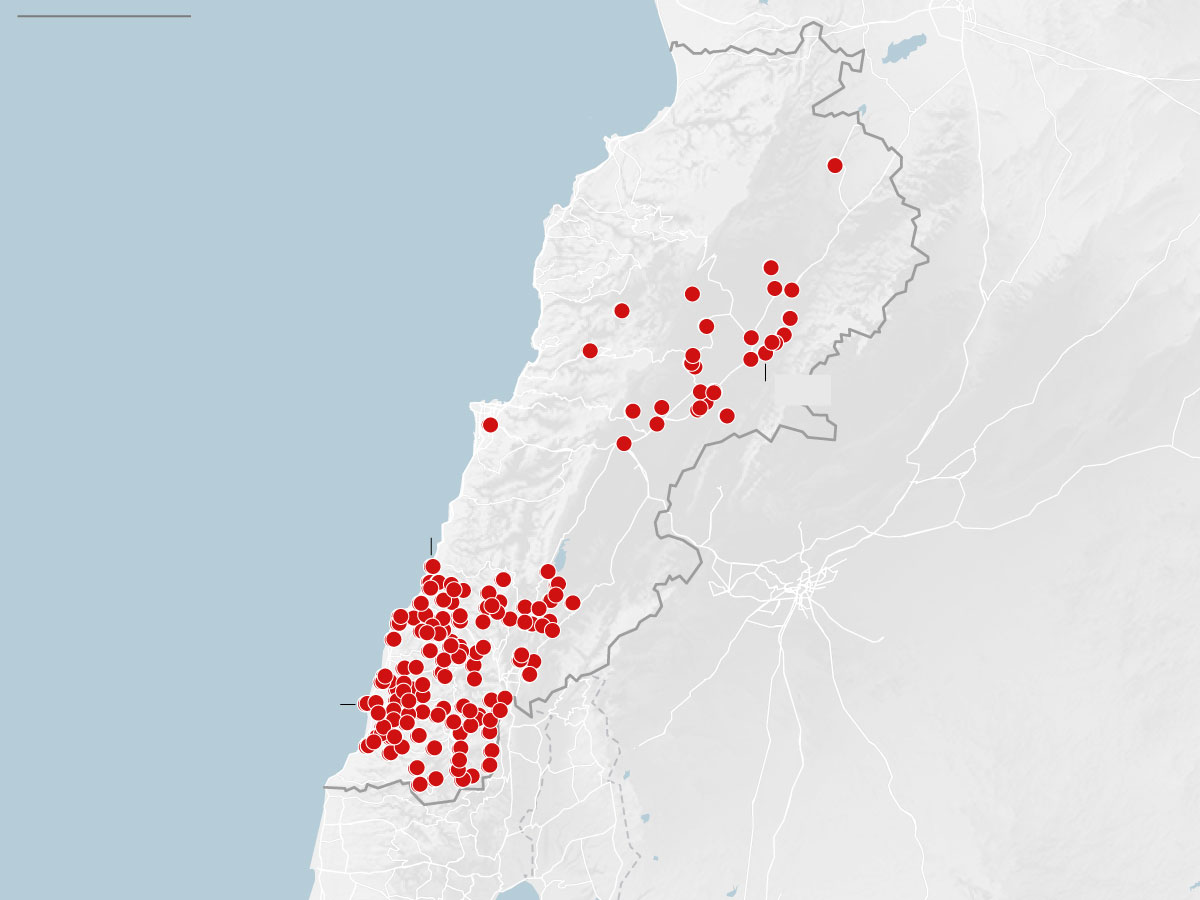
Indonesian Foreign Minister, Retno Marsudi, strongly condemned the Israeli attacks on southern Lebanon after the death of an Indonesian soldier serving with the United Nations Interim Force in Lebanon (UNIFIL). In a statement made during her visit to Tokyo, Marsudi emphasized that this attack is a blatant violation of international law and poses a threat to security and stability in the region.
The minister pointed out that the attack, which occurred last Sunday, resulted in the death of Indonesian soldier, Farzal Romadon, and injured three others, highlighting the risks faced by international peacekeeping forces in Lebanon. Marsudi urged all parties involved to take immediate steps towards de-escalation and return to dialogue to achieve lasting peace.
Details of the Incident
The Israeli attack targeted the Indonesian forces' position in the Lebanese town of Adaisseh, where the base was subjected to artillery shelling that led to the death of the Indonesian soldier and injuries to three others with varying degrees of severity. The injured were transported to St. George's Hospital in Beirut for treatment, with one suffering from serious injuries.
This incident comes at a sensitive time, as the region is witnessing escalating tensions between Israel and Hezbollah, raising concerns about a larger escalation that could impact regional security. The Indonesian Ministry of Foreign Affairs expressed its deep concern regarding the rising violence in Lebanon, emphasizing the need to respect Lebanon's sovereignty and the rights of civilians.
Background & Context
Historically, Lebanon has witnessed multiple conflicts, serving as a stage for numerous regional and international disputes. Since 2006, when the Second Lebanon War broke out between Israel and Hezbollah, tensions in the region have not ceased. That war resulted in the deaths of thousands of civilians and widespread destruction of infrastructure.
The United Nations Interim Force in Lebanon (UNIFIL) is part of international efforts to maintain peace in the region. However, repeated attacks on these forces raise questions about the effectiveness of these efforts and their ability to achieve stability. Recent events have shown that the situation in Lebanon remains fragile, and any escalation could lead to serious repercussions for regional security.
Impact & Consequences
The repercussions of the Israeli attack on Indonesian forces in Lebanon extend beyond Lebanon itself, potentially escalating tensions between Israel and Hezbollah, which could drag the region into a wider conflict. Additionally, the death of an Indonesian soldier may affect relations between Indonesia and Israel, which is one of the few Muslim countries maintaining diplomatic relations with Tel Aviv.
Furthermore, this incident may bring renewed attention to the role of the United Nations in the region and raise questions about the ability of peacekeeping forces to protect themselves and fulfill their missions in conflict environments. It may also lead to new calls from the international community to intensify efforts to achieve peace in Lebanon.
Regional Significance
The situation in Lebanon is part of the larger picture of the Arab-Israeli conflict, which has profound implications for Arab countries. The escalation of violence in Lebanon can affect security and stability in neighboring countries, such as Syria and Jordan, and heighten tensions among various factions in the region.
The death of an Indonesian soldier may provoke reactions from other Muslim countries, potentially escalating positions against Israel. At the same time, this incident may prompt Arab countries to reassess their strategies towards the Palestinian-Israeli conflict and strengthen solidarity with Lebanon in facing common challenges.
In conclusion, the Israeli attack on Lebanon represents a serious event that calls for urgent international attention and underscores the pressing need for diplomatic efforts to achieve peace and stability in the region.