The Indonesian government, through State Secretary Prasetyo Hadi, has confirmed that it will not increase the prices of both subsidized and non-subsidized gasoline, following coordination with the Ministry of Energy and Mineral Resources and Pertamina, in accordance with the directives of President Prabowo Subianto.
This announcement comes at a sensitive time, as citizens seek price stability amid current economic conditions. Hadi explained that the president prioritizes the welfare of the people, reflecting the government's commitment to providing fuel at reasonable prices.
Details of the Incident
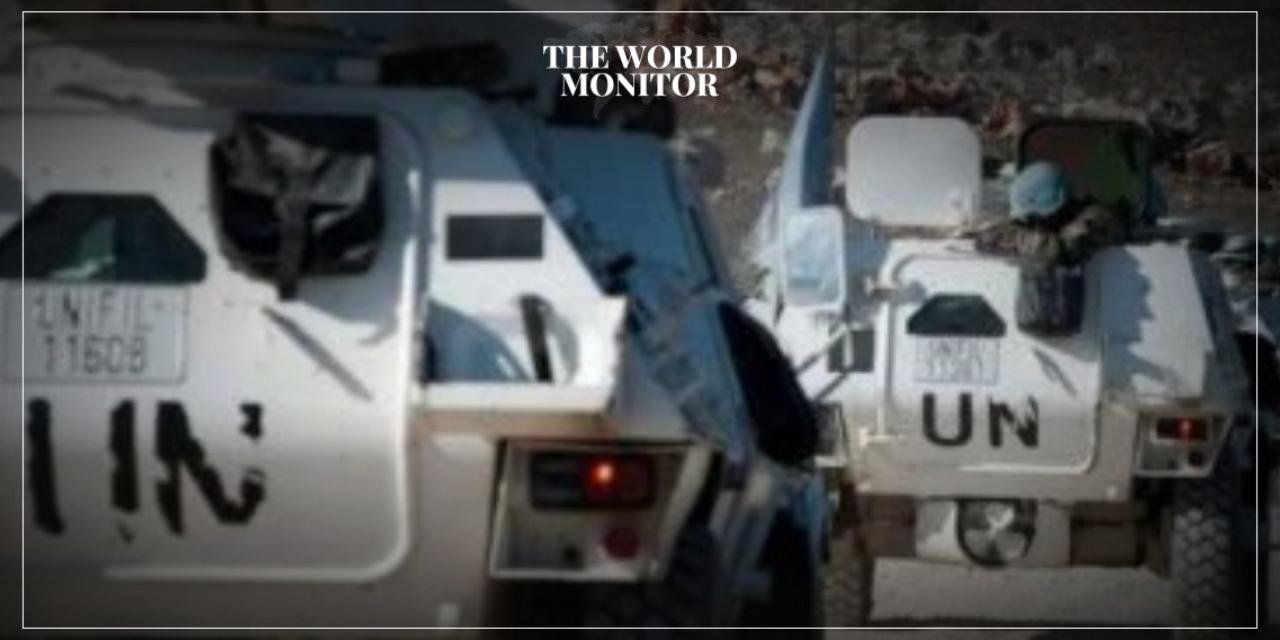
In another context, the Indonesian Ministry of Defense announced the death of two Indonesian Armed Forces soldiers while performing their duties in Lebanon as part of the United Nations Interim Force in Lebanon (UNIFIL). Rico Ricardo Siraat, head of the Defense Information Office, confirmed that the incident occurred while the soldiers were on duty protecting UN forces.
Although specific details about the incident have not yet been disclosed, reports indicate that the soldiers lost their lives while escorting a convoy that was on its way to retrieve the bodies of other UN soldiers.
Background & Context
Historically, Indonesia has participated in international peacekeeping operations, being one of the contributing countries to UN forces. Indonesia has sent its troops to Lebanon since 2006, following the Israeli-Lebanese war, to provide support and assistance in stabilizing the region.
These events come at a critical time for Indonesia, as the country faces multiple economic and political challenges, including rising prices of essential goods and the repercussions of global crises.
Impact & Consequences
The decision not to raise fuel prices may have a positive impact on citizens, especially amid increasing economic crises. Additionally, Indonesia's participation in peacekeeping operations reflects its commitment to contributing to regional and international security and stability.
However, the death of the soldiers may raise questions about the safety of Indonesian forces abroad and could prompt the government to reassess its strategies regarding participation in such missions.
Regional Significance
The ongoing events in Indonesia are directly related to the situation in the Arab region, as Lebanon continues to suffer from political and security instability. Indonesia's involvement in peacekeeping operations may contribute to enhancing Arab-Indonesian cooperation in the fields of security and peace.
In conclusion, Indonesia remains a pivotal country in promoting peace and stability worldwide, and its current stance reflects its commitment to the interests of its people and the international community.