In a significant statement, the Indonesian Minister of Education, Abdurrahman, confirmed that the work from home (WFH) policy is not a response to economic crises but is intended to promote a culture of saving among citizens. This announcement was made during an event held in Pekalongan, where the minister explained that this policy is in line with the directives of the Indonesian president.
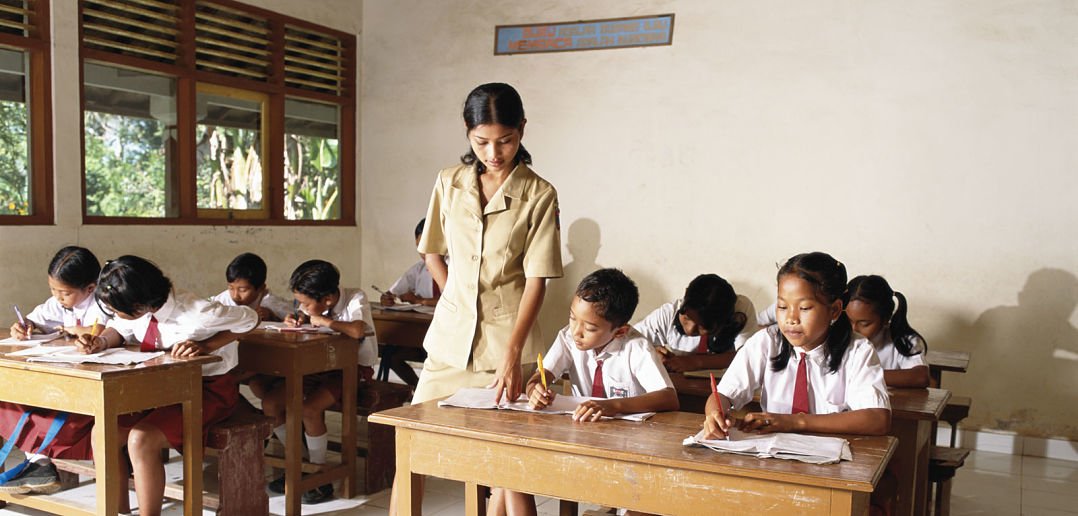
Abdurrahman pointed out that working from home will not affect the educational process in schools, as classes will continue to be held in person. He affirmed that teachers and students will continue to attend schools as usual, reflecting the government's commitment to providing a stable educational environment.
Details of the Announcement
During his speech, the minister clarified that the work from home policy will only apply to government offices, such as the Ministry of Education, on specific days like Fridays. He emphasized the difference between working from home and working from anywhere (WFA), where employees are allowed to work from their homes but must adhere to their job responsibilities.
He also noted that this policy does not imply complete freedom in working; rather, it requires employees to submit regular reports and perform their tasks according to the standards set by the ministry.
Background & Context
These statements come at a time when the world is witnessing significant changes in work models due to the COVID-19 pandemic, with many countries adopting remote work policies as a means to adapt to new circumstances. However, Indonesia seeks to maintain a balance between working from home and physical attendance in schools.
Indonesia is one of the countries that has been significantly affected by the pandemic, prompting the government to take various measures to protect the economy and its citizens. Nevertheless, the focus on a culture of saving reflects the government's vision to enhance long-term economic sustainability.
Impact & Consequences
The implementation of the work from home policy in Indonesia may carry several implications on various levels. On one hand, it could contribute to reducing energy and resource consumption, benefiting the environment. On the other hand, employees may face challenges in adapting to this new model, especially with the need to balance work and personal life.
Moreover, the continuation of in-person education reflects the government's commitment to providing a stable educational environment, which may help enhance the quality of education in the country. However, there must be clear mechanisms in place to ensure the safety of students and teachers amid current health conditions.
Regional Significance
Many Arab countries are moving towards adopting remote work models, especially after the experiences the world has gone through during the pandemic. Indonesia's experience in promoting a culture of saving and working from home could serve as a valuable lesson for Arab countries seeking to balance economic and public health considerations.
In conclusion, Indonesia's current policy reflects the challenges and opportunities faced by countries amid changing global conditions. It is crucial for Arab nations to learn from these experiences to enhance their economic and social sustainability.