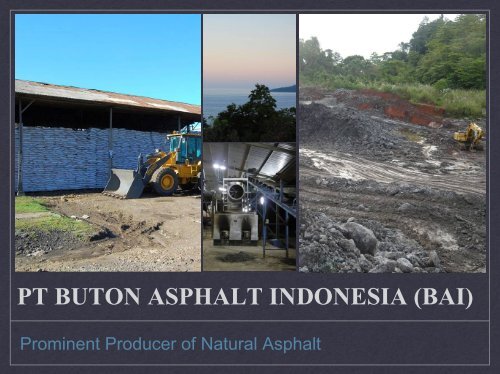
In a move aimed at enhancing economic independence, Indonesian Public Works Minister Dody Hanggodo announced a plan to accelerate the use of local Asbuton asphalt, which will help Indonesia achieve self-sufficiency in asphalt production. This initiative comes at a time when the country is heavily reliant on imports, with Indonesia's asphalt needs reaching approximately 1 million tons annually, expected to rise to 1.5 million tons in the coming years.
During a discussion with the media in Jakarta, Hanggodo pointed out that around 80% of the country's asphalt needs depend on oil imports, making it vulnerable to global price fluctuations. He emphasized that the geopolitical situation in the world, particularly in the Middle East, has contributed to rising energy prices, negatively impacting Indonesia's infrastructure sector.
Event Details
The minister clarified that reliance on imports poses a risk to national development, noting that Indonesia has significant reserves of Asbuton asphalt on Buton Island, yet the exploitation of these resources remains limited. Currently, the usage rate of Asbuton is less than 4% of the country's total needs.
The Ministry of Public Works aims to increase the use of Asbuton in national construction projects to at least 30%. Hanggodo confirmed that this step represents an opportunity for Indonesia to enhance its economic independence.
Background & Context
Historically, Indonesia has relied on imports to meet its basic material needs, including asphalt. With the increasing global economic challenges, it has become essential for the country to seek local solutions to enhance its adaptability to changing conditions. Developing the Asbuton industry could contribute to reducing reliance on imports and enhance the competitiveness of the Indonesian economy.
Indonesia is one of the largest oil-producing countries in Southeast Asia; however, reliance on imports for some basic materials reflects the challenges the country faces in achieving self-sufficiency. Developing a local asphalt industry could contribute to improving the overall economic situation.
Impact & Consequences
The Indonesian government expects that enhancing the use of Asbuton will save approximately 4 trillion rupiah in national currency, in addition to increasing tax revenues by about 2 trillion rupiah. Furthermore, developing this industry could create additional economic value amounting to 23 trillion rupiah.
This step is part of a broader strategy to strengthen local industry and ensure the sustainability of essential materials in infrastructure projects. Improving reliance on local resources can contribute to enhancing economic stability and reducing risks associated with global market fluctuations.
Regional Significance
Indonesia is one of the developing countries striving for economic independence, which could serve as a model for the Arab region. Many Arab countries face similar challenges in relying on imports, especially amid global economic fluctuations. Indonesian experiences could contribute to enhancing economic independence in Arab nations through the development of local industries.
In conclusion, Indonesia's move to enhance the use of Asbuton represents an important step towards achieving self-sufficiency, reflecting the significance of developing local industries in facing global economic challenges.