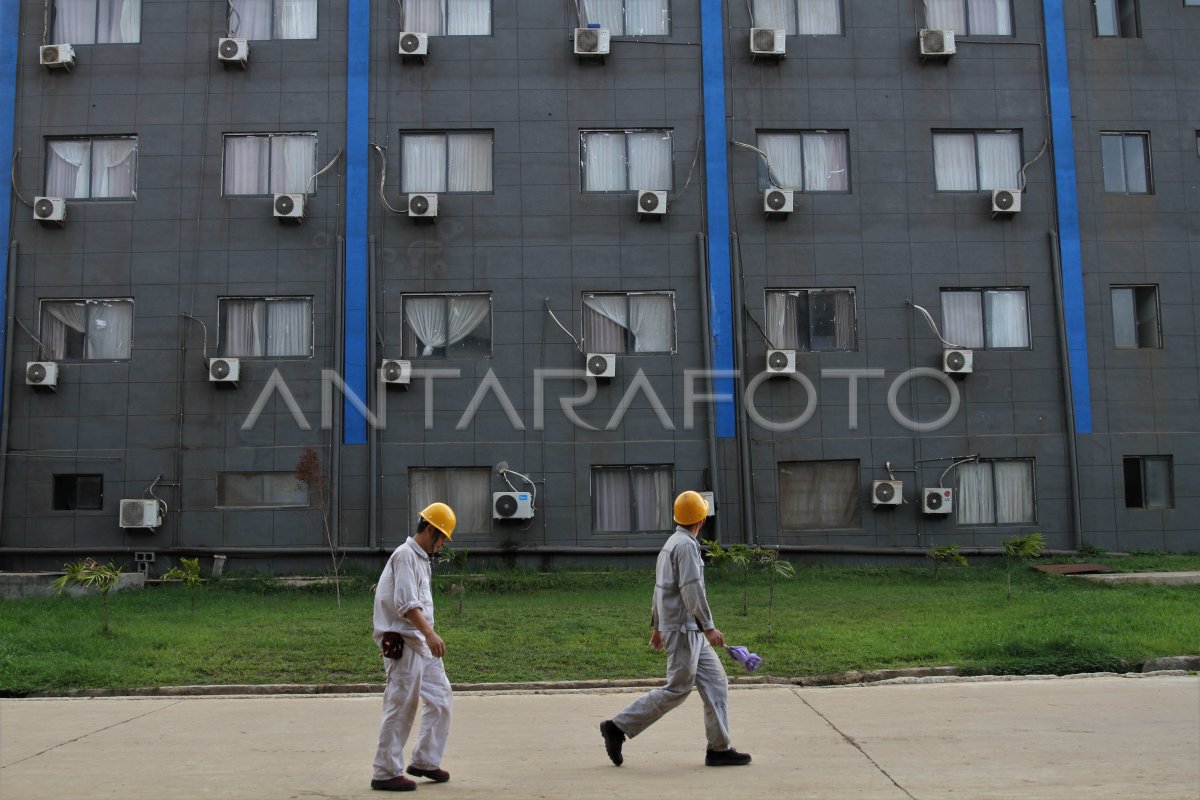
The Indonesian Ministry of Labor (Kemenaker) has announced the enhancement of its measures to control foreign labor (TKA) in the Banten region, as part of its efforts to provide job opportunities for local workers. This announcement comes at a time when Indonesia is witnessing an increase in the number of foreign workers, raising concerns about the impact on the local labor market.
In a statement, Muhammad Rido, coordinator of the department for testing the eligibility and confirming plans for the use of foreign labor in the ministry, emphasized that the employment of foreign workers is subject to strict regulations. These workers are only permitted to be hired for specific jobs and for limited periods, and they must possess the necessary competencies according to job requirements.
Details of the New Regulations
Rido clarified that foreign labor must have education that matches the required job, in addition to at least five years of work experience. He also pointed out that companies are obligated to hire local workers as companions to foreign labor, with the aim of transferring skills and knowledge.
For temporary jobs, permits are granted for a maximum of six months and cannot be extended, such as jobs related to auditing or machinery installation. For positions exceeding six months, the foreign labor utilization plan (RPTKA) can be extended up to two years, with the possibility of renewal provided that foreign workers are registered in the national social security program.
Background & Context
Historically, Indonesia has seen an increasing influx of foreign labor, particularly in industrial sectors. However, the Indonesian government seeks to strike a balance between the need for foreign labor and the protection of local workers. Strengthening laws and regulations regarding foreign labor reflects the government's commitment to providing job opportunities for local workers and boosting the national economy.
The Banten region is one of the special economic zones that the government aims to develop, making control over foreign labor vital to ensure that the local community benefits from these projects.
Impact & Consequences
These measures are considered an important step towards strengthening the local labor market, as the government aims to reduce reliance on foreign labor in vital sectors. These policies are expected to increase job opportunities for local workers and improve living standards in the affected areas.
However, companies may face challenges in implementing these policies, especially if they heavily depend on foreign labor. Therefore, the government must provide support and guidance to help companies adapt to these changes.
Regional Significance
The implementation of these regulations is crucial for the economic development of the Banten region, as it seeks to attract investments while ensuring that local workers are prioritized. The government's approach aims to create a sustainable labor market that benefits both local communities and foreign investors.
In conclusion, the new measures by the Indonesian Ministry of Labor signify a proactive approach to safeguarding local employment while managing foreign labor effectively. This balance is essential for fostering a robust economy that supports local workers.