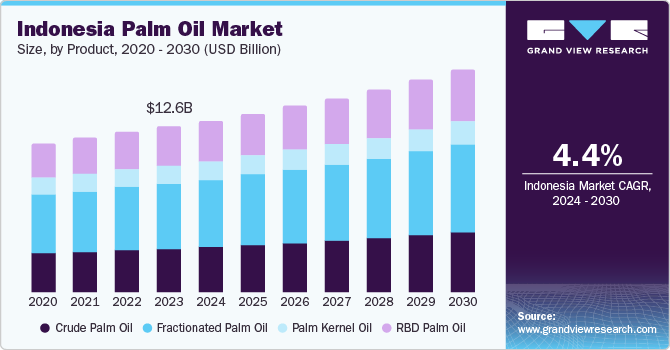
The Indonesian Ministry of Agriculture has confirmed that developing the palm oil industry (CPO) is a key strategy for boosting the national economy and achieving energy independence. As the largest producer of palm oil in the world, Indonesia aims to shift its exports from raw materials to value-added products, which contributes to improving the living standards of farmers.
In a statement, the head of the Communications and Information Office at the ministry, Moch Arif Kahyun, stated that Indonesia controls over 60% of the global palm oil production, giving it a strategic position to control the value chain in this industry by enhancing the industrial sector.
Event Details
Kahyun clarified that Indonesia should not remain merely a source of raw materials but must transform into a major producer of high-value-added products required in global markets. He noted that processing palm oil into a variety of products such as margarine, cosmetics, soap, biochemicals, and bioenergy will enhance the national economy's capacity and increase the competitiveness of the local industry.
He added that Indonesia, thanks to its control over more than 60% of the global palm oil market, possesses significant power in determining supply trends and prices of palm oil-derived products worldwide.
Background & Context
Historically, Indonesia has heavily relied on exporting palm oil as a raw product, making it vulnerable to global price fluctuations. With the increasing demand for alternative energy, the Indonesian government has begun restructuring its strategies to enhance value-added production through the development of manufacturing industries.
Kahyun also pointed out the importance of developing bioenergy, as the use of biodiesel fuel derived from palm oil can help reduce dependence on imports of conventional diesel. Thus, Indonesia can achieve self-sufficiency in the energy sector.
Impact & Consequences
This strategy is considered an important step towards enhancing Indonesia's economic independence, as it could lead to reduced reliance on imports, increased national revenues, and improved living standards for farmers. Additionally, developing the palm oil industry could create new job opportunities and boost economic growth in rural areas.
Moreover, enhancing the value of palm oil-derived products could significantly improve the economic situation of farmers, as the value of value-added products can reach up to 30 times compared to exporting crude palm oil.
Regional Significance
Indonesia is one of the largest suppliers of palm oil in the world, making it an important partner for Arab countries that rely on this material in various industries. This strategy could enhance economic cooperation between Indonesia and Arab countries, where the latter could benefit from high-value-added products.
In conclusion, the development of the palm oil industry in Indonesia represents a strategic step towards achieving economic independence and enhancing competitiveness in global markets, opening new avenues for cooperation between Indonesia and Arab countries in various fields.