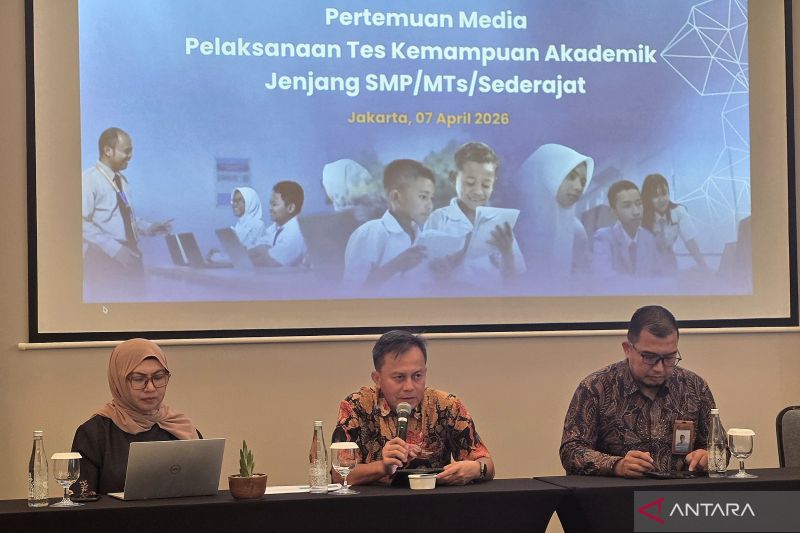
The Indonesian Ministry of Basic and Secondary Education (Kemendikdasmen) has announced its readiness to provide several necessary facilities to support the implementation of student tests, in a move aimed at enhancing the quality of education in the country. This initiative comes at a critical time as the Indonesian educational system seeks to improve students' academic performance and provide a conducive learning environment.
The facilities that the ministry will offer include a range of measures designed to facilitate the testing process, including improving school infrastructure and providing necessary resources for students. The ministry will also organize training workshops for teachers to ensure adequate support for students during the testing period.
Details of the Initiative
This step aligns with the Indonesian government's vision to improve the quality of education and enhance students' chances of success. The ministry has confirmed that providing a suitable environment for testing is a fundamental part of its strategy to achieve educational goals. The new facilities are expected to include modern educational tools, in addition to improving school facilities.
The ministry will collaborate with local authorities to ensure the effective implementation of these facilities. Officials have indicated that this move reflects the government's commitment to improving the educational system and meeting students' needs.
Background & Context
Historically, Indonesia has faced significant challenges in the education sector, with recurring criticisms regarding the quality of education and students' academic achievement. These criticisms have prompted the government to take serious steps to reform the educational system, including increasing the budget allocated to education and developing curricula.
In recent years, the government has begun to focus on the importance of education as a means to achieve sustainable development. Numerous initiatives have been launched to improve education in remote areas, reflecting the government's commitment to providing equal educational opportunities for all students.
Impact & Consequences
This initiative by the Ministry of Education is seen as a positive step towards improving the quality of education in Indonesia. The new facilities are expected to enhance students' performance in tests, which will positively reflect on educational levels in the country.
Moreover, improving the educational environment may help reduce the educational gap between urban and rural areas, thereby enhancing students' chances of success across the nation. This is crucial for achieving sustainable development and strengthening the national economy.
Regional Significance
Indonesia's experience in improving education can be considered a model for Arab countries. Many Arab nations face similar challenges in the education sector, necessitating serious steps to enhance educational quality and provide a suitable environment for students.
Strengthening education in Arab countries is a priority for achieving sustainable development, and Arab governments should learn from successful experiences like Indonesia's to develop their educational systems.
In conclusion, the efforts of the Indonesian Ministry of Education to provide the necessary facilities for testing reflect the government's commitment to improving educational quality. This is an important step towards achieving the country's educational goals.