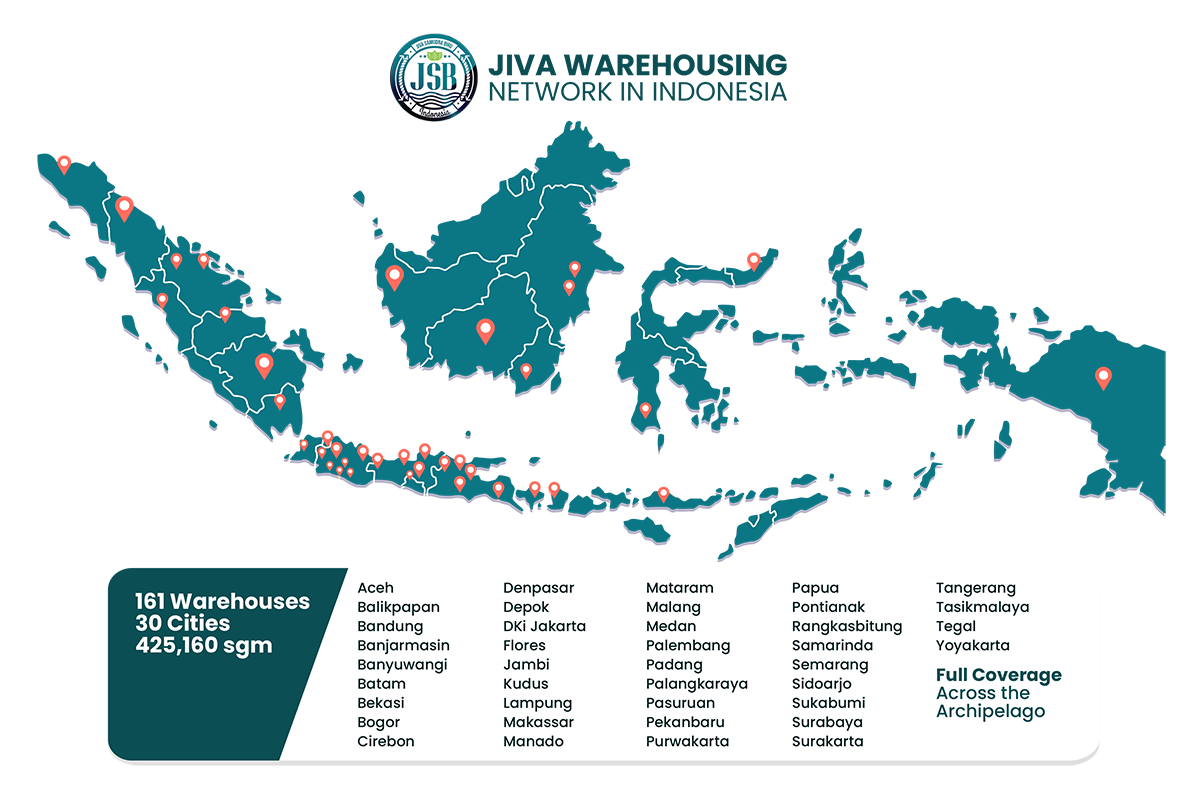
Indonesian company Bulog, responsible for managing food reserves, has announced plans to establish 11 new warehouses in several regions of Indonesia. This project aims to enhance storage capacity and improve food distribution throughout the country. The announcement was made by Fahrurazi, head of Bulog's office in South and West Sulawesi, during a press conference last Saturday.
Fahrurazi explained that the project is still in the feasibility study phase, with soil tests being conducted to determine the suitability of the proposed locations. The new warehouses are expected to accommodate approximately 1,000 tons of food supplies, contributing to strengthening the country's food security.
Details of the Initiative
This step comes at a time when Indonesia is facing increasing challenges in food security, necessitating improvements in storage and distribution. The proposed locations have been carefully selected to ensure the project meets its objectives, including enhancing access to food supplies in remote areas.
This initiative is part of a broader strategy aimed at bolstering Indonesia's capacity to address potential food crises, particularly in light of climate change and global economic challenges.
Background & Context
Historically, Indonesia has struggled with food reserve management, heavily relying on imports to meet its needs. With a growing population, it has become essential to enhance local production and improve the storage system.
In recent years, the Indonesian government has taken significant steps to improve food security, including increasing support for local farmers and enhancing storage infrastructure. The establishment of new warehouses is a crucial step in this direction.
Impact & Consequences
This project is expected to improve Indonesia's response to food crises, enhancing its ability to provide essential food supplies to citizens. It will also help reduce reliance on imports, thereby strengthening the country's food independence.
Moreover, improving the storage and distribution system could lead to a reduction in food waste, contributing to sustainable development and enhancing long-term food security.
Regional Significance
Indonesia is one of the largest Islamic countries in the world, and this project reflects the importance of food security in developing nations. Arab countries can benefit from Indonesian experiences in enhancing their food reserves, especially given the challenges facing the region in this area.
In light of recurring crises, it is essential for Arab nations to strengthen their food strategies, and Indonesia may serve as a model in this context.