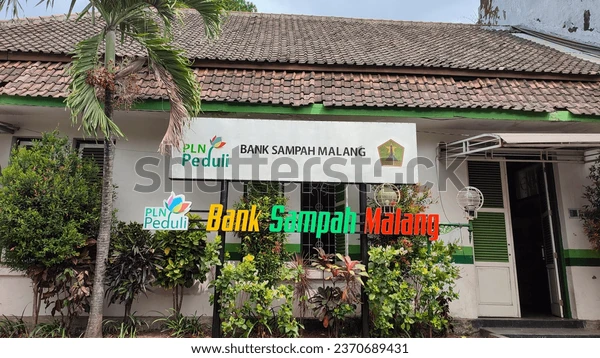
In a move reflecting Indonesia's commitment to improving waste management, Environment Minister Hanif Faisal Norvik praised the efforts made by the mayors of the regions of Surabaya and Malang. This came during the minister's visit to the two areas, where he emphasized the importance of these efforts in promoting environmental sustainability in East Java.
The minister explained that Surabaya and Malang serve as exemplary models in waste management, noting that these areas have made significant progress in reducing waste and improving waste management systems. He also called for intensifying these efforts to include other regions in Indonesia, where the country faces substantial challenges in this field.
Details of the Event
During the visit, the minister inspected several waste management facilities in Surabaya, where he learned about the technologies used in sorting and processing waste. He expressed admiration for the innovations implemented in these facilities, which have contributed to reducing the amount of waste sent to landfills.
A workshop was also organized with the participation of representatives from local government and civil society, where ideas and experiences were exchanged on how to improve waste management. The minister stressed the importance of cooperation between the government and the community to achieve better results in this area.
Background & Context
The issue of waste management is one of the major challenges facing Indonesia, as the country experiences a continuous increase in the amount of waste generated due to population growth and urban expansion. According to reports, Indonesia produces approximately 68 million tons of waste annually, placing significant pressure on the waste management system.
In recent years, the Indonesian government has begun taking serious steps to address this problem, including encouraging the use of modern technologies in waste management and raising environmental awareness among citizens. Many local initiatives have been launched aimed at reducing waste and promoting recycling.
Impact & Consequences
The efforts of Surabaya and Malang in waste management serve as a model for other regions in Indonesia. If these practices are generalized, it could lead to significant improvements in the local environment and a reduction in pollution. Additionally, these efforts could contribute to enhancing eco-tourism, as clean and sustainable areas are attractive destinations for tourists.
Furthermore, improving waste management can create new job opportunities in areas such as recycling and waste management, thereby contributing to strengthening the local economy. Consequently, the success of these initiatives could have a positive impact nationwide.
Regional Significance
Many Arab countries face similar challenges in waste management, suffering from an increase in waste generated due to population growth and urban expansion. The experiences of Indonesia in Surabaya and Malang can serve as an inspiration for Arab countries to adopt effective waste management strategies.
By enhancing cooperation between governments and civil society, Arab countries can improve their waste management systems and reduce environmental impact. Moreover, focusing on environmental sustainability can contribute to achieving sustainable development goals in the region.