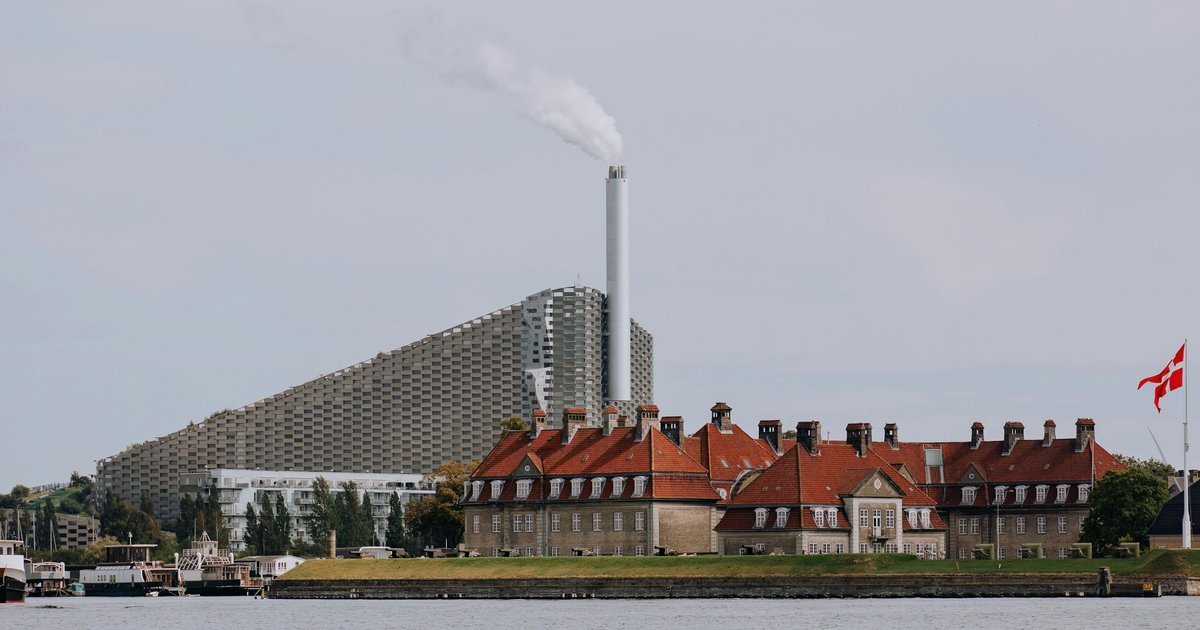
The Indonesian government has initiated a comprehensive evaluation of the waste-to-energy plant (PLTSa) located in the Putri Cempo area of Solo. This evaluation aims to improve the efficiency of the plant and ensure the sustainability of the energy it produces, as part of the government's strategy to enhance the use of renewable energy and reduce reliance on fossil fuels.
The Putri Cempo plant is considered one of the pioneering projects in Indonesia, representing a significant step towards achieving sustainable development goals. The plant was commissioned in 2020 and works by converting waste into electrical energy, contributing to reducing environmental pollution and promoting the use of clean energy sources.
Details of the Evaluation Process
The evaluation process comes three years after the plant began operations, as the government seeks to assess its success in achieving the specified goals. Officials from the Ministry of Environment and Marine Affairs indicated that the evaluation will include a review of the technical and financial performance of the plant, as well as its impact on the environment and the local community.
The plant processes approximately 500 tons of waste daily, which helps reduce the amount of waste sent to landfills. It also contributes to producing around 10 megawatts of electrical energy, sufficient to meet the needs of about 10,000 households. This project reflects Indonesia's commitment to achieving its renewable energy goals.
Background & Context
Indonesia is one of the largest waste-producing countries in Southeast Asia, facing significant challenges in waste management. In recent years, the government has begun taking serious steps to improve waste management and promote the use of renewable energy. The Putri Cempo plant is part of these efforts, aiming to turn waste into a source of energy rather than a burden on the environment.
These efforts coincide with the global trend towards using clean energy sources, as many countries strive to reduce carbon emissions and achieve the goals of the Paris Climate Agreement. Indonesia is a signatory to this agreement, making it essential for the country to take effective steps towards achieving its environmental objectives.
Impact & Consequences
The evaluation of the Putri Cempo plant's performance is expected to have a significant impact on the future of renewable energy projects in Indonesia. If the plant proves successful, it may encourage the government to invest in similar projects in other regions of the country. It could also serve as a model for other countries facing similar challenges in waste and energy management.
Moreover, the success of the plant could help raise public awareness about the importance of waste management and the use of renewable energy. By promoting these concepts, the government can contribute to changing community behaviors towards greater sustainability.
Regional Significance
Many Arab countries face similar challenges in waste and energy management. Renewable energy projects are a crucial part of sustainable development strategies in the region, as Arab nations seek to reduce reliance on fossil fuels. Indonesia's experience with the Putri Cempo plant could serve as an inspiration for Arab countries to develop similar projects, contributing to their environmental and developmental goals.
In conclusion, the evaluation of the waste-to-energy plant in Solo represents an important step towards enhancing environmental sustainability in Indonesia. By improving waste management and utilizing renewable energy, the government can contribute to building a more sustainable future for generations to come.