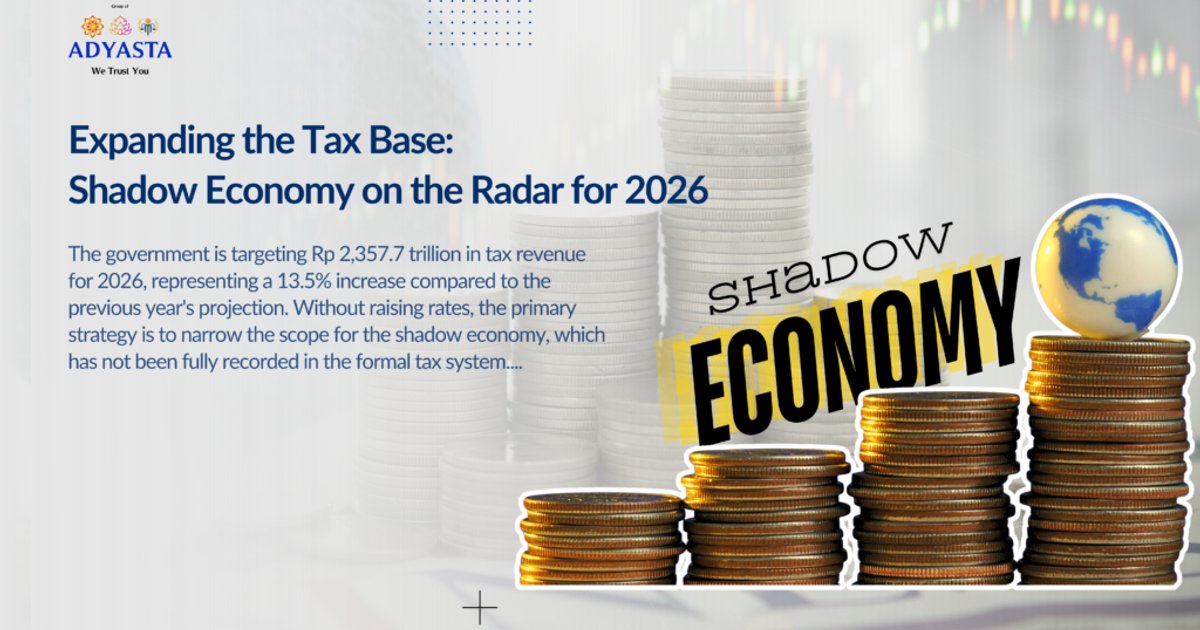
In an effort to confront rising economic challenges, the Indonesian Deputy Minister of Finance, Juda Agung, emphasized the importance of expanding the tax base as a primary strategy for the year 2026. This announcement was made during a seminar titled "A Look at Economic Prospects for 2026 and Strategies for Securing Government Revenues" held in Jakarta.
Agung stressed the need for a well-considered fiscal policy to address current global conditions, where geopolitical tensions contribute to increased risks related to commodity prices and exchange rate fluctuations.
Details of the Strategy
Agung clarified that managing financial revenues is essential to ensure funding for increased expenditures, particularly for fuel subsidies. The government has outlined four main pillars for managing national revenues, which include structurally enhancing the revenue base and improving the utilization of new economic potentials.
He also highlighted the importance of closing revenue gaps without burdening compliant taxpayers.
Background & Context
Historically, Indonesia has faced numerous economic challenges, ranging from financial crises in the 1990s to the impacts of the COVID-19 pandemic. The government aims to bolster economic stability through effective fiscal policies, with expanding the tax base seen as a necessary step to increase government revenues.
Impact & Consequences
Expanding the tax base could enhance the state's financial situation, enabling the government to increase spending on public services and infrastructure. However, this must be done cautiously to avoid overburdening citizens, necessitating a balance between revenues and economic growth.
Regional Significance
The implications of this strategy extend beyond Indonesia, as a stronger tax base could lead to improved regional economic stability. By increasing government revenues, Indonesia can invest more in development projects that benefit the broader Southeast Asian region.
In conclusion, the expansion of the tax base is a critical component of Indonesia's strategy to navigate economic uncertainties and foster sustainable growth.