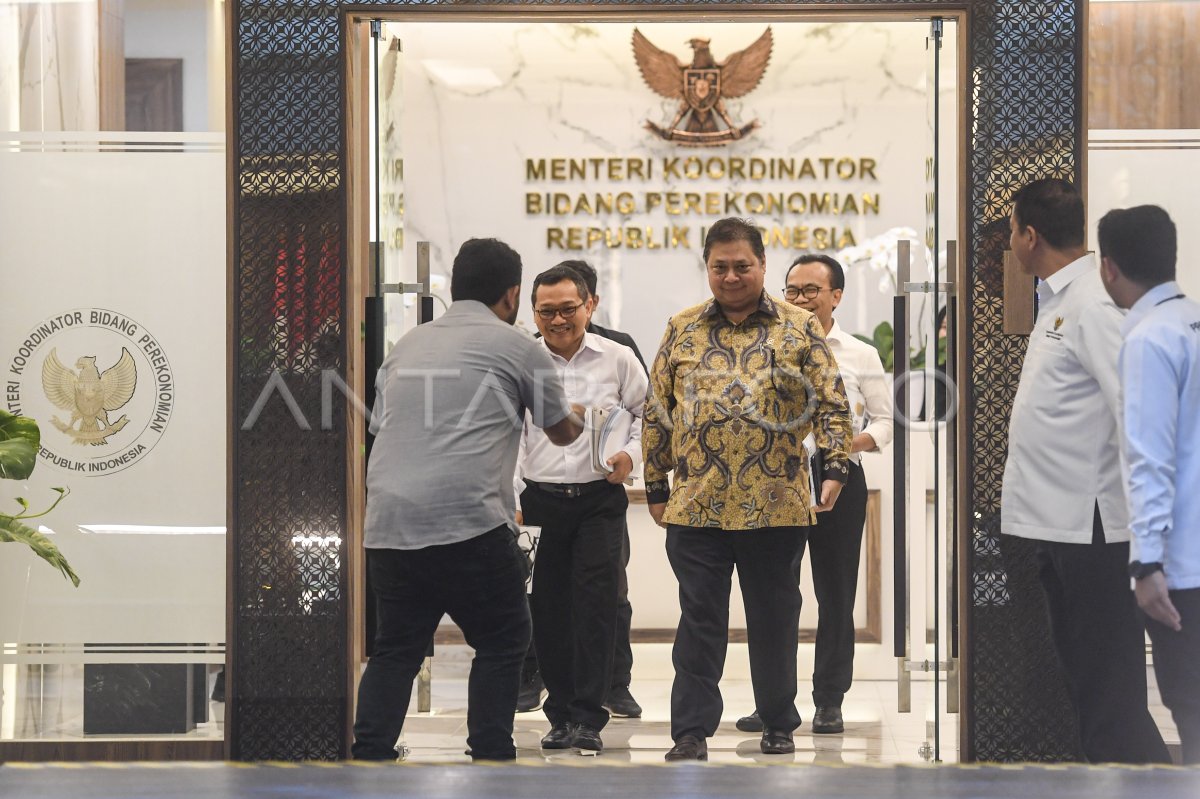
In light of the volatile global economic conditions, Indonesia's central bank governor, Perry Warjiyo, revealed three major challenges that necessitate an urgent response to enhance economic growth in the country. This announcement was made during a press conference at the central bank's headquarters in Jakarta, where he emphasized the importance of boosting investor confidence, increasing consumption and investment, and ensuring effective policy implementation.
Warjiyo pointed out that the first challenge is to restore the confidence of businessmen and investors by providing the necessary financing for priority national projects. He stressed the importance of achieving a dynamic economic stability by supporting projects that enhance growth.
Details of the Economic Challenges
Regarding the second challenge, Warjiyo highlighted the significance of enhancing local consumption and increasing investments, as these are key drivers of economic growth. He explained that the government is working to implement its priority programs supported by available financing capabilities.
As for the third challenge, Warjiyo affirmed the necessity of ensuring effective implementation of economic policies at the level of companies, banks, and society. He clarified that the current global conditions, including geopolitical conflicts, negatively affect the economy, necessitating an immediate and effective response.
Background & Context
Historically, Indonesia has undergone significant economic transformations, having previously relied on agriculture but gradually shifting towards an industrial economy. However, global economic challenges, such as rising oil prices and pressures on capital flows, are placing additional strains on the Indonesian economy.
The need for a comprehensive response to these challenges is evident, as they threaten the stability and growth of the economy. The government and private sector must work collaboratively to navigate these turbulent times.
Impact & Consequences
The challenges facing Indonesia require a comprehensive response from both the government and the private sector. Enhancing investor confidence can lead to increased investments, contributing to job creation and stimulating economic growth. Additionally, boosting local consumption can help support the economy during periods of recession.
Failure to address these challenges effectively may result in a slowdown in economic growth and financial stability issues. Therefore, it is crucial for all stakeholders to engage in proactive measures to mitigate these risks.
Regional Significance
These economic challenges are not only critical for Indonesia but also have implications for the broader Southeast Asian region. As one of the largest economies in the region, Indonesia's economic health directly impacts its neighbors and regional trade dynamics.
In conclusion, the Indonesian government and private sector must prioritize addressing these challenges to ensure sustainable economic growth and stability in an ever-changing global landscape.