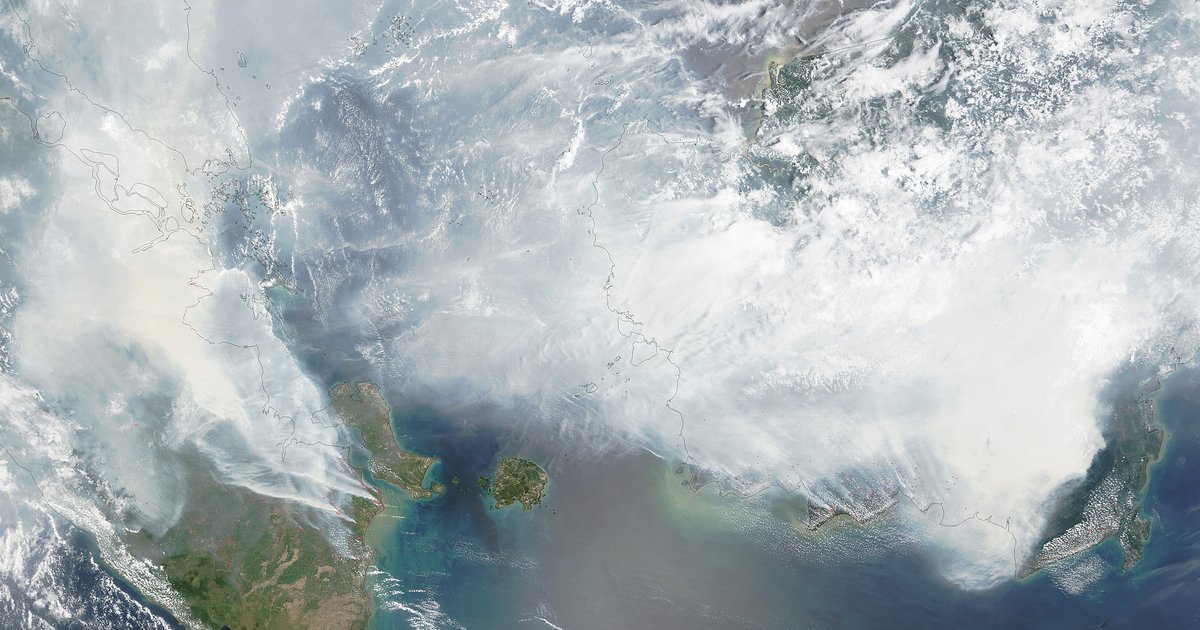
Indonesia, particularly Central Java, is facing real threats from the El Niño phenomenon, which may lead to prolonged drought. With rainfall continuing at the end of March 2026, this time appears to be the last opportunity to prepare for the anticipated drought. Forecasts indicate that the dry season will begin in May 2026, placing significant pressure on farmers and decision-makers.
In areas such as Banimas and Silacap, the skies remain cloudy and the ground moist, but warnings of the impending drought are increasing. The current situation requires farmers to take swift action to ensure agricultural sustainability, as the expected drought may last between 140 to 180 days, significantly affecting crops.
Event Details
The National Meteorology and Climatology Agency of Indonesia reported that the drought in 2026 will be more severe than in previous years, due to the effects of the El Niño phenomenon that has begun to manifest in the Pacific region. The drought is expected to commence in various regions of Central Java at different times, with forecasts indicating that some areas will enter drought conditions as early as May.
The agency anticipates that the drought will persist until August 2026, raising concerns about food security in the country. Tajuh Wardoyo, head of the agency's task force, confirmed that this year's drought will be below normal, meaning that the amount of rainfall will be less than usual.
Background & Context
Historically, the El Niño phenomenon has significantly impacted the climate in Indonesia, leading to sharp weather fluctuations. Last year, some areas in Central Java experienced heavy rainfall throughout the year, resulting in good agricultural conditions. However, this year, forecasts indicate a significant shift in climate patterns, placing farmers in a difficult position.
Indonesia is one of the largest food-producing countries in Southeast Asia, and any negative impacts on agriculture could lead to food supply shortages, increasing food prices and affecting the most vulnerable segments of society.
Impact & Consequences
The Indonesian government expects the anticipated drought to have negative effects on agricultural production, which could threaten food security in the country. With a heavy reliance on agriculture as a primary source of livelihood, any crop shortages could lead to increased poverty and hunger in rural areas.
Moreover, the drought could impact the Indonesian economy as a whole, given that agriculture constitutes a significant portion of the gross domestic product. Therefore, the government needs to take urgent measures to ensure water supply for farmers and enhance agricultural sustainability.
Regional Significance
While Indonesia suffers from the effects of the El Niño phenomenon, Arab countries are not far from the impacts of climate change. Many Arab nations are facing water shortages and drought, threatening food security in the region. Cooperation between Arab countries and Indonesia in agriculture and water management may be essential to address these challenges.
In conclusion, the current situation in Indonesia requires global awareness of the importance of addressing climate change and its impacts on food security. Governments and farmers must work together to ensure agricultural sustainability under changing conditions.