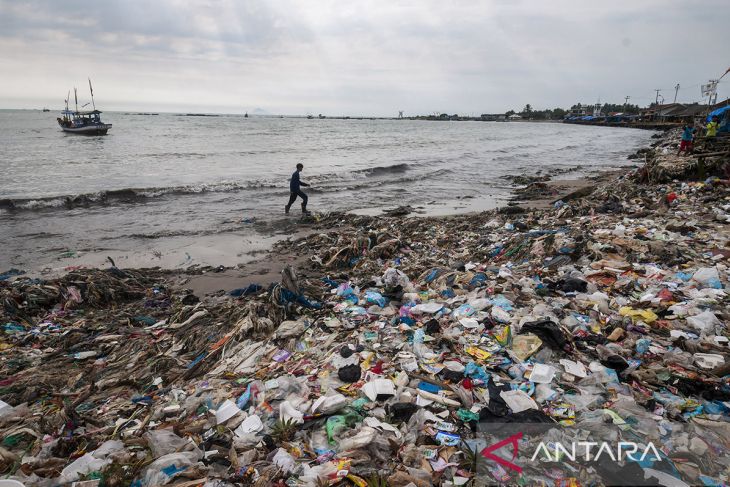
In a candid acknowledgment, Indonesian Environment Minister Hanif Faisal Norwick admitted the significant challenges his country faces in addressing marine waste. This statement was made during his remarks in Makassar, where he noted that the vast maritime areas in Indonesia and the high costs of processing make it difficult to control this issue.
The minister explained that marine waste is largely a result of terrestrial waste that reaches the oceans due to insufficient processing in urban areas. He confirmed that only about 25% of waste is processed at the national level, while 60% is disposed of in landfills, meaning that 40% of waste is still being dumped into the environment.
Details of the Current Situation
As part of government efforts, Norwick pointed out that the Indonesian president has set an ambitious goal of processing all terrestrial waste by 2029. However, the progress made so far is still far from this target, with 75% of waste needing processing in the next three years.
The minister also emphasized that addressing marine waste is a shared responsibility between the central and local governments, stressing that this issue cannot be solely placed on local authorities such as provincial governors or mayors. He indicated that the ministry will take decisive steps, similar to those implemented on Bali, where marine waste is being managed in an organized manner.
Background & Context
Indonesia is considered one of the largest island nations in the world, making it susceptible to marine waste issues. According to environmental reports, Indonesia ranks high among countries contributing to ocean pollution with plastic waste. This problem requires an urgent response from the government and civil society.
Despite increasing efforts to address this issue, challenges remain. Rapid population growth and increased consumption exacerbate the waste problem, necessitating effective strategies to tackle this environmental crisis.
Impact & Consequences
The marine waste problem significantly affects the marine environment and natural resources. Pollution from waste impacts marine life, threatening biodiversity and affecting the livelihoods of coastal communities that rely on fishing. Additionally, ocean pollution can adversely affect tourism, a vital sector for the Indonesian economy.
The government is expected to take stricter measures in the coming years, including raising public awareness and enhancing recycling programs. There is also an urgent need for international cooperation in this area, as marine waste does not recognize national borders.
Regional Significance
Although Indonesia is far from the Arab world, the marine waste issue is a global concern affecting all countries. Arab nations, especially those with coastlines like Egypt and Lebanon, face similar challenges in addressing marine waste. Regional and international cooperation in this field can contribute to the exchange of experiences and the implementation of effective solutions.
In conclusion, solving the marine waste problem in Indonesia requires integrated efforts from all stakeholders, including the government and civil society. The challenges are significant, but the hope for achieving tangible progress remains.