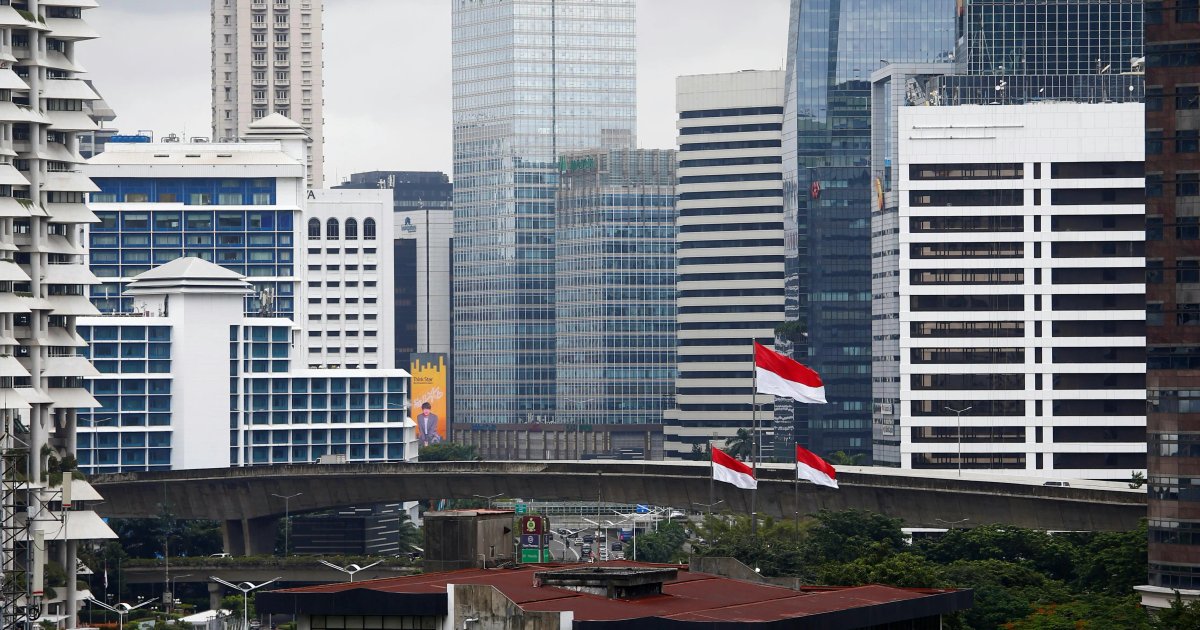
Indonesia is grappling with increasing economic challenges due to global disruptions, particularly as oil prices reach record levels, putting additional pressure on the domestic economy. Since the end of February 2026, tensions between Iran, Israel, and the United States have escalated, significantly impacting the stability of global markets.
Under these circumstances, crude oil prices have surged, with the price of Brent crude nearing $120 per barrel, leading to a depreciation of the Indonesian rupiah to 16,900 rupiah against the US dollar. These figures are not just statistics; they reflect the fragility of the Indonesian economy, which was once thought to be stable.
Details of the Situation
The Indonesian government is seeking to address these challenges by taking proactive measures, such as implementing a work-from-home (WFH) policy for government employees, reducing travel costs, and redirecting government spending. Additionally, a program for free nutritious meals has been enhanced to five days a week, indicating that the government is beginning to adopt more effective strategies in risk management.
However, these steps are only the beginning, as the government must confront larger challenges if global pressures persist for an extended period. The most pressing question now is whether the current policies are sufficient to maintain the stability of the public budget, control inflation rates, and sustain market confidence.
Background & Context
Indonesia entered 2026 in a tight financial situation, suffering from a significant reliance on energy imports. This dependency makes it vulnerable to external shocks, especially amid rising oil prices. Historically, Indonesia has relied on its natural resources, but with the increasing global demand for energy, it has become more susceptible to market fluctuations.
This crisis serves as a wake-up call regarding the need to enhance Indonesia's energy independence, as the continuity of these crises could exacerbate economic and social conditions.
Impact & Consequences
Studies conducted by the GREAT Institute indicate that future scenarios could range from maintaining the fiscal deficit at 3.25 to 3.55 percent of GDP, assuming oil prices stabilize between $93 and $97. However, if prices rise to between $105 and $120, the fiscal deficit could widen to 4.30 percent.
These figures reflect the increasing pressure on the public budget, necessitating an effective and swift political response. The government must be able to rearrange spending priorities and enhance the efficiency of government programs.
Regional Significance
Indonesia is one of the largest economies in Southeast Asia, and any disruption in its economy could affect regional markets. Additionally, rising oil prices may impact Arab countries that rely on oil exports, potentially leading to changes in economic policies in the region.
Ultimately, the current situation requires Arab countries to closely monitor developments in Indonesia, as an effective response to these challenges could serve as a model for addressing global economic crises.