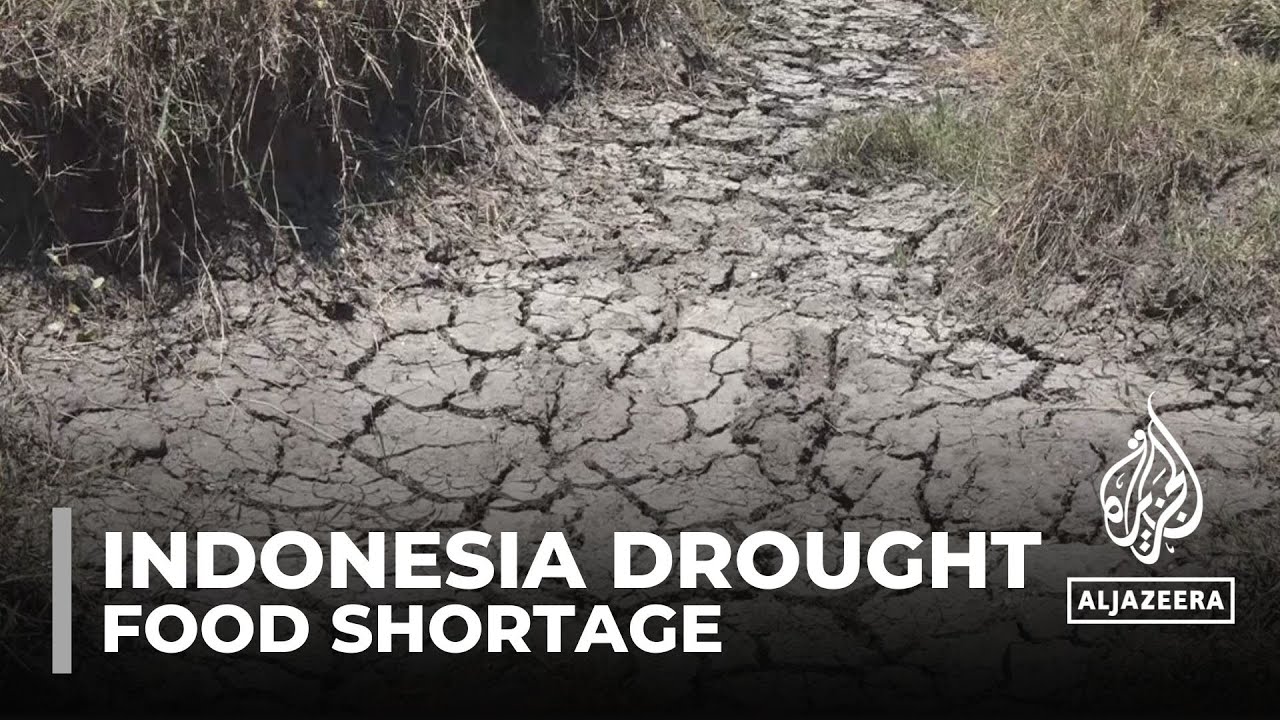
Indonesia is entering a new phase of food challenges as drought conditions worsen. Studies indicate that the effects of El Niño will lead to longer dry spells, negatively impacting agricultural production. Under these circumstances, discussions about food security are no longer limited to production alone; they now also require the ability to adapt to water crises.
Data from Indonesia's National Research and Innovation Agency shows that the country is facing climate pressures affecting agriculture, as the national diet heavily relies on importing staple foods. For instance, Indonesia imports about 10-11 million tons of wheat annually, making it one of the largest wheat importers in the world.
Details of the Situation
Concerns about food security in Indonesia are growing as drought continues, directly affecting crop production. With an increasing reliance on imported products, the food system becomes more fragile. In this context, there is an urgent need to diversify food sources, with sorghum emerging as a promising option. Sorghum is known for its ability to grow in dry conditions, making it suitable for addressing climate challenges.
Although sorghum is not new to some regions of Indonesia, it has seen a decline in recent years due to the dominance of rice and increased consumption of wheat-based products. As drought intensifies, sorghum may become a crucial part of the food security strategy.
Background & Context
Historically, Indonesia has relied heavily on rice as a primary food source, leading to agricultural policies focusing on stabilizing rice production. However, this focus has made the food system more vulnerable to shocks, especially under changing climatic conditions. Additionally, the rising consumption of wheat-based products, such as pasta and bread, has increased reliance on imports.
These dynamics are part of larger challenges facing Indonesia, where the need to diversify agricultural crops and adapt to changing climatic conditions requires new and innovative strategies.
Impact & Consequences
Experts emphasize that the increasing reliance on imported products, coupled with worsening drought, could exacerbate the food security crisis in Indonesia. Under these circumstances, it is essential to adopt new strategies that include cultivating more drought-resistant crops like sorghum. This shift is not merely an option but a necessity for survival in the face of climate challenges.
Furthermore, enhancing diversity in the food system can contribute to improving the overall nutrition of the population. Sorghum, for example, is high in fiber and protein, making it a healthy dietary choice.
Regional Significance
Many Arab countries are also facing similar food security challenges due to climate change and drought. Indonesia's experience in promoting agricultural diversity and adopting new crops like sorghum could serve as a model. In light of changing climatic conditions, cooperation between Arab countries and Indonesia in the field of food security is essential to address common challenges.
In conclusion, the current situation in Indonesia requires a swift and effective response from the government, farmers, and society as a whole. Promoting agricultural diversity and adapting to climate changes may be key to ensuring food security in the future.