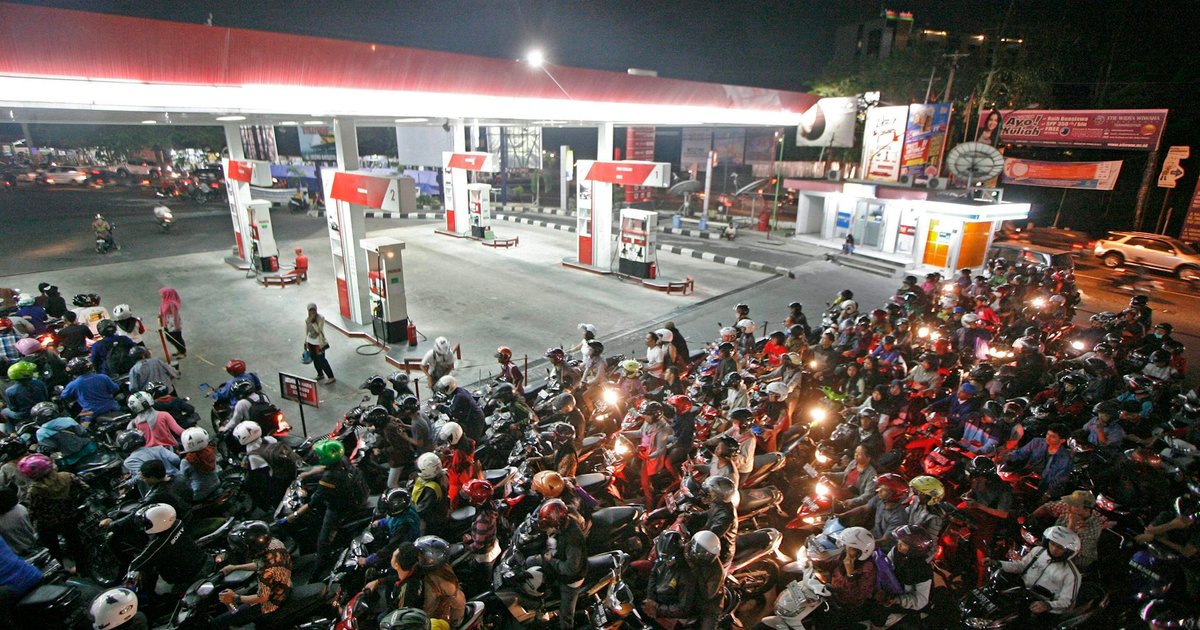
The Indonesian government, under the leadership of Minister of Economy Airlangga Hartarto, has declared its decision to freeze subsidized fuel prices until the end of 2026. This decision reflects the government's commitment to alleviate the economic burdens on citizens amid volatile global conditions.
During a press conference, Hartarto emphasized that the government aims to provide fuel at reasonable prices, highlighting the significance of this decision in supporting the populace.
Details of the Announcement
In light of economic challenges, including rising global energy prices, this announcement underscores the importance of government support for subsidized fuel. Finance Minister Berbaya Yudi Sadyo noted that the government will monitor markets to ensure that no unjustified price increases occur.
Indonesia is one of the largest fuel consumers in Southeast Asia, with many citizens relying on subsidized fuel for their daily lives. This decision comes at a sensitive time as the government seeks to balance citizen support with maintaining the country's financial stability.
Background & Context
Historically, Indonesia has seen attempts to adjust subsidized fuel prices, often facing public opposition. In 2014, a price increase led to widespread protests, prompting the government to be more cautious in making decisions regarding fuel prices.
Impact & Consequences
The government's decision to freeze subsidized fuel prices is expected to positively impact the Indonesian economy in the short term, as it will help ease the burden on citizens and boost local consumption. However, there are concerns that continued support may lead to an increased budget deficit if resources are not managed effectively.
Regional Significance
This decision is crucial not only for Indonesia but also for the broader Southeast Asian region, where fuel prices significantly affect economic stability and consumer behavior. By maintaining subsidized fuel prices, Indonesia aims to set a precedent for other nations facing similar economic pressures.
In conclusion, the Indonesian government's commitment to freezing subsidized fuel prices until 2026 reflects its dedication to supporting its citizens and achieving economic stability amid challenging global conditions.