The Indonesian Ministry of Migration and Reforms (Kemenimipas) has announced a new policy aimed at conserving fuel and supporting the government's efforts to rationalize energy consumption. This policy will come into effect starting in April 2026, with the head of the ministry's data and information center, M. Akbar Hadi Prabowo, confirming that Minister Agus Andrianto will implement this policy in line with government directives.
The new measures include working from home for one day a week, with exceptions for offices providing public services. The policy will also involve reducing official travel and celebratory activities, promoting the use of digital platforms in office management, and improving the efficiency of electricity, water, and air conditioning use in offices.
Details of the Policy Implementation
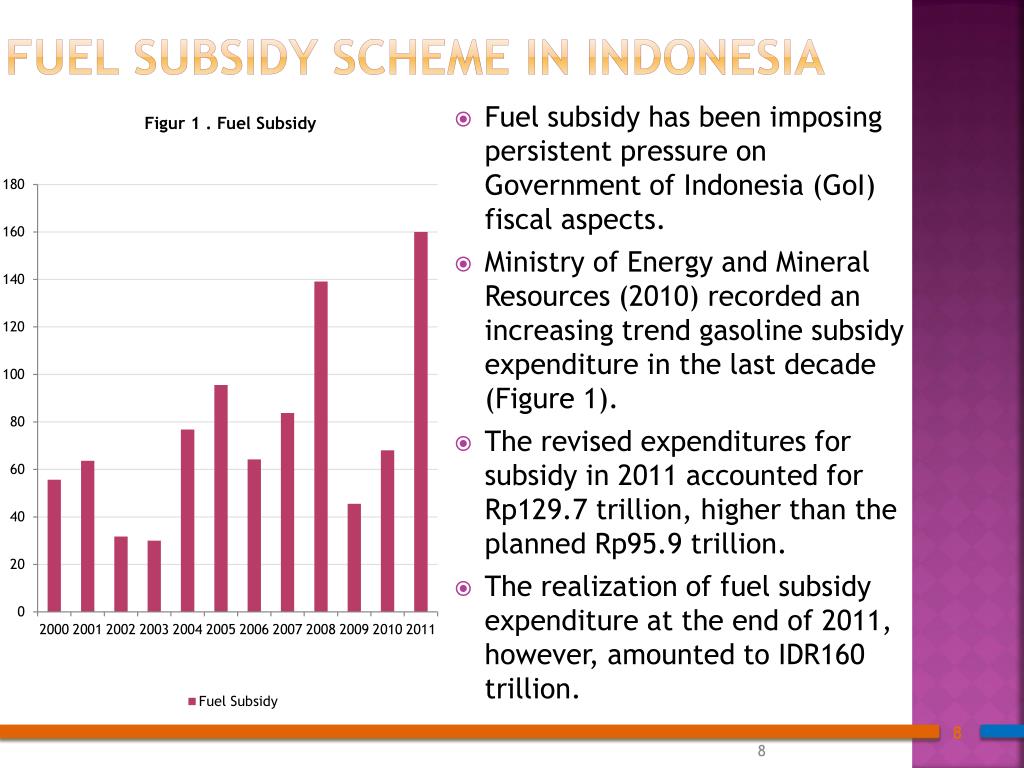
Akbar stated that these steps aim to alleviate financial burdens on the state budget and significantly reduce fuel consumption. He also noted that the ministry will conduct regular assessments to evaluate the impact of these measures on energy consumption.
Previously, the ministry had initiated a work-from-anywhere policy following the Eid al-Fitr holiday in March 2026, with the period from March 25 to 27 designated for implementing this policy.
Background & Context
These steps come as part of the Indonesian government's efforts to address the economic and environmental challenges facing the country. The government aims to reduce reliance on fossil fuels and promote the use of renewable energy sources. These policies represent a part of a broader strategy aimed at achieving environmental sustainability and improving resource efficiency.
Historically, Indonesia has undergone significant changes in its economic and environmental policies, especially in light of global challenges related to climate change and rising energy prices. These challenges have necessitated a reevaluation of government strategies in managing natural resources.
Impact & Consequences
These new policies are expected to positively impact the Indonesian economy by reducing government expenditures and increasing resource efficiency. They may also contribute to improving air quality and reducing harmful emissions, thereby enhancing public health.
Furthermore, these policies could encourage innovation in renewable energy and digital technology sectors, opening new avenues for economic growth in the country.
Regional Significance
These policies serve as a model that Arab countries facing similar energy challenges can benefit from. Arab nations heavily reliant on fossil fuels can draw inspiration from Indonesia's experience in rationalizing energy consumption and enhancing the use of renewable energy sources.
In conclusion, the fuel conservation policy announced by Indonesia represents an important step towards achieving environmental and economic sustainability. These measures are expected to inspire other countries in the region and around the world.